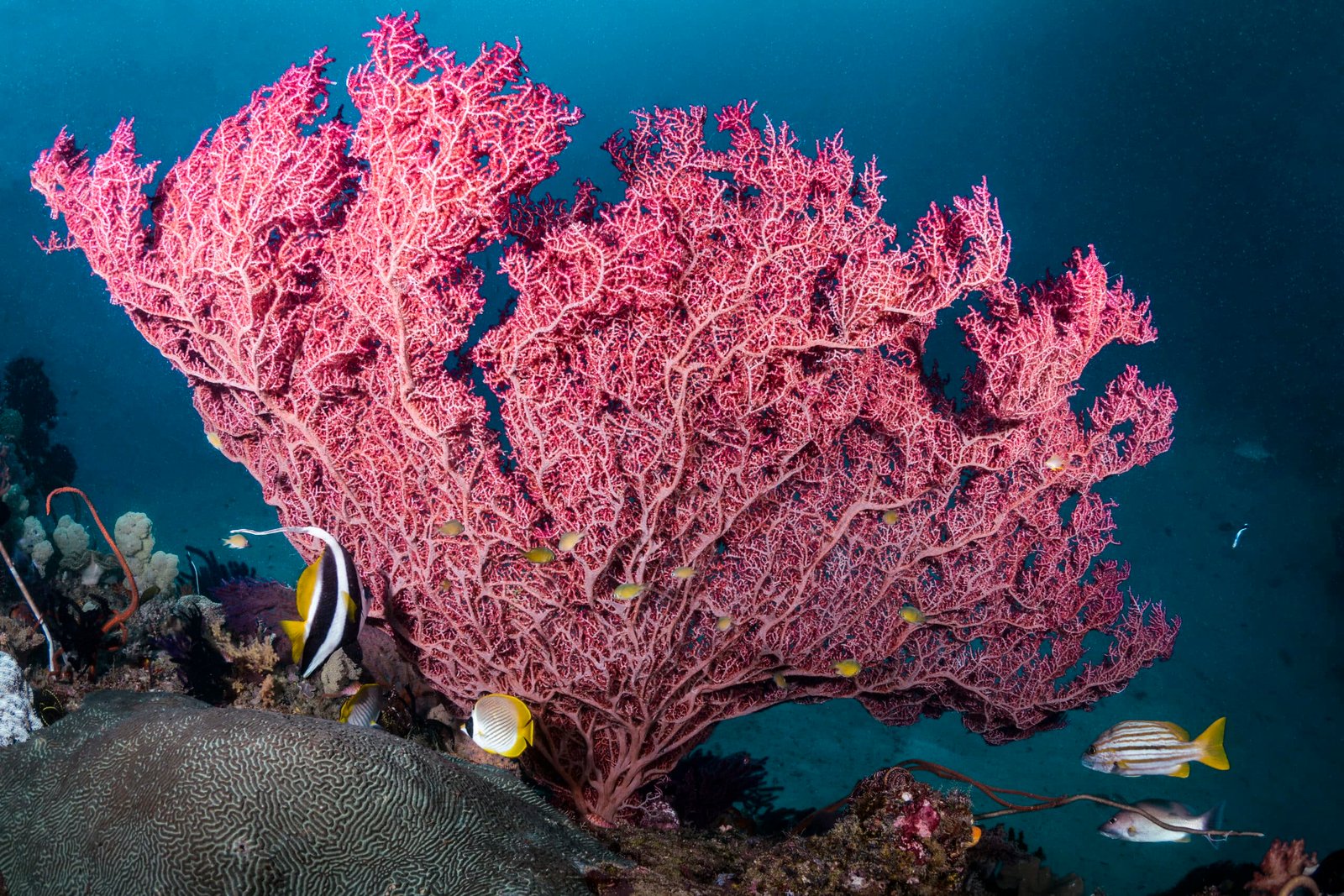
Knitting has always been linked to nature. Fishermen’s sweaters carried wave and net motifs; Sámi traditions included reindeer and mountain symbols; Icelandic patterns mirror volcanic landscapes. Today, these stories merge with wildlife conservation — from coral-inspired lacework to whale-fin cables. Practical tip: Try adapting a traditional motif into a wildlife-inspired variation. For example, transform a classic diamond cable into a sea turtle shell, or use stranded colorwork to depict migrating birds.

Social Media Knitting

#Knittok has passed 2 billion views. Imagine if the next viral pattern carried a wildlife story.

The Red Beanie

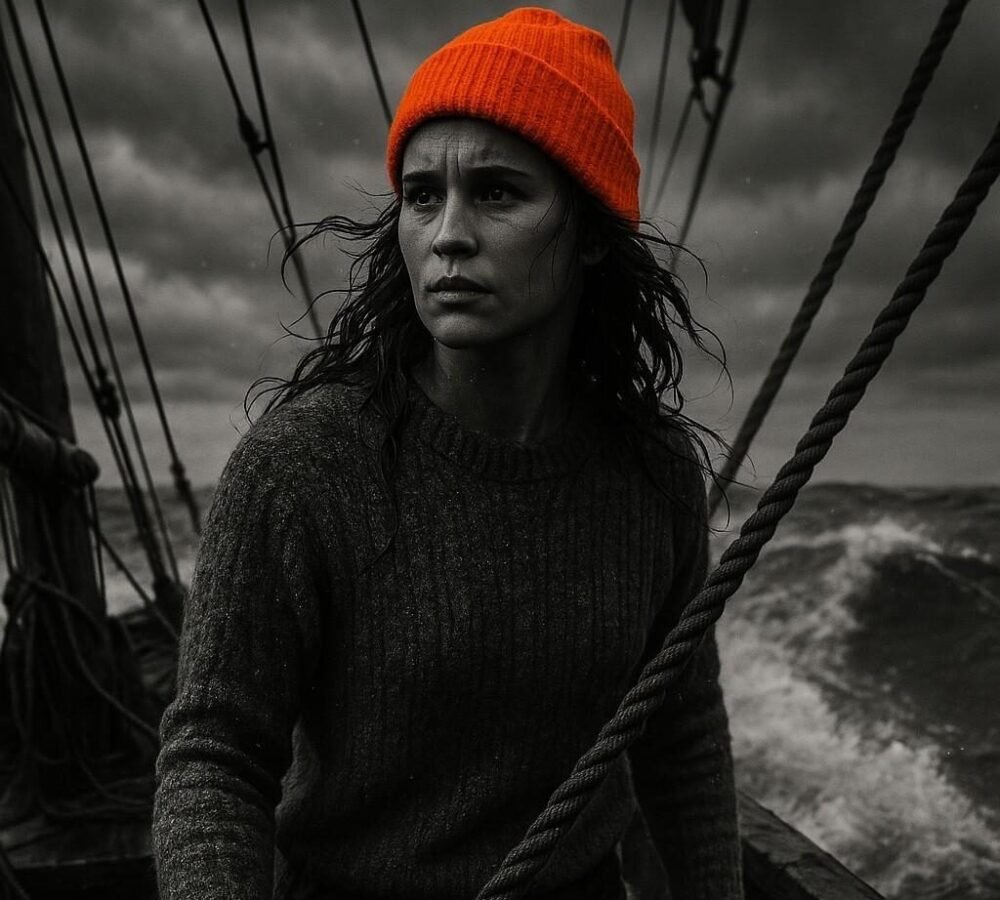
First made famous by Jacques Cousteau, later revived in Wes Anderson’s The Life Aquatic with Steve Zissou, the red knit hat has become a global symbol of ocean exploration. One simple piece of knitwear turned into a cultural icon.
WEAR AND SHARE

THE PATTERN LIBRARY
Causes as knitwear.

When wildlife science is translated into compelling design, it leaves the research papers and enters everyday life. Think of knitwear as a cultural vehicle. A way to embed critical environmental realities directly onto the streets, into cafés, and across communities. By wearing and sharing these pieces, we put vital wildlife causes into the spotlight.

Below is our evolving archive of open-access and exclusive community patterns.

The Design Strategy

We transform critical wildlife stories, habitats, and environmental realities into wearable design. Some patterns are deeply symbolic, while others are subtle, but every piece is built to be a direct conversation starter that brings a cause out into the world.

Open-Access & Inclusivity

To mobilize the widest possible community interest, we make our baseline cohort patterns accessible to all. Anyone can knit them, share them, and become a visible advocate for wildlife conservation.

Exclusive Member Perks

Our advanced signature designs are released as exclusive thank-you tokens for our supporting members and funding partners, directly sustaining the growth of our initiative.

Breaking Barriers to Eco-Literacy

Open-Access Pattern Library

We believe that knowledge and conservation shouldn't be locked behind a paywall. They are literacy tools. When someone asks about your finished knitwear, you share the story of a species.

Launched mid July:

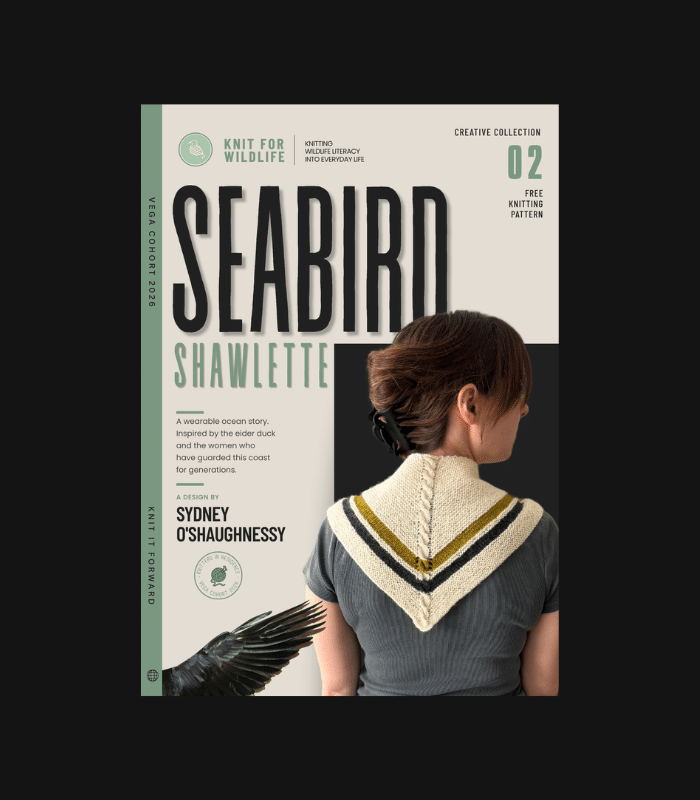
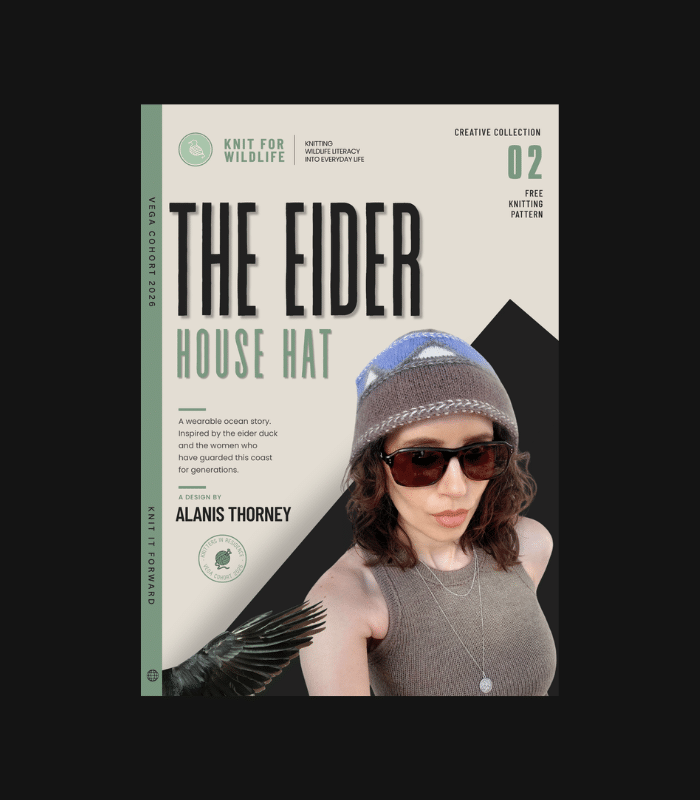
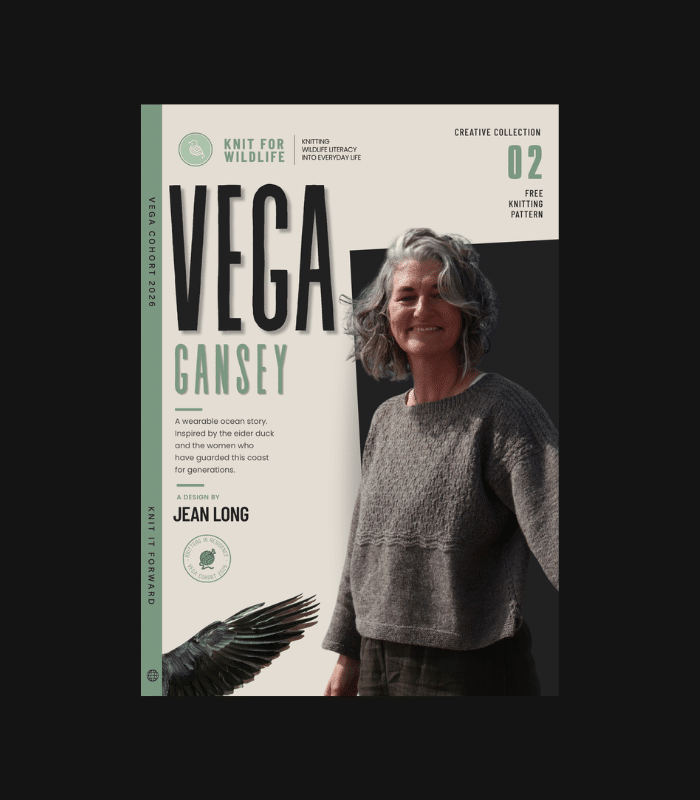
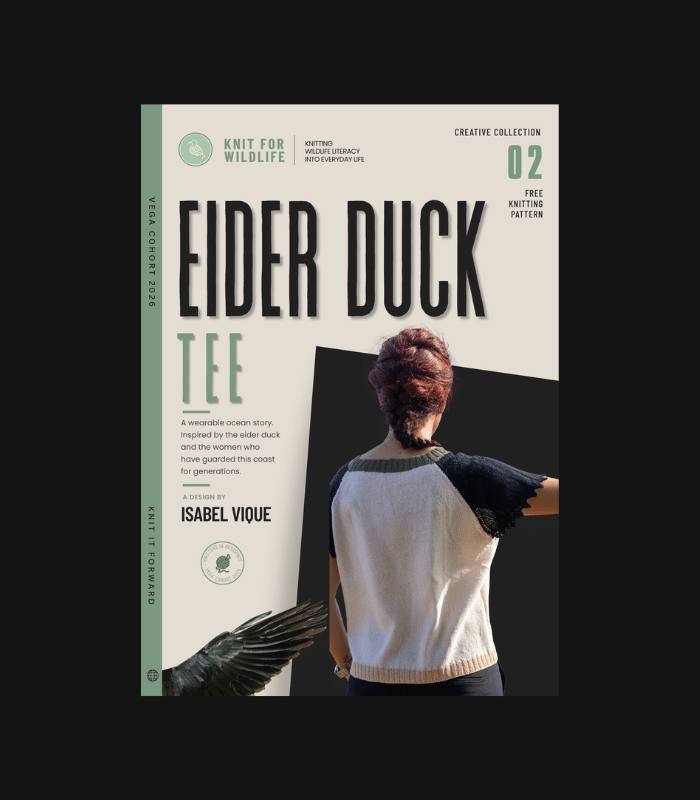
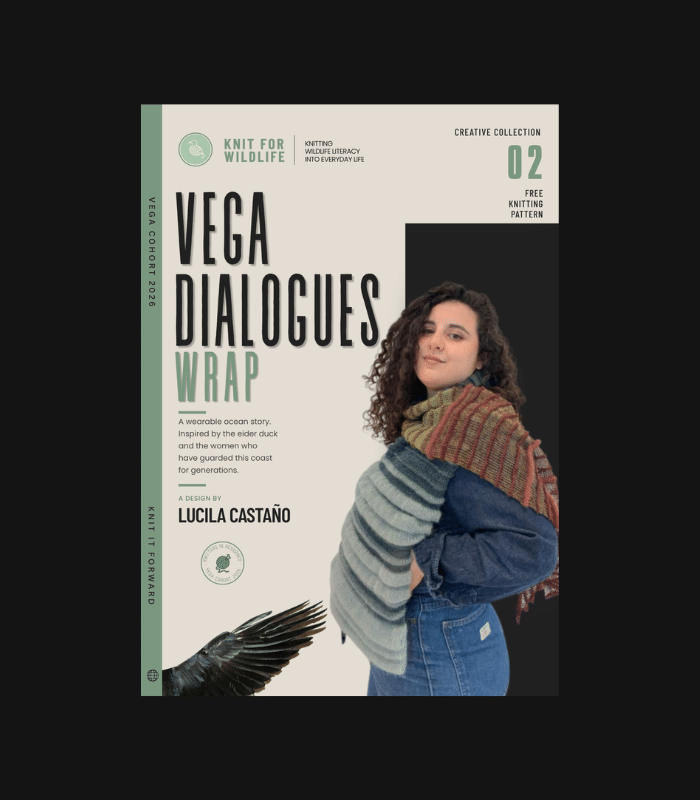
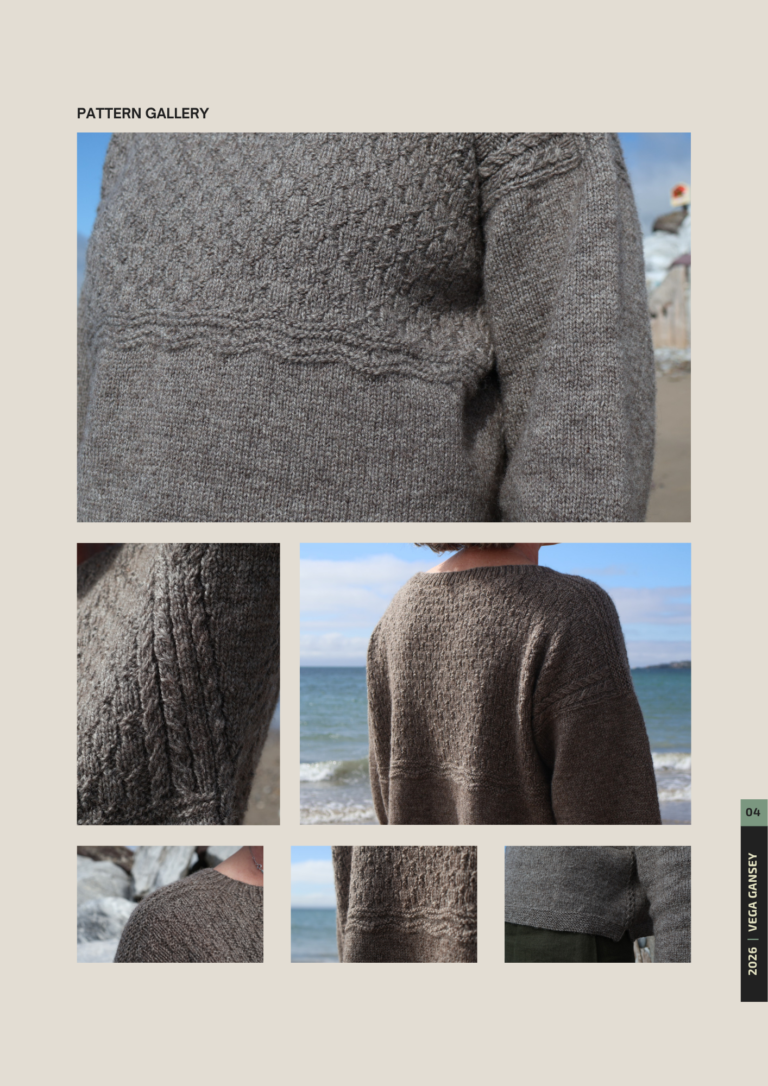
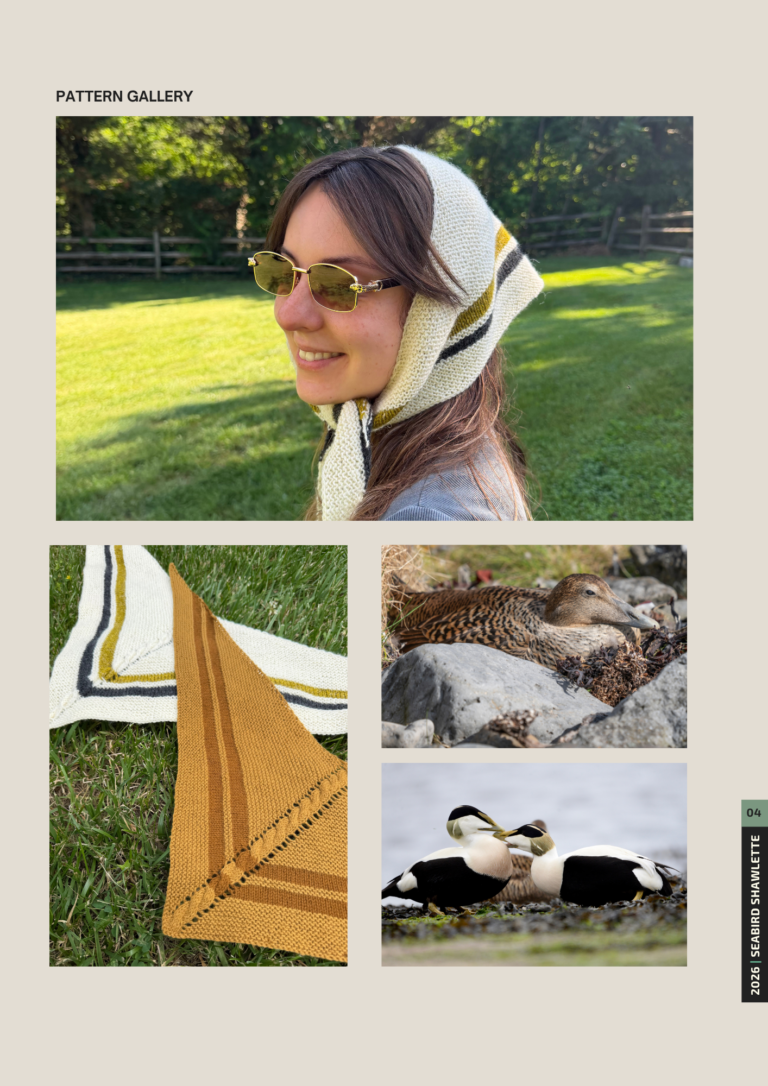
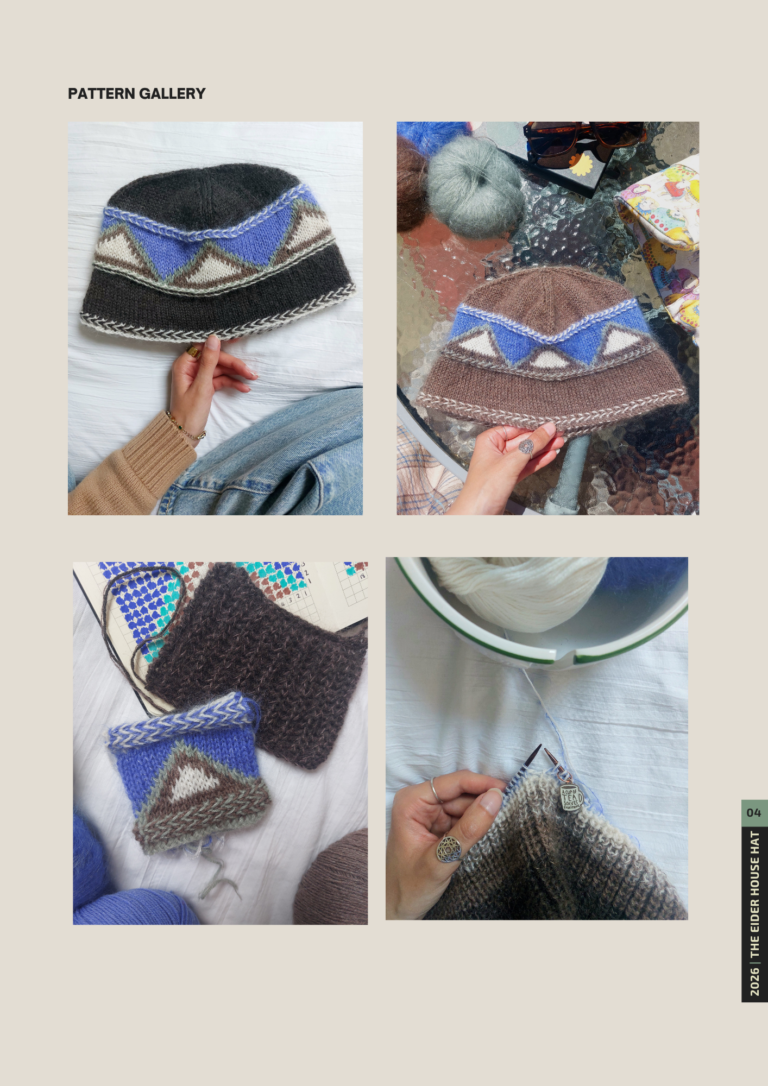
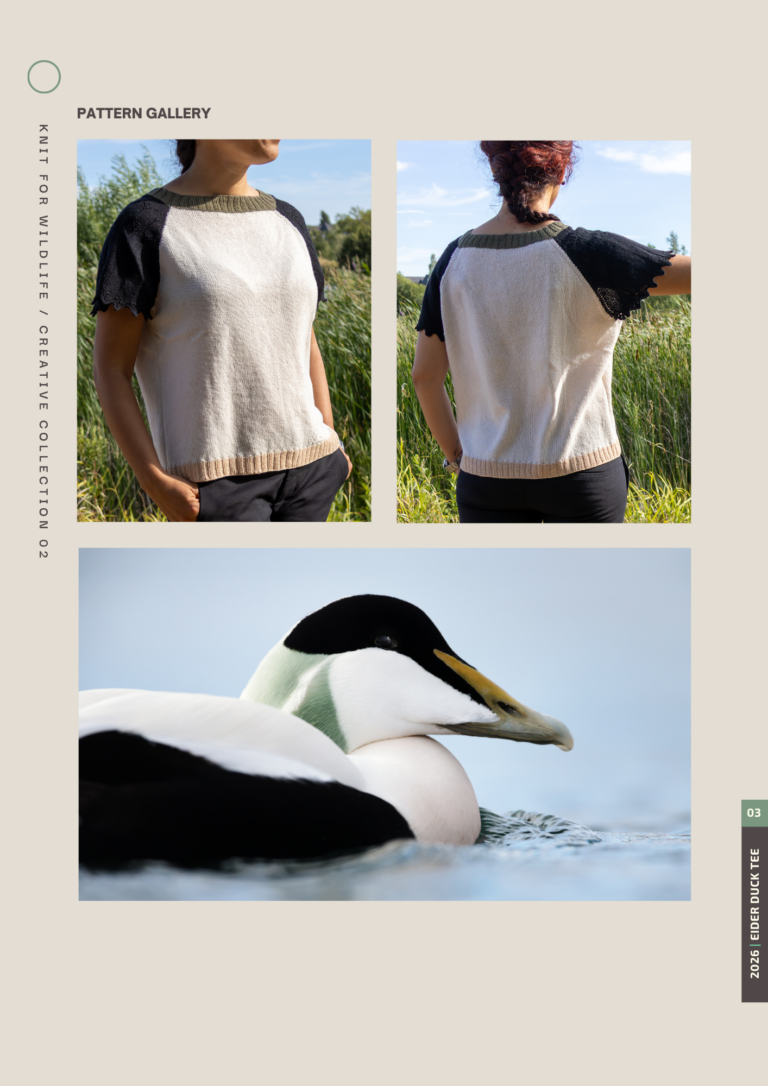
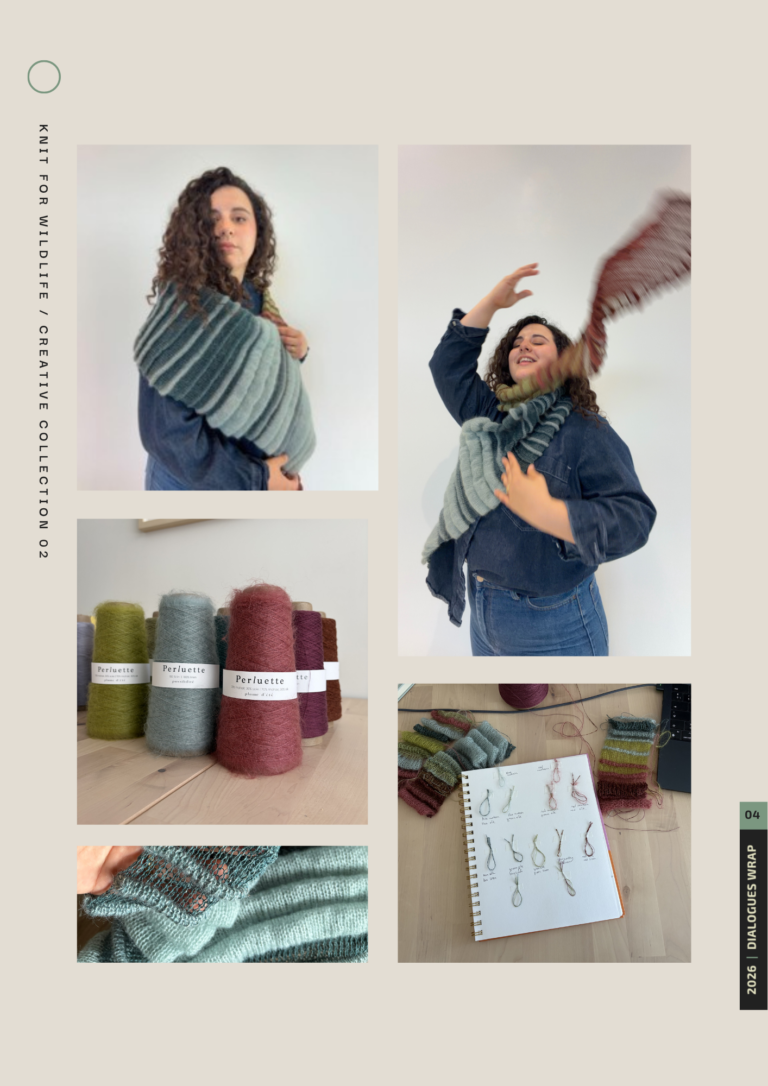
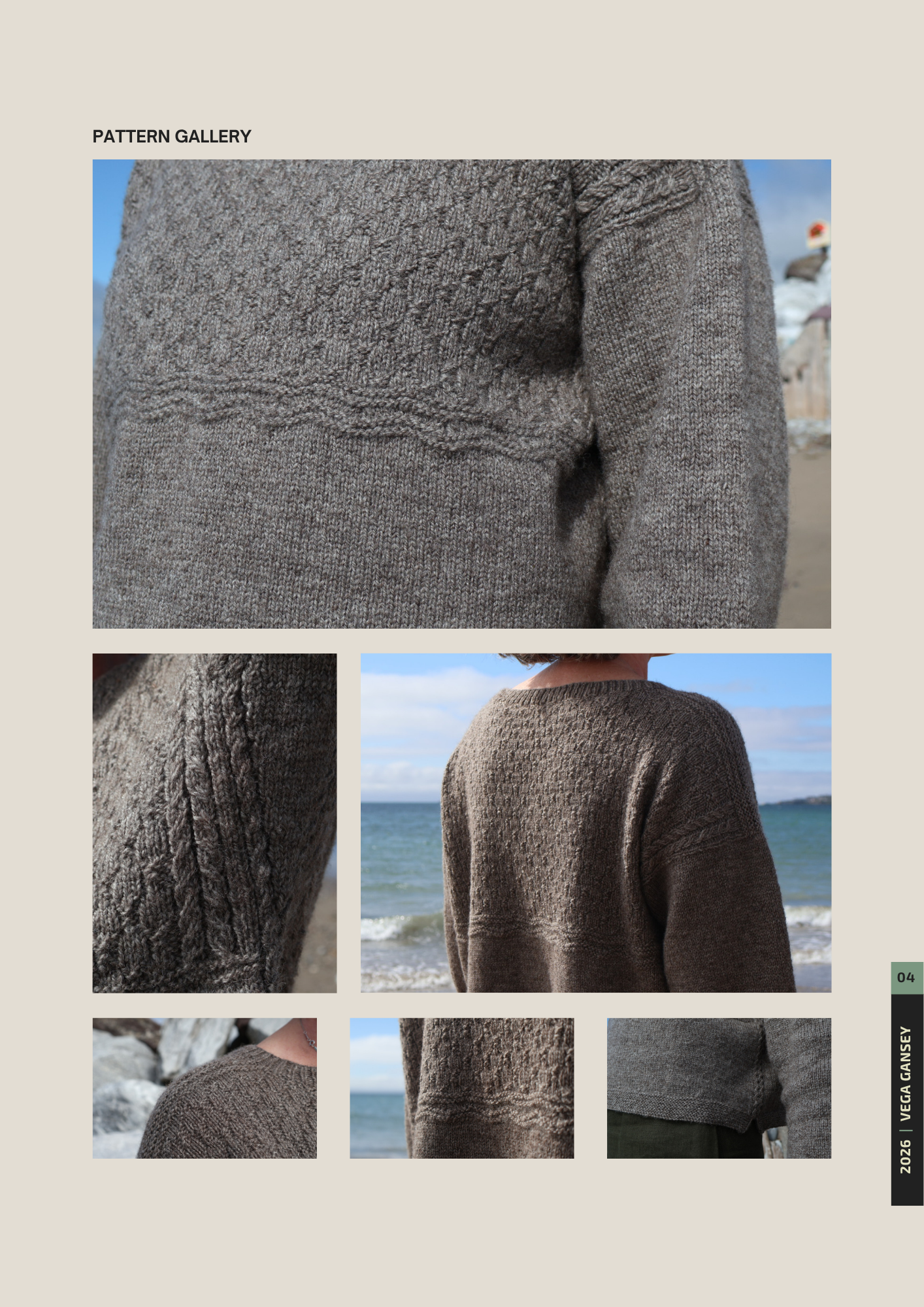
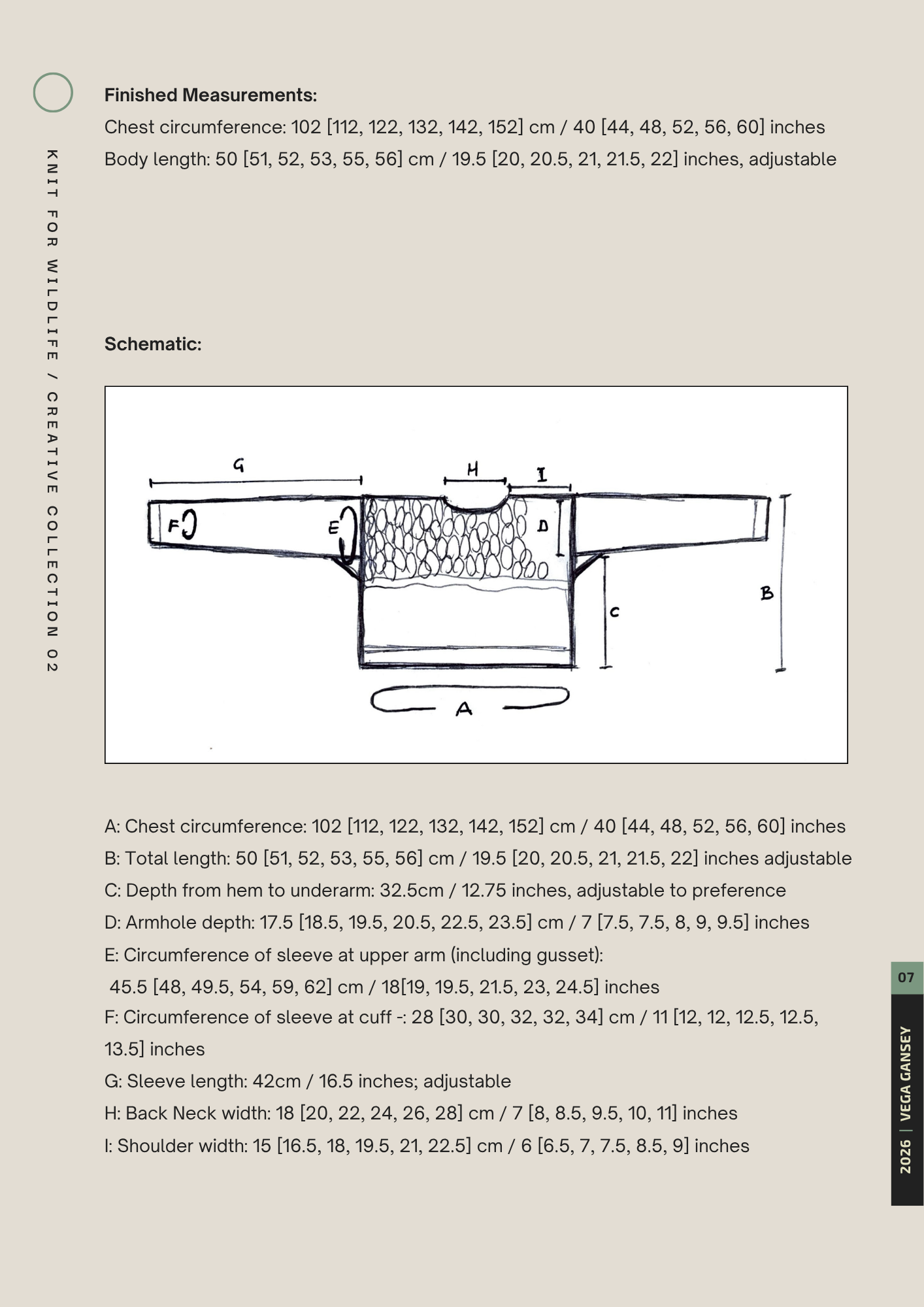
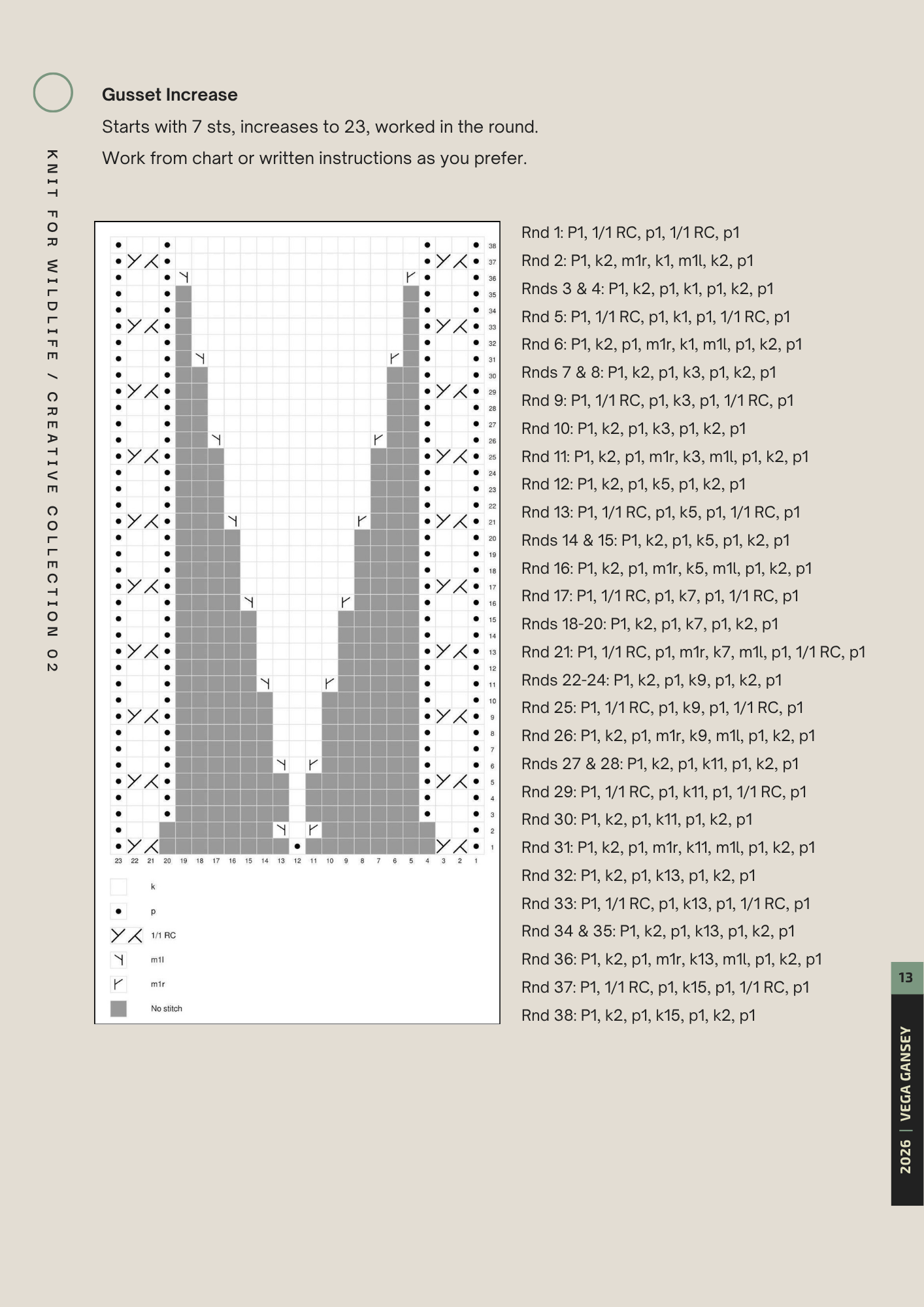
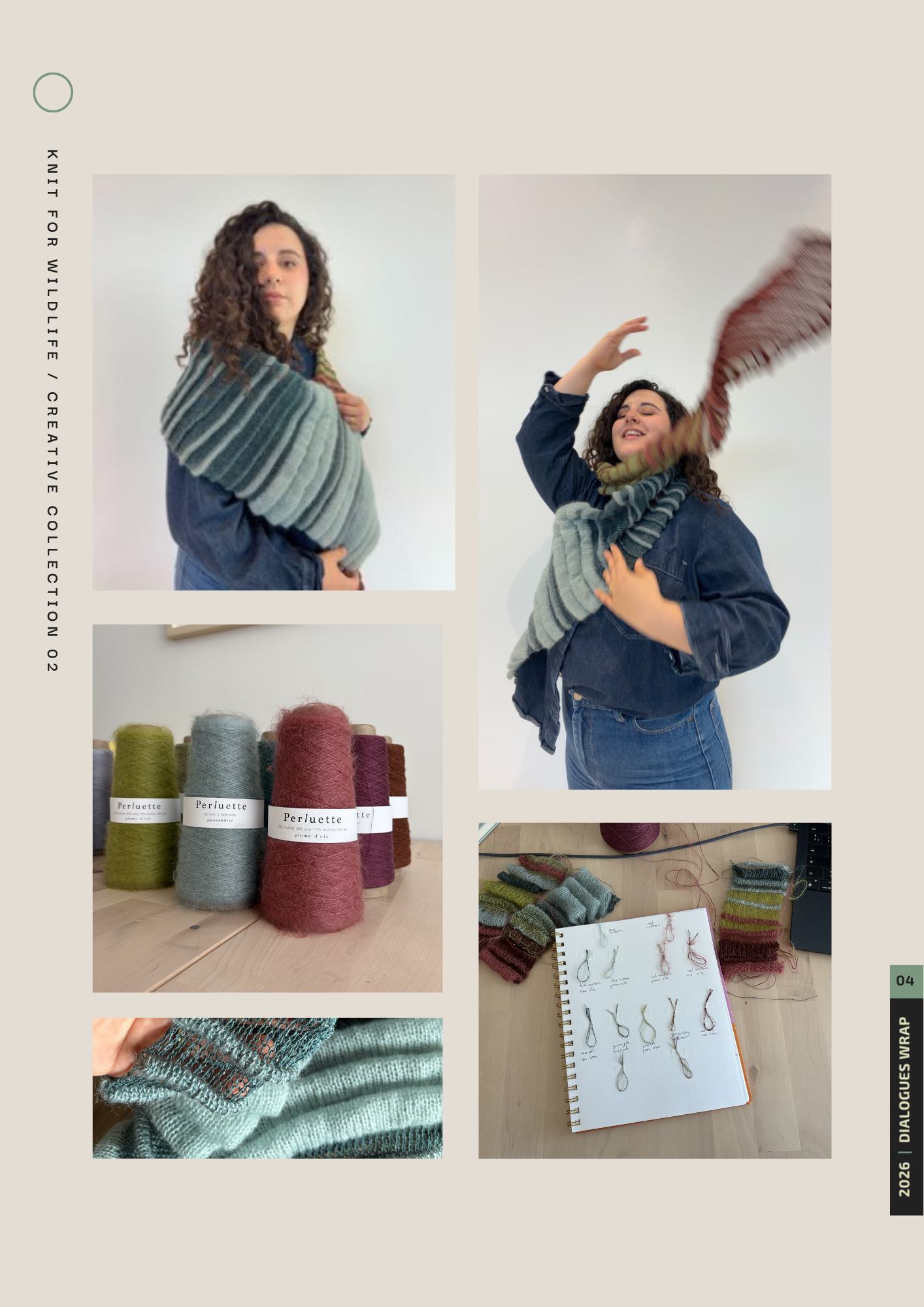
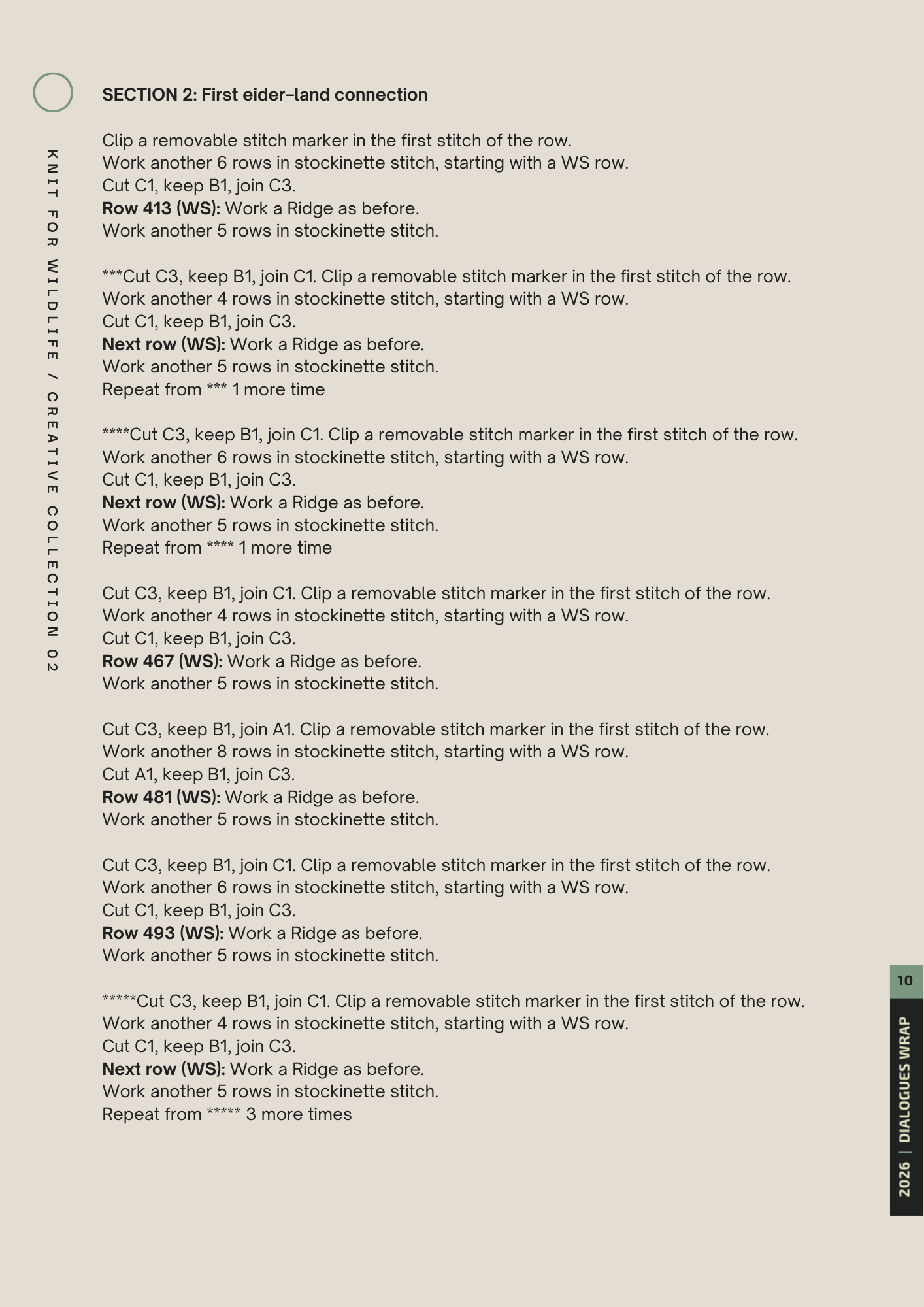
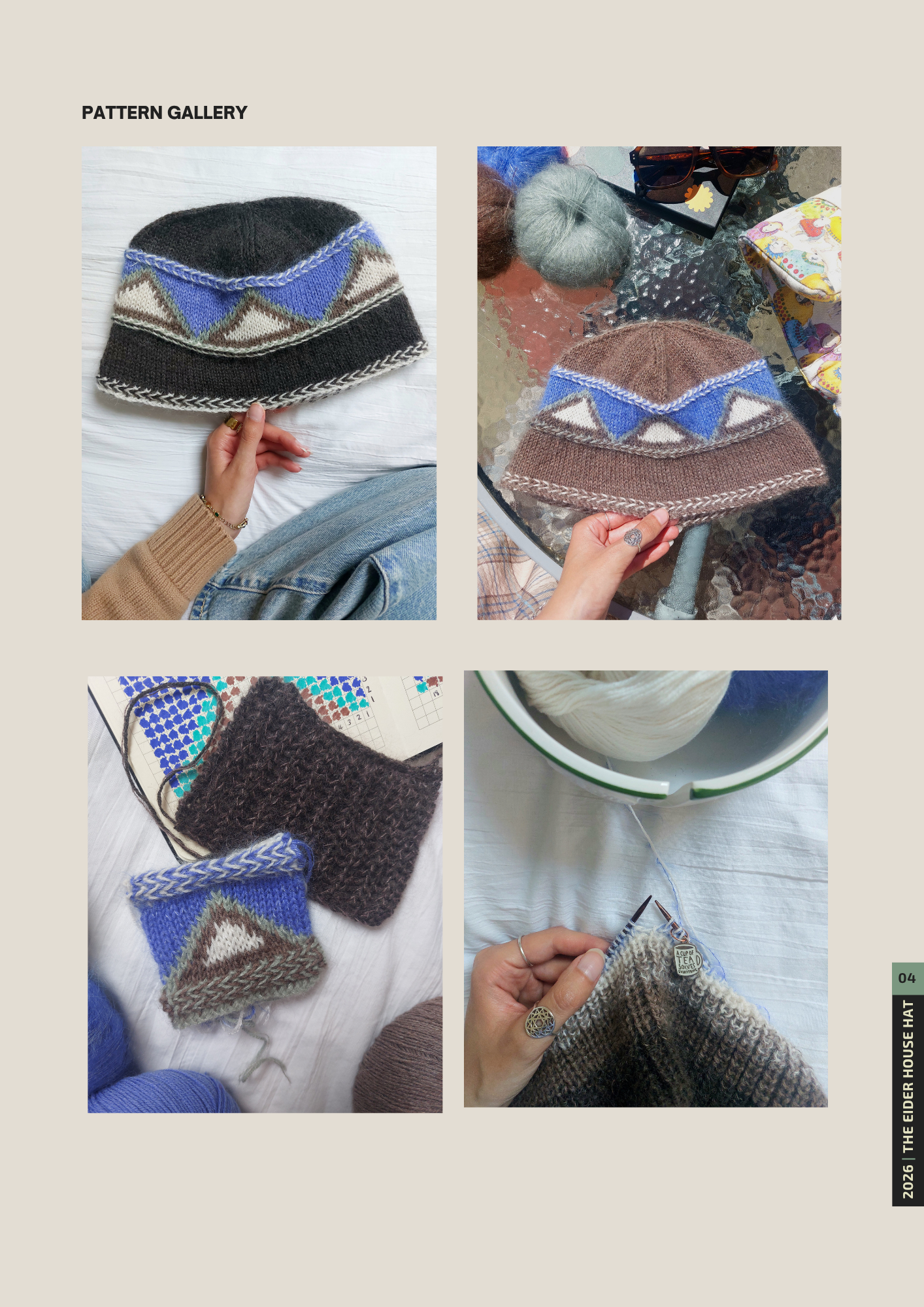
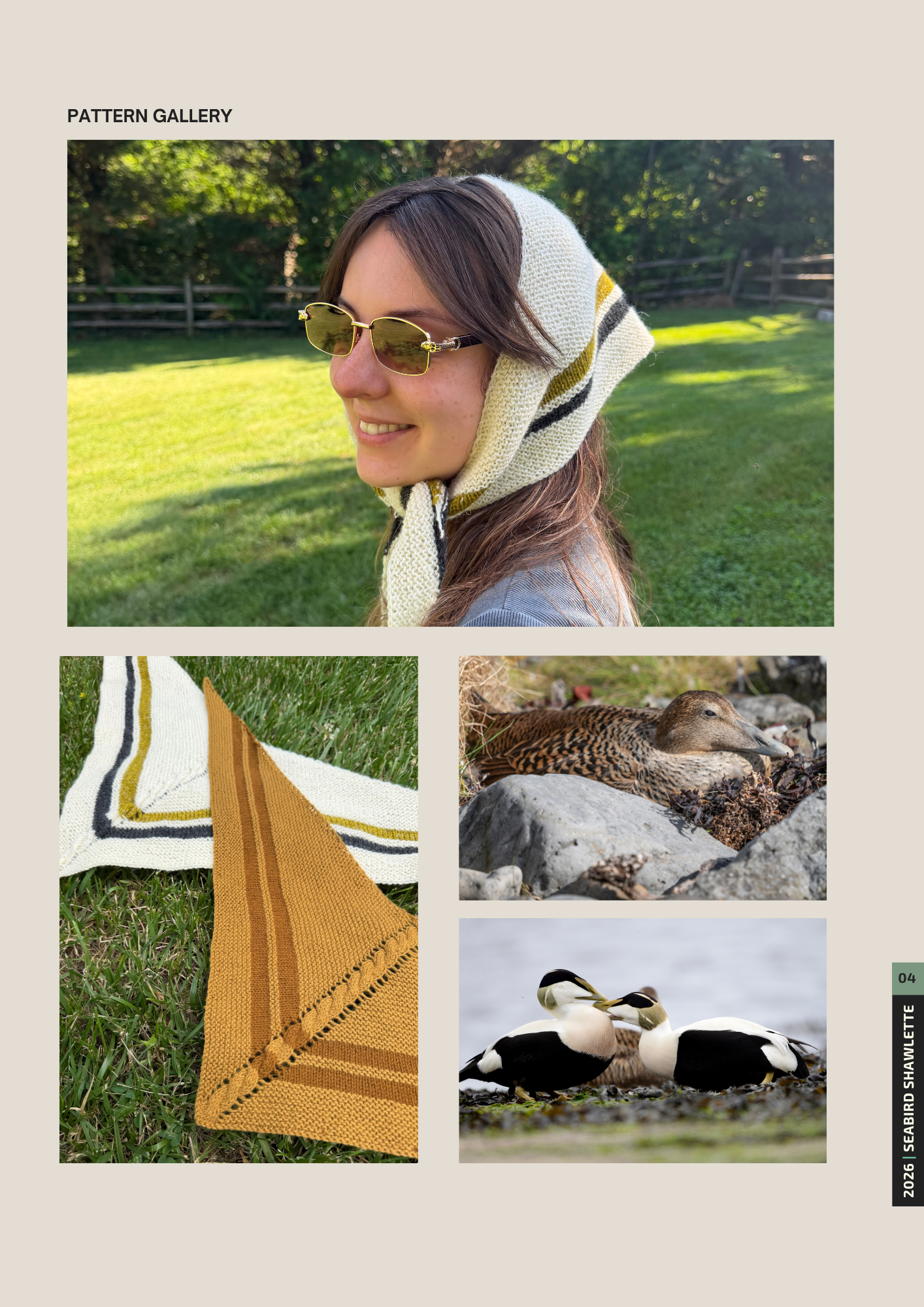
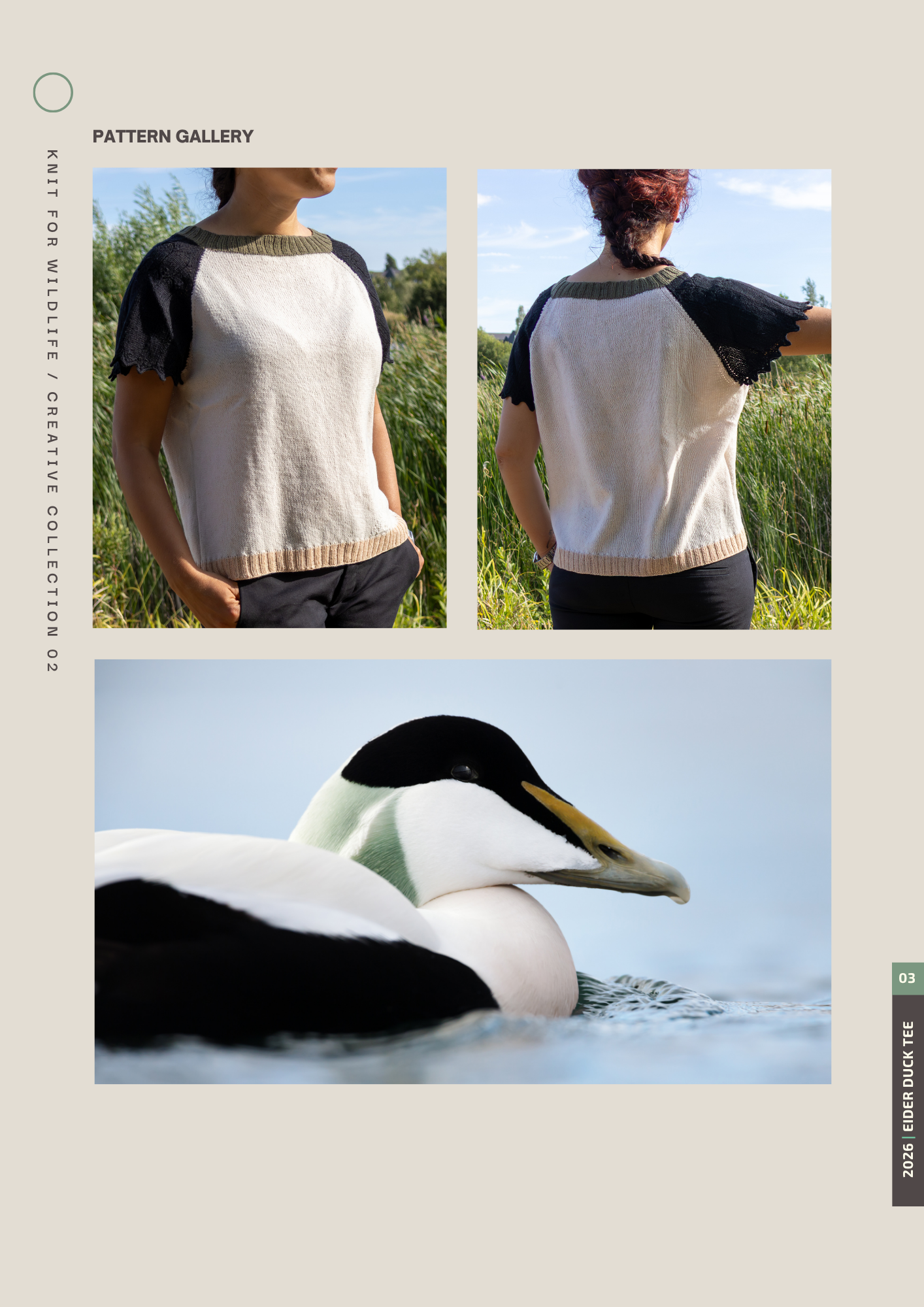
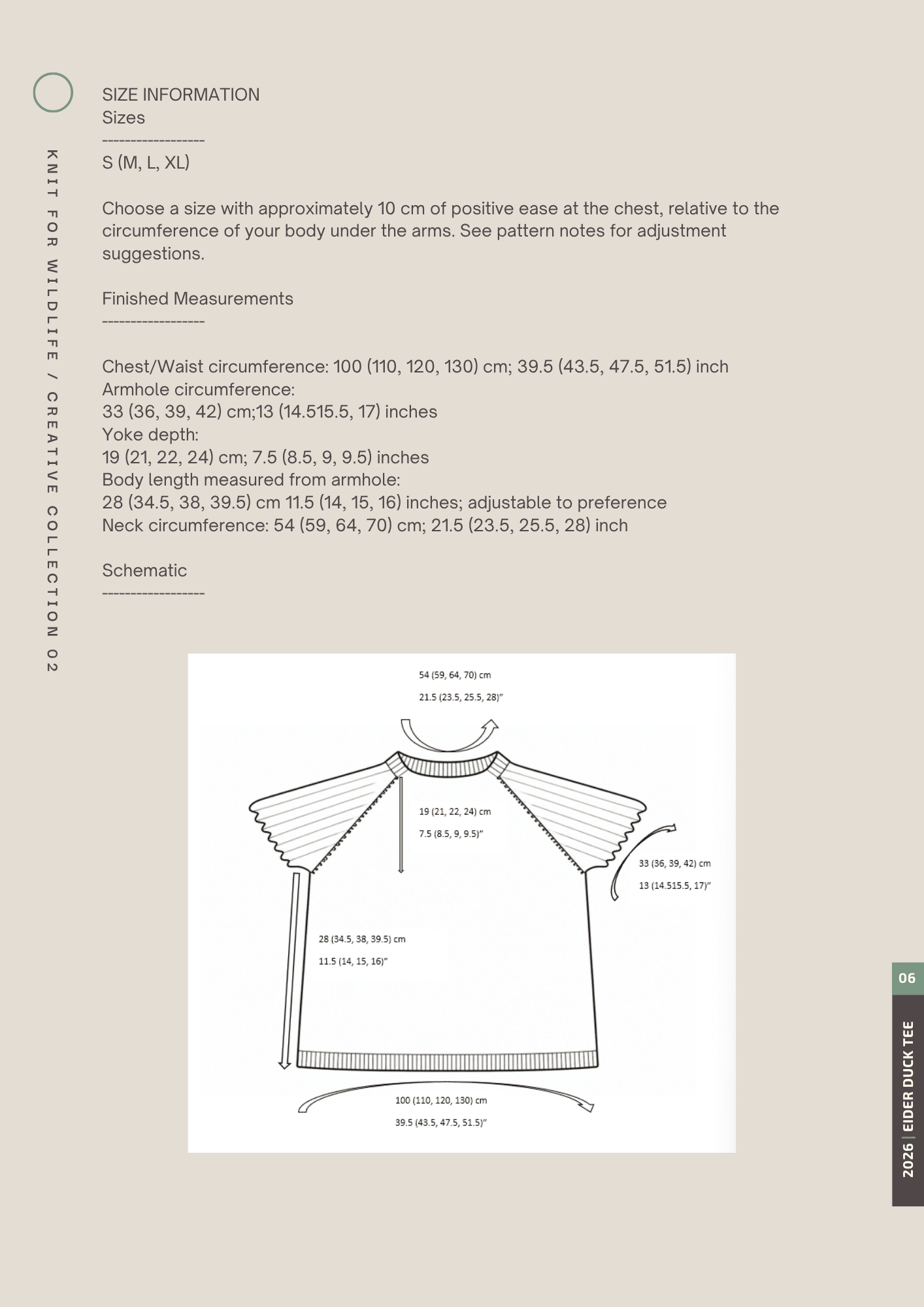
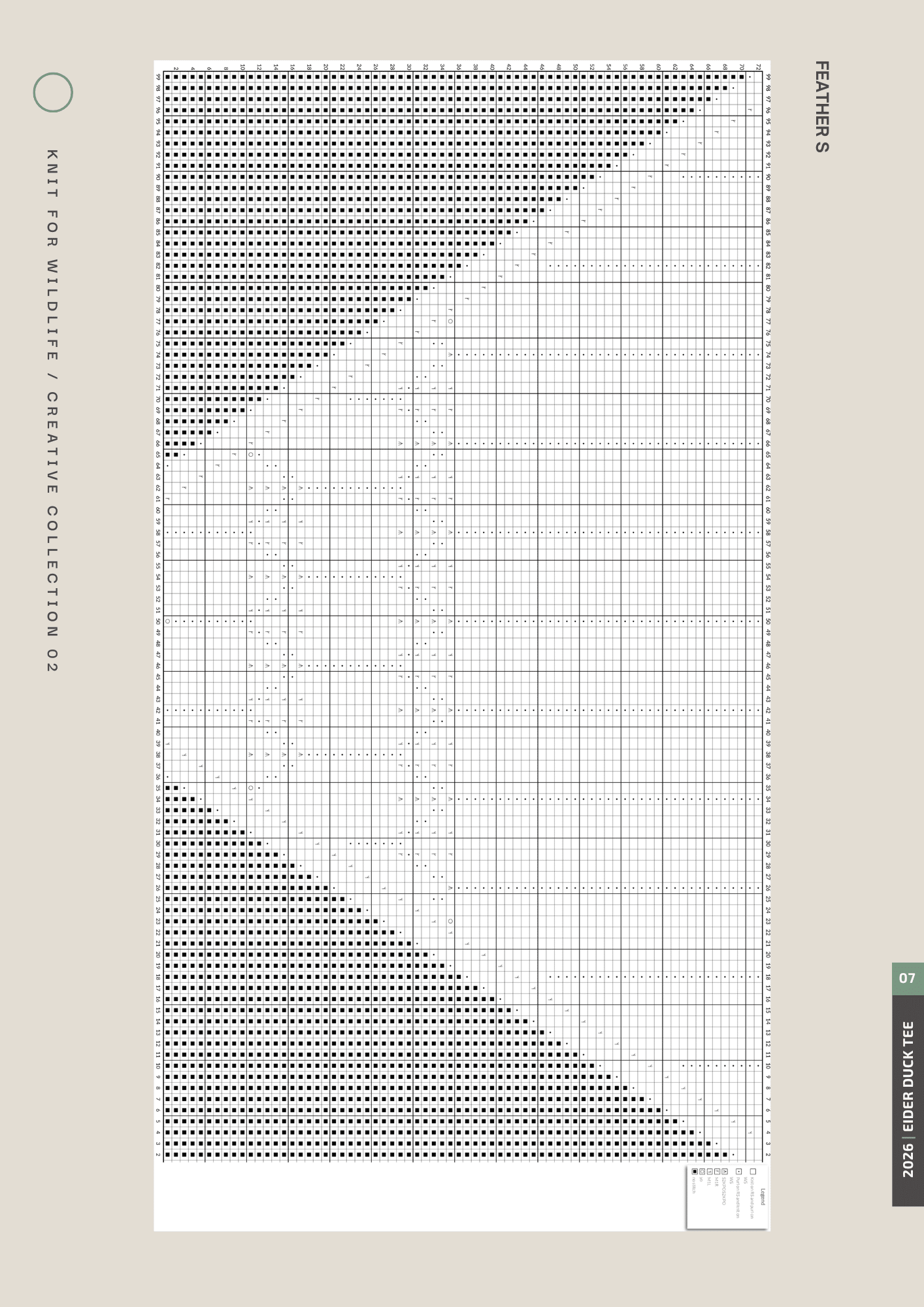
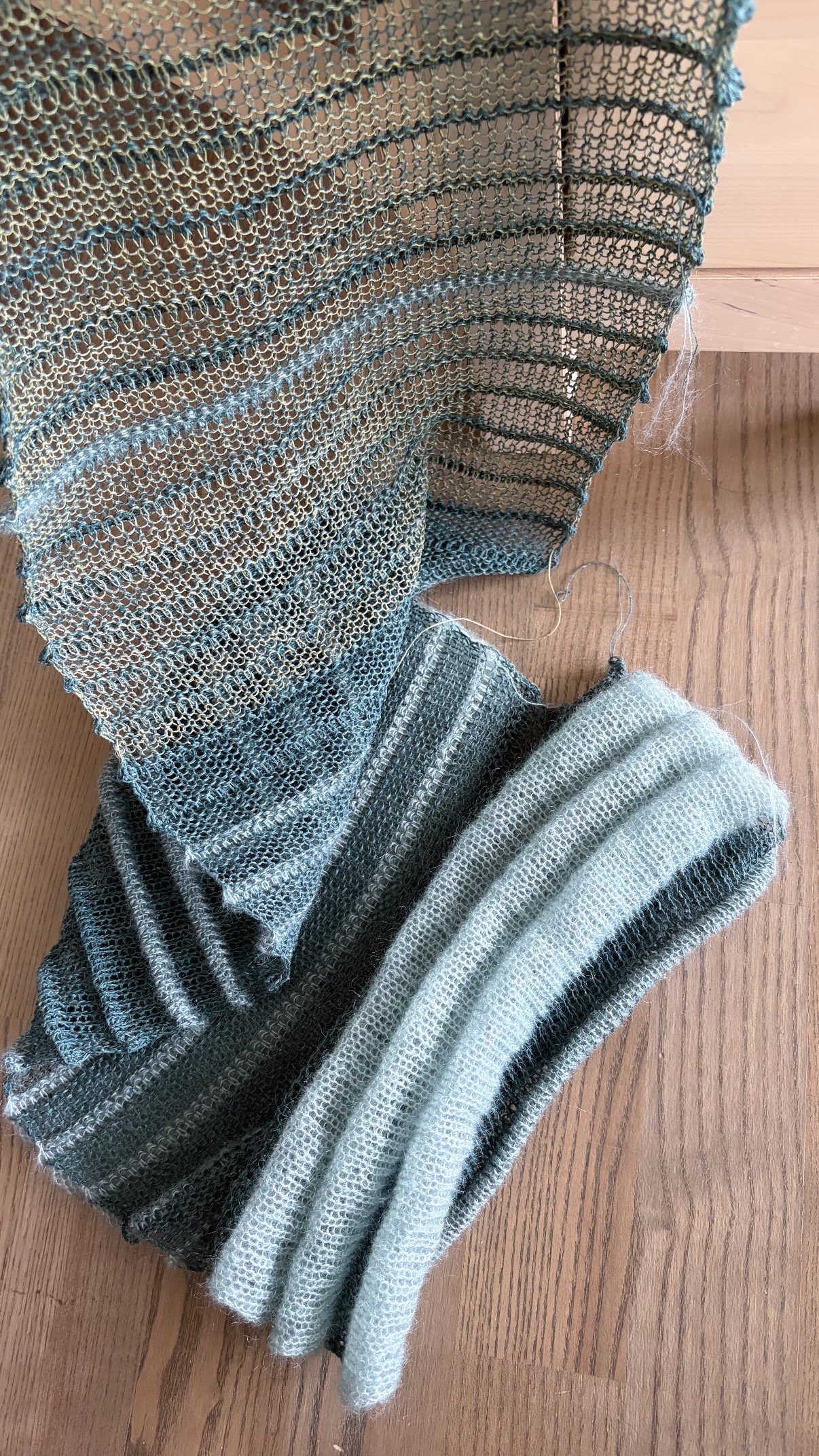
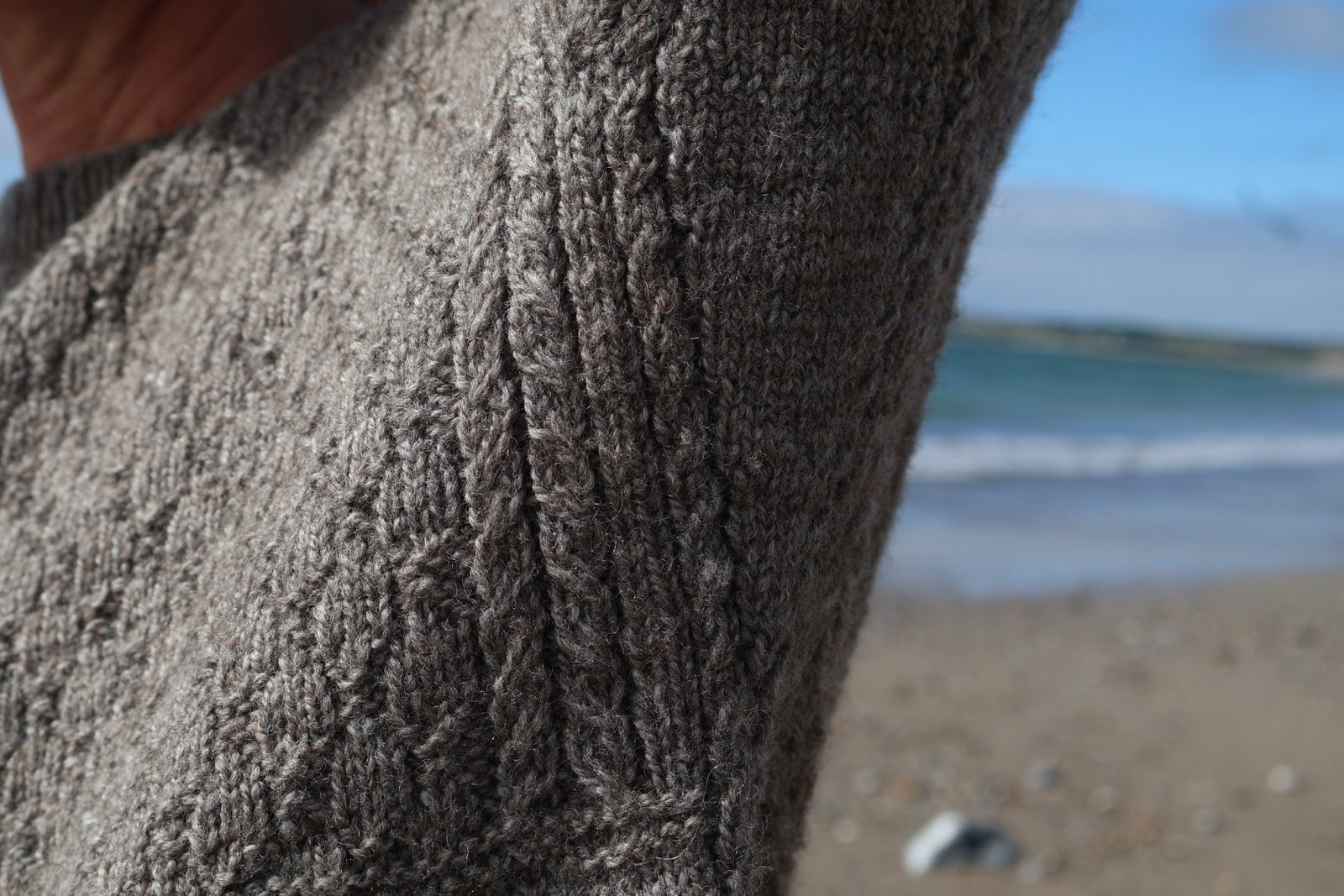
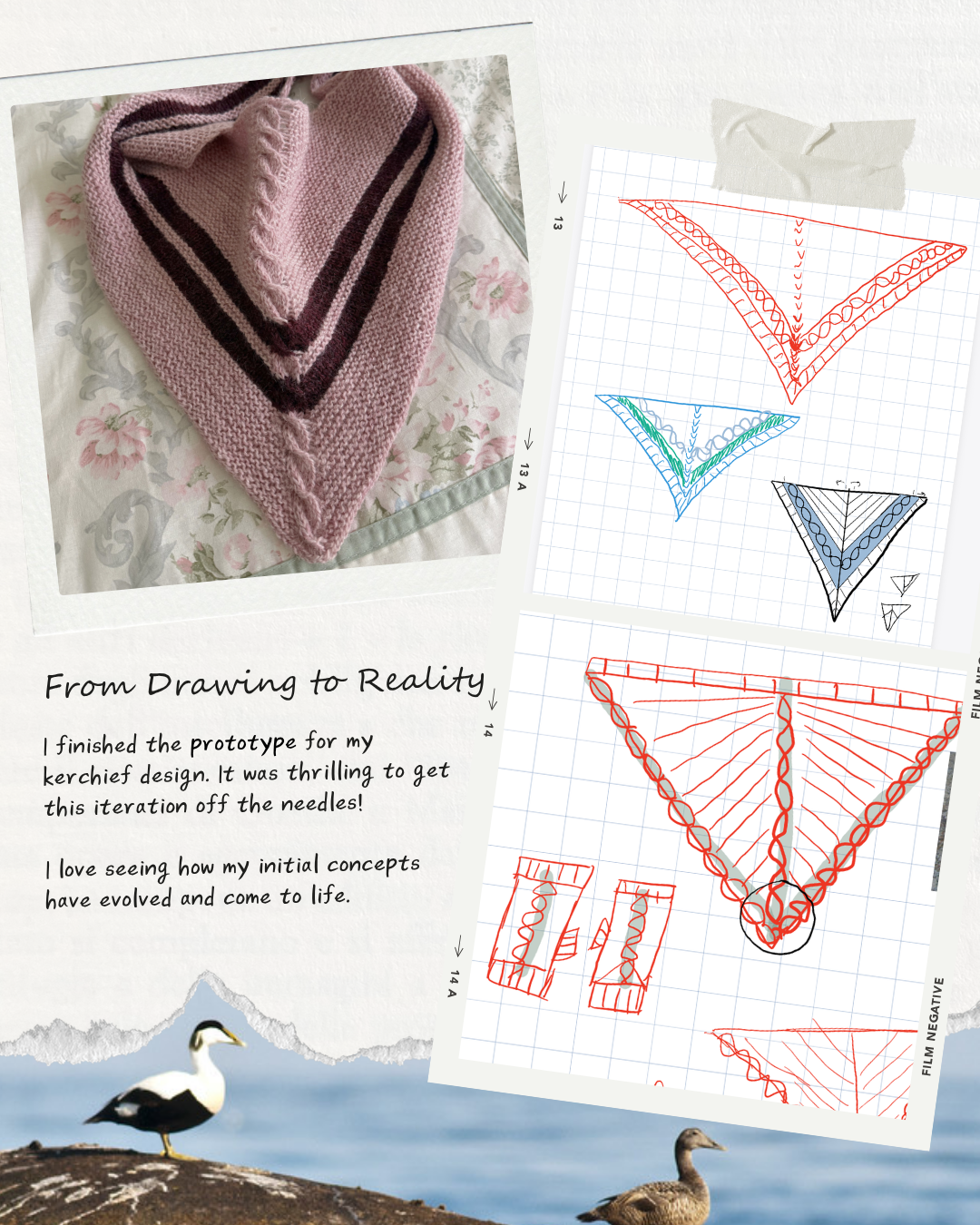
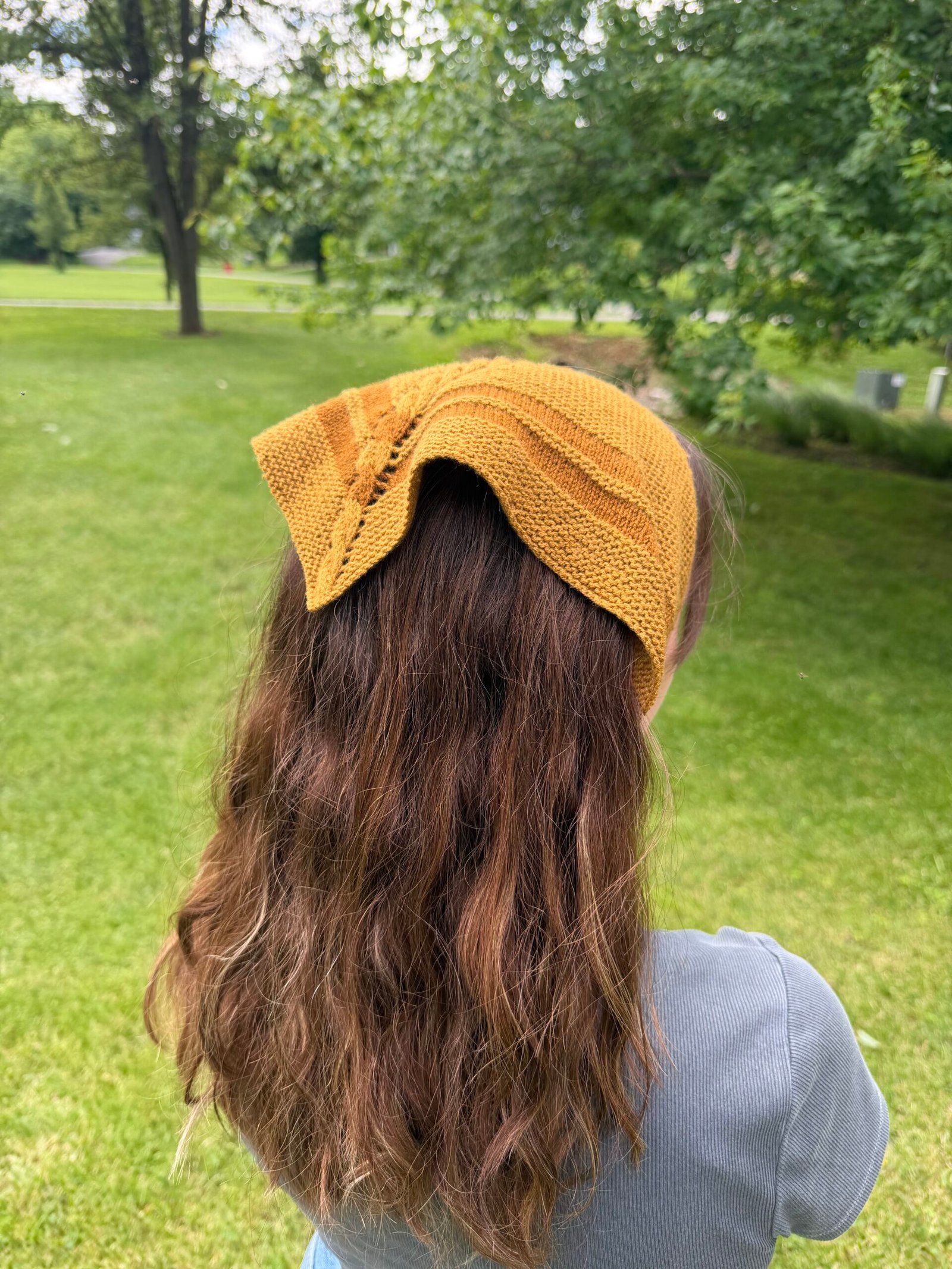
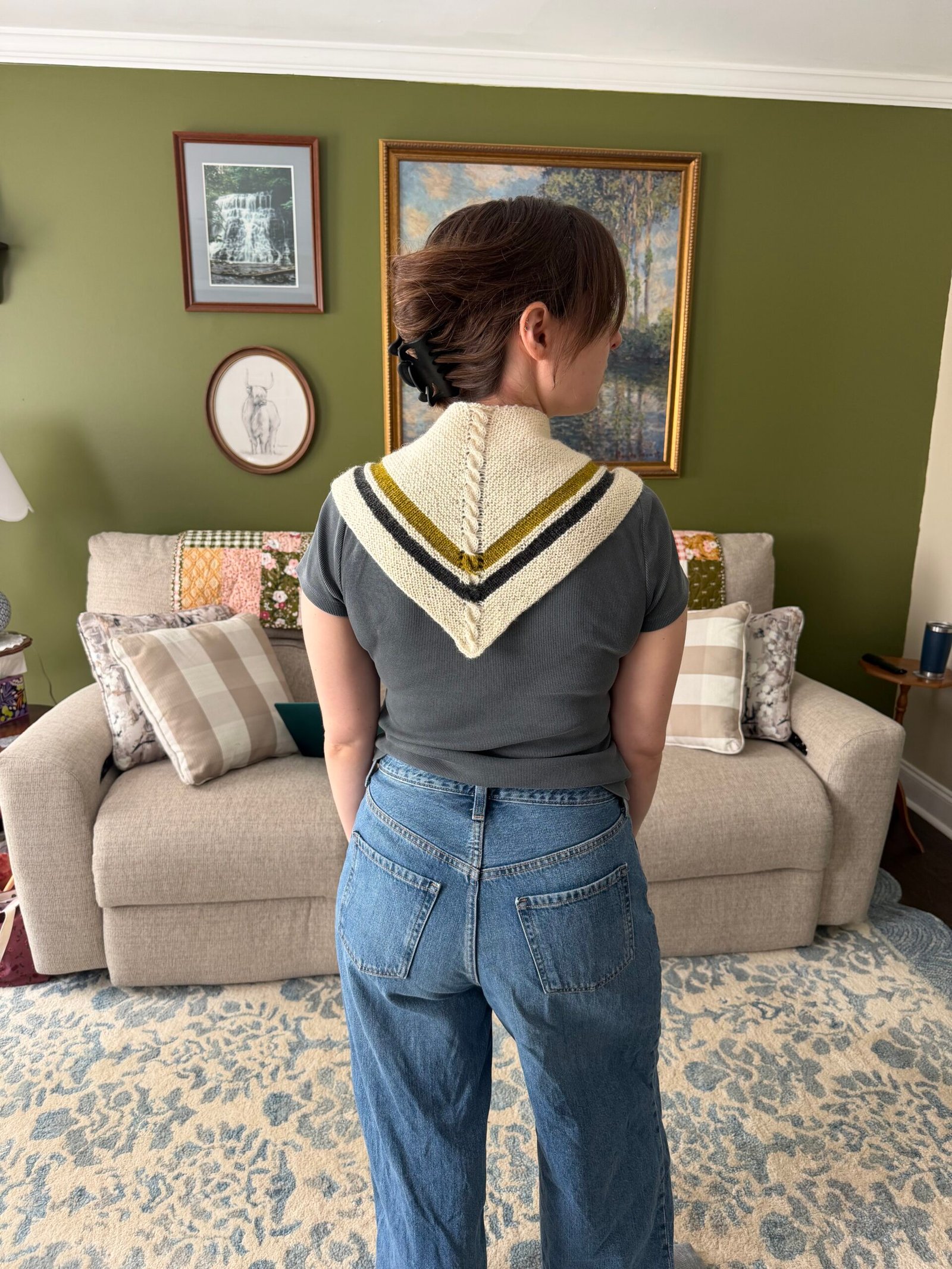
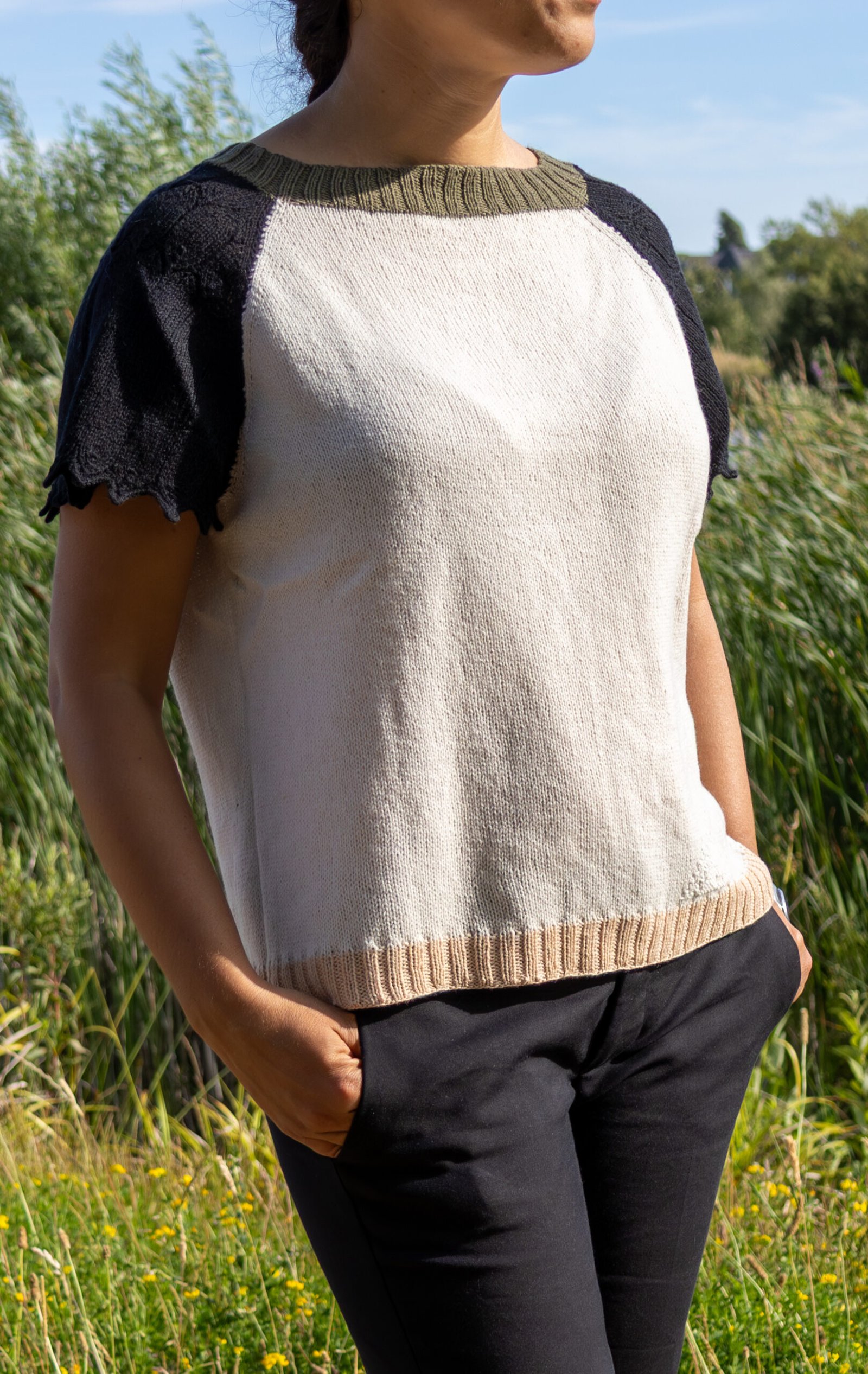
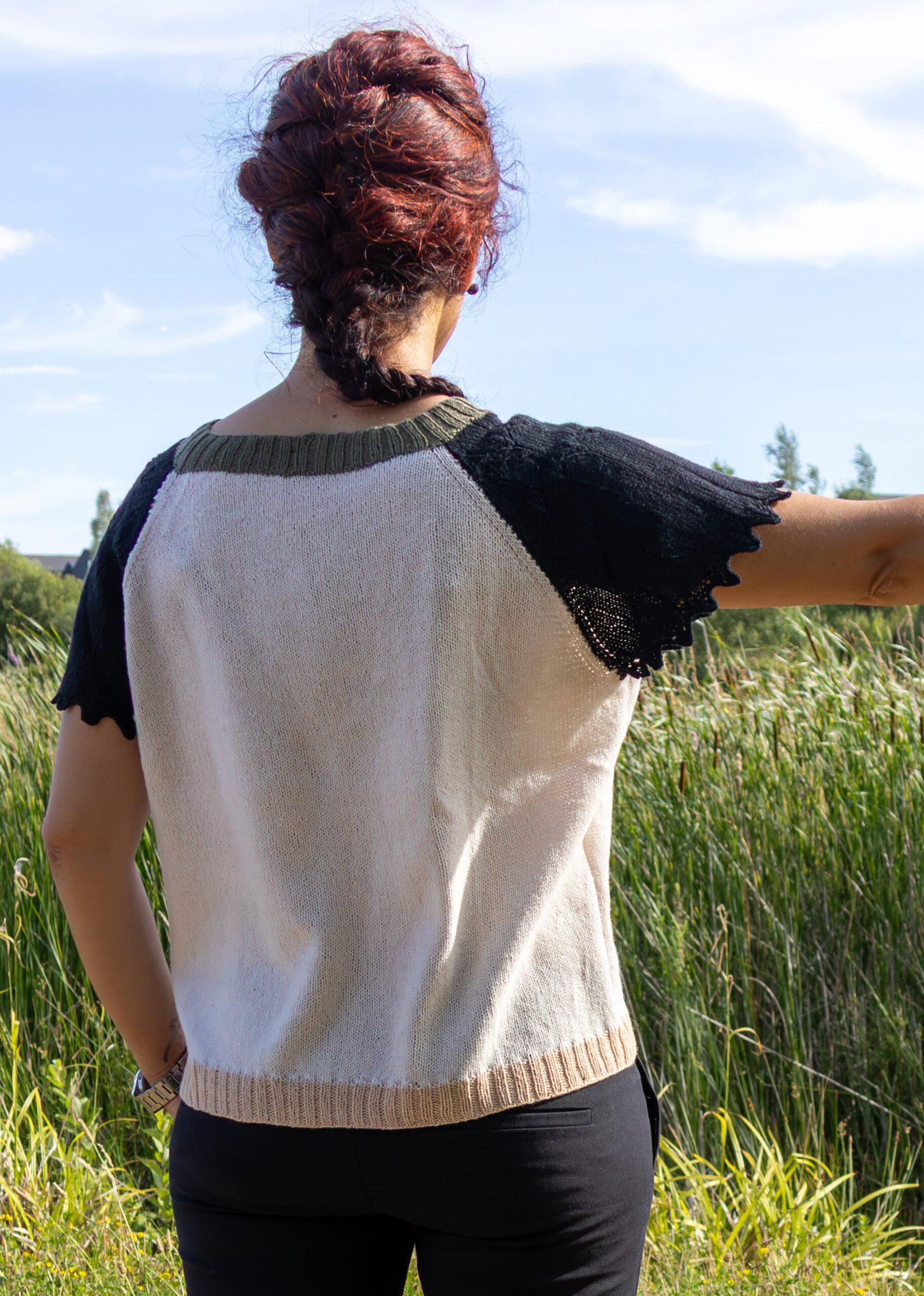
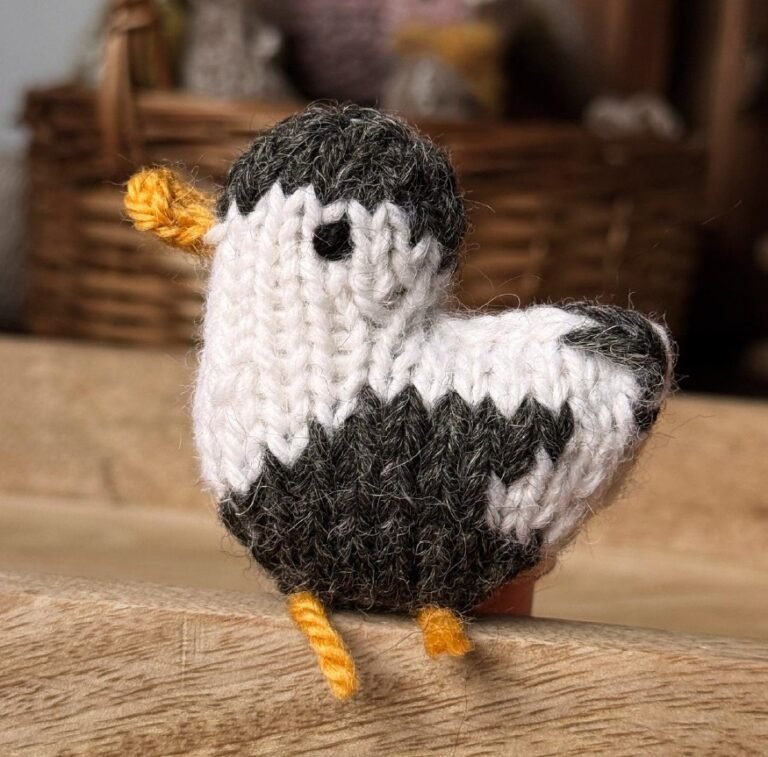
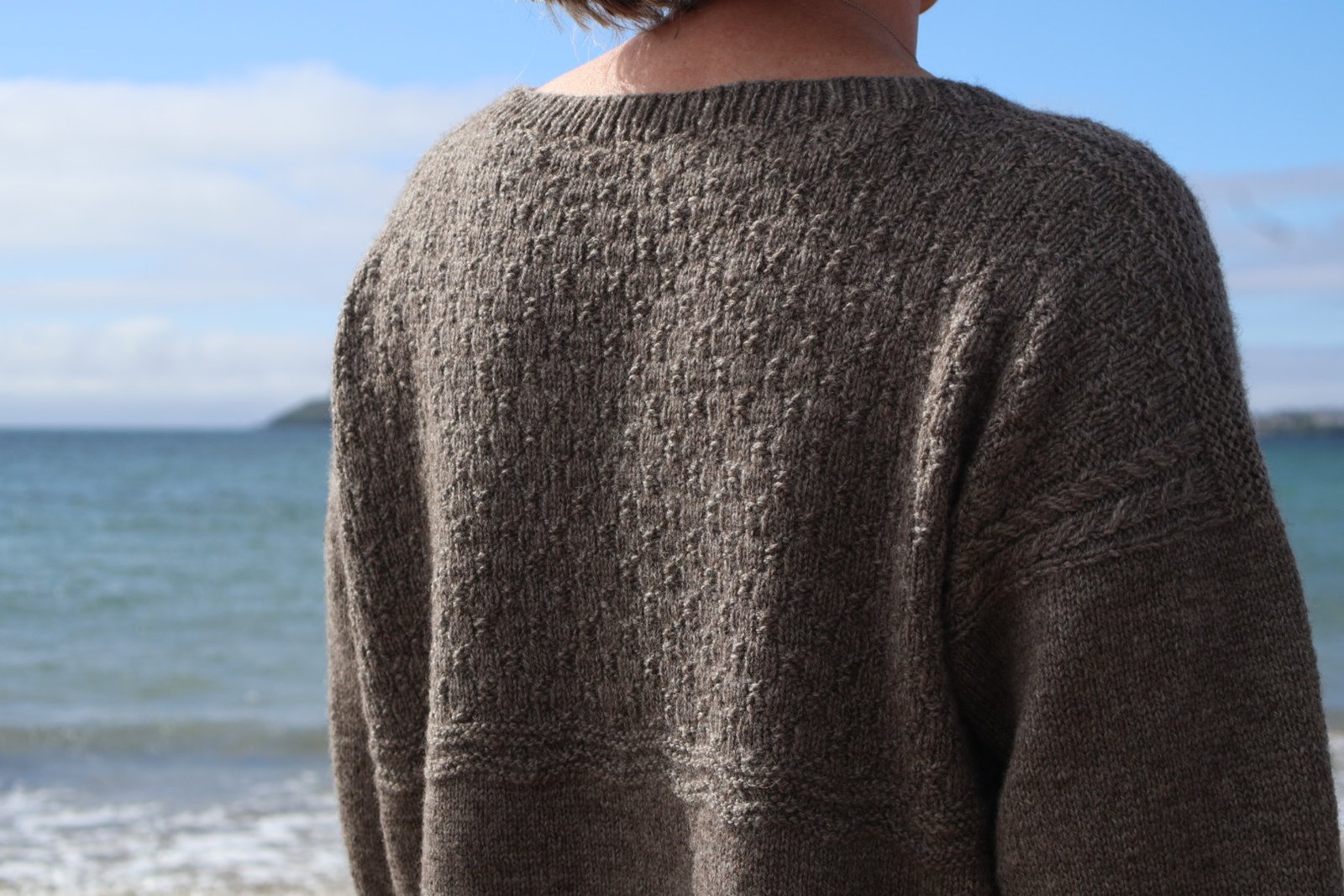
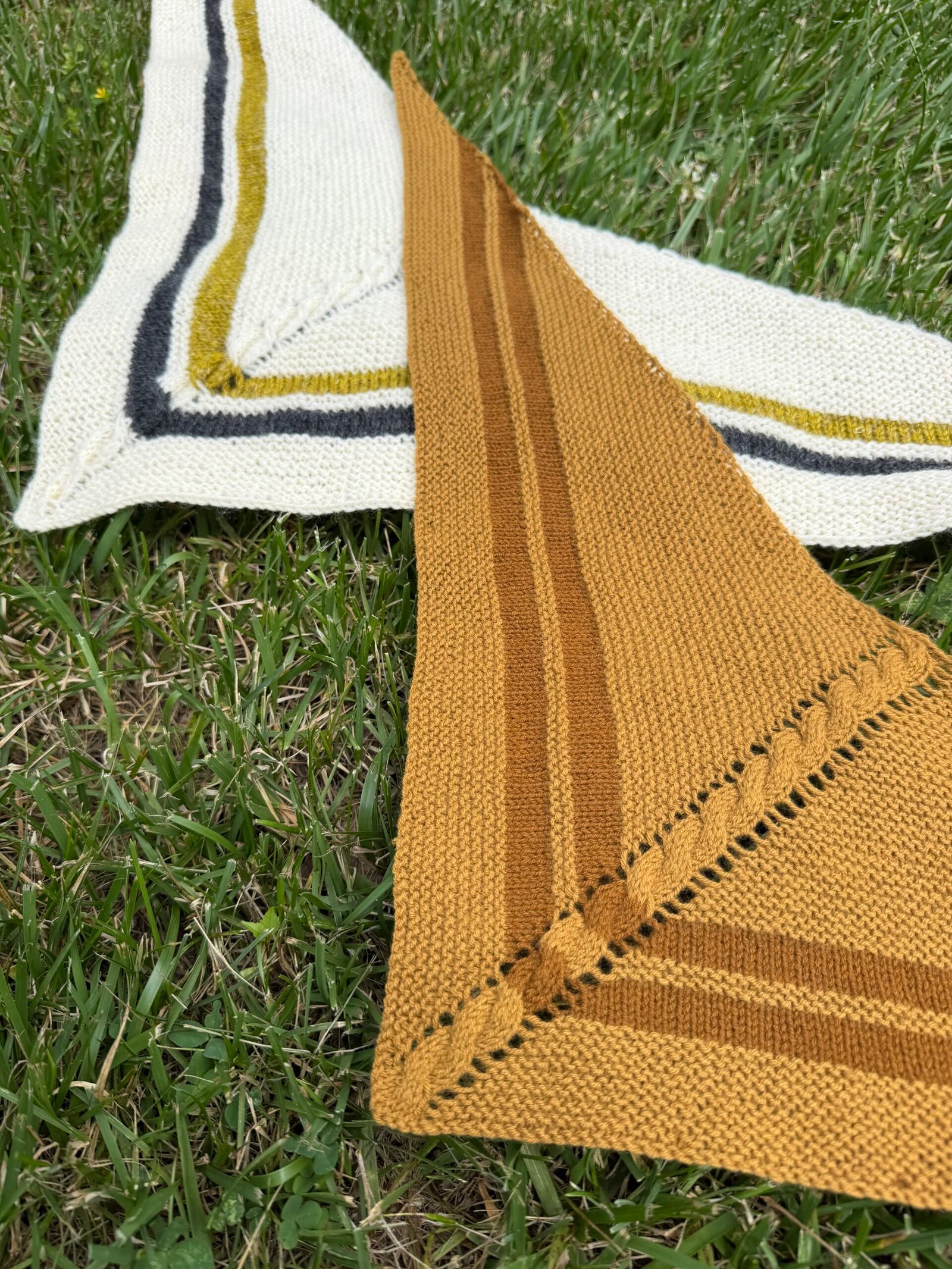
The last cohort has designed a Seabird Shawlette, Vega Gansey, the Eider House Hat, Vega Dialogue Wrap, and an Eider Duck Tee. 

PATTERNS BY 3RD COHORT

0 days 00 hr 00 min 00 sc
Breaking Barriers to Eco-Literacy

KNITTERS IN RESIDENCE

Every pattern created during our residencies is completely free to the public. They are literacy tools. Embedded within the rows are field notes, species facts, and conservation stories. 

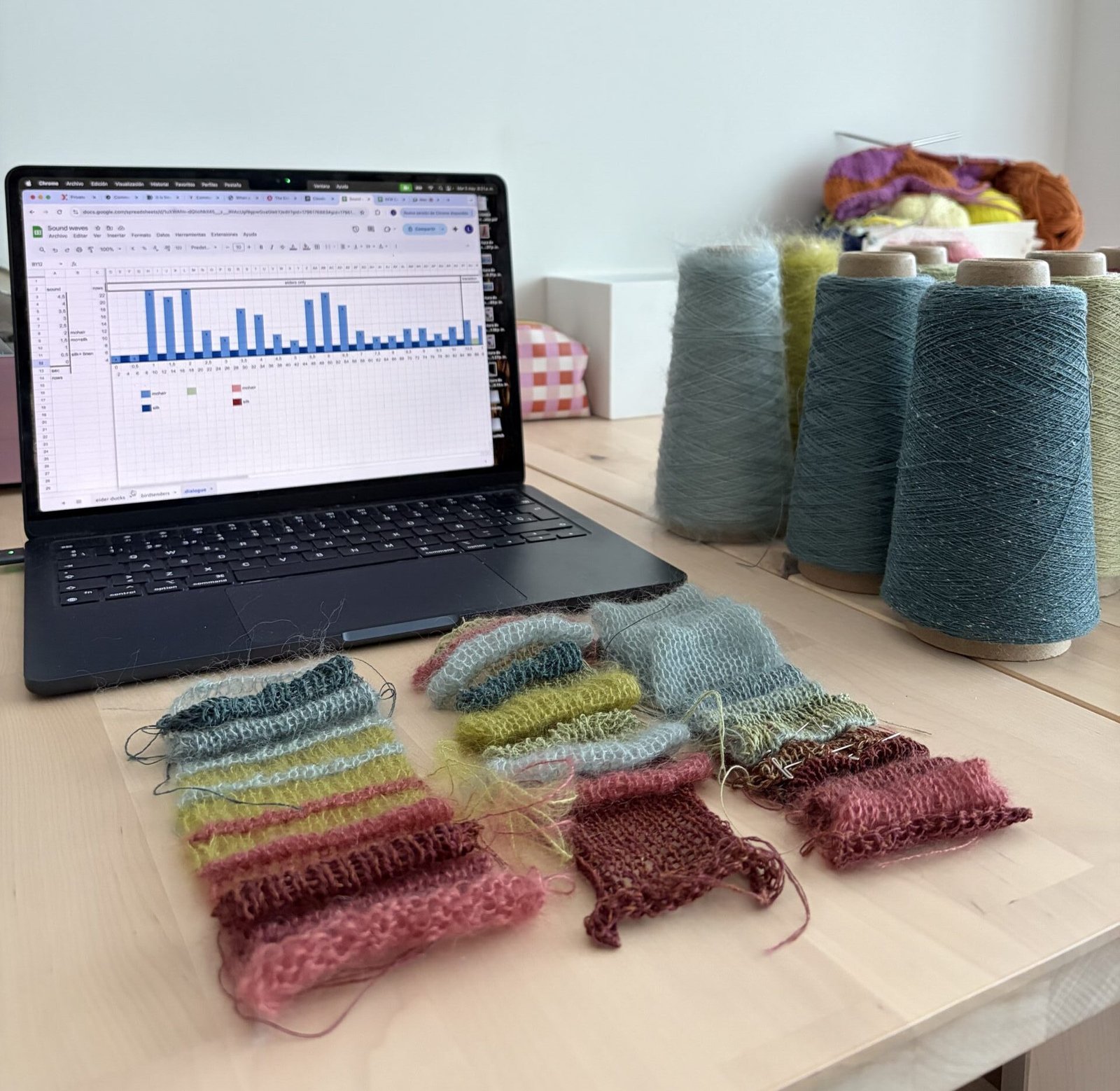
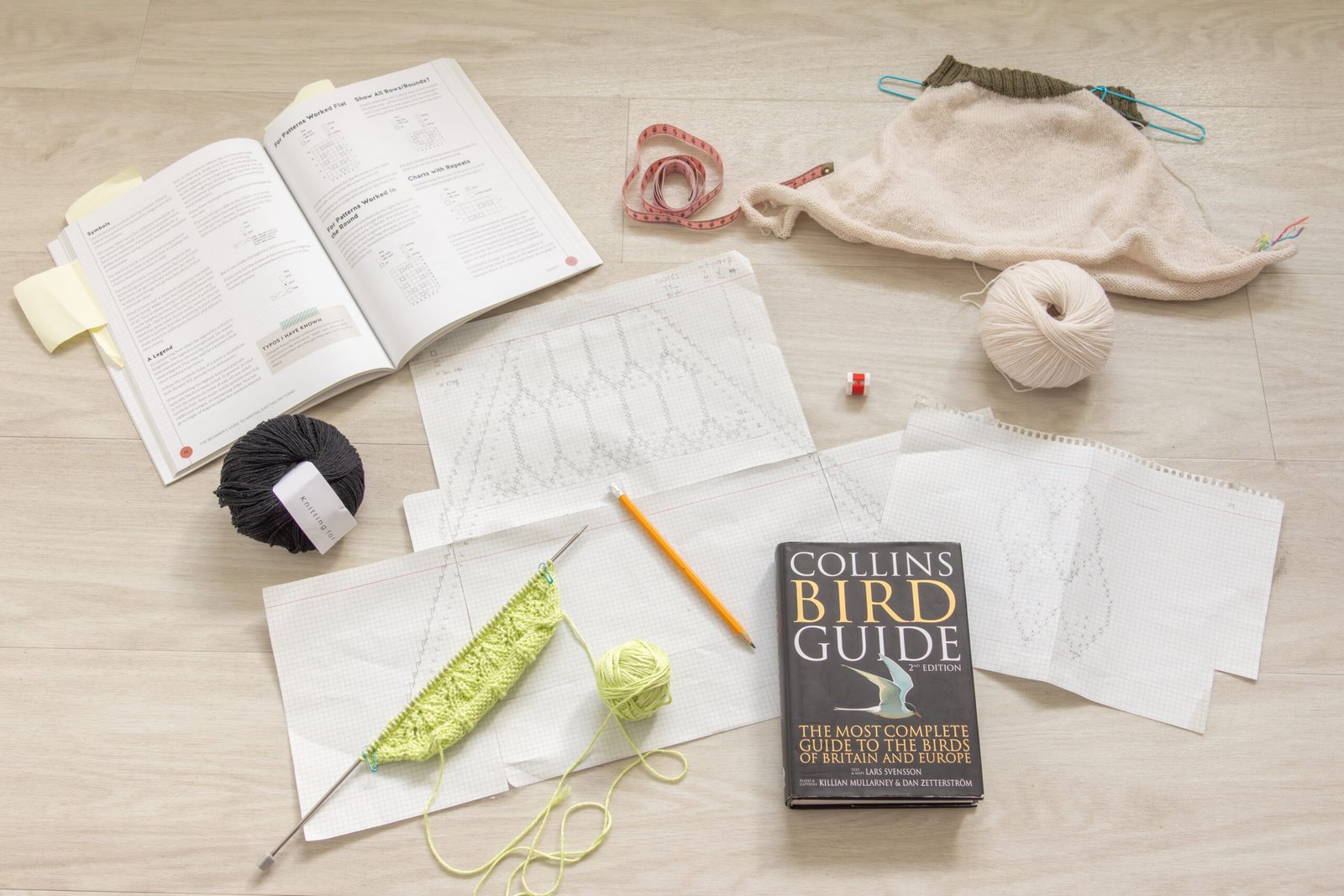
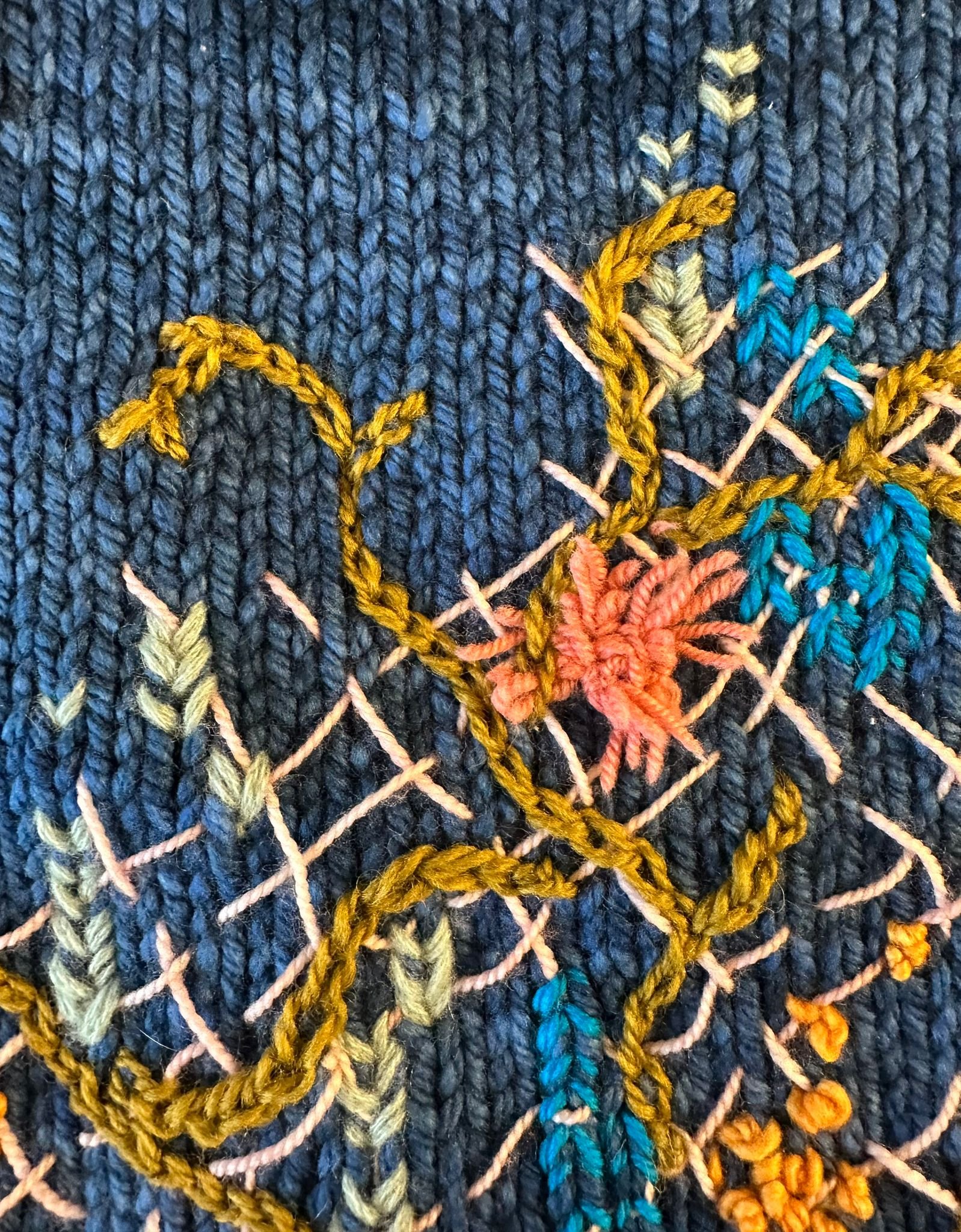
Process gallery:

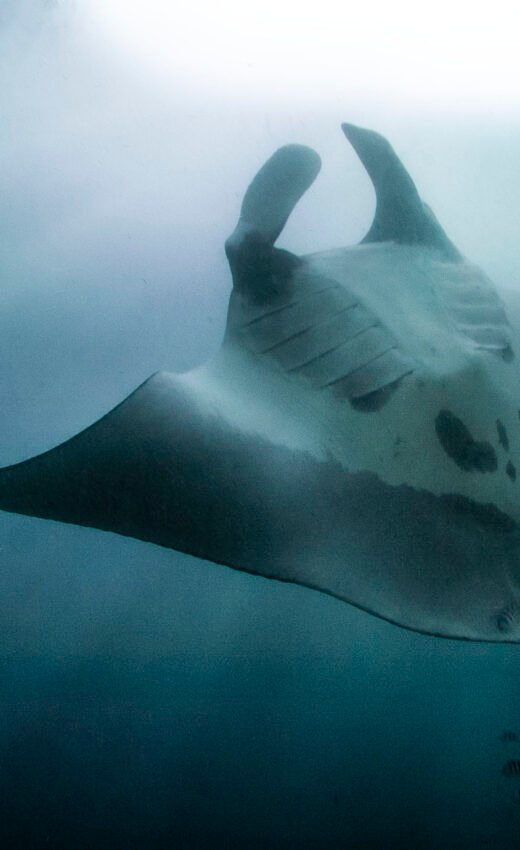
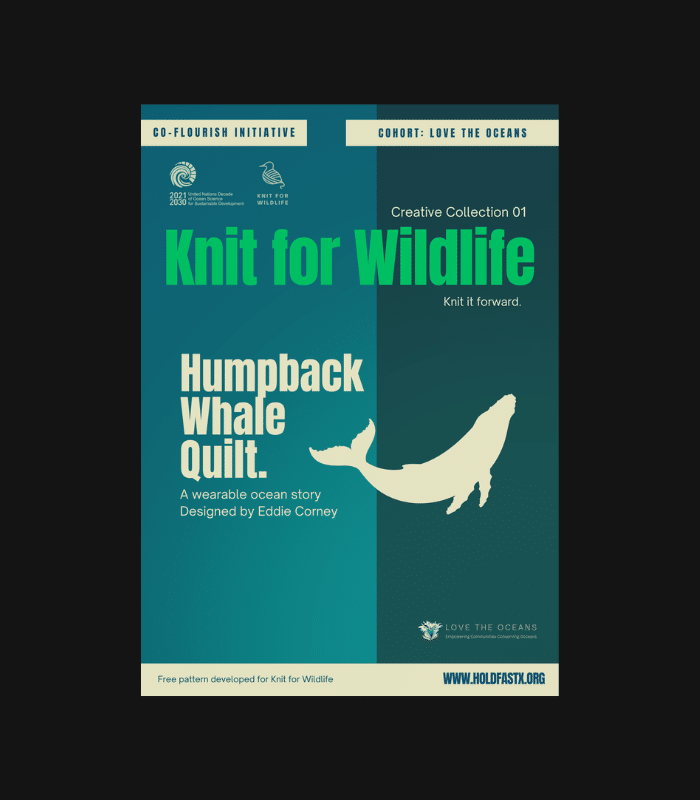
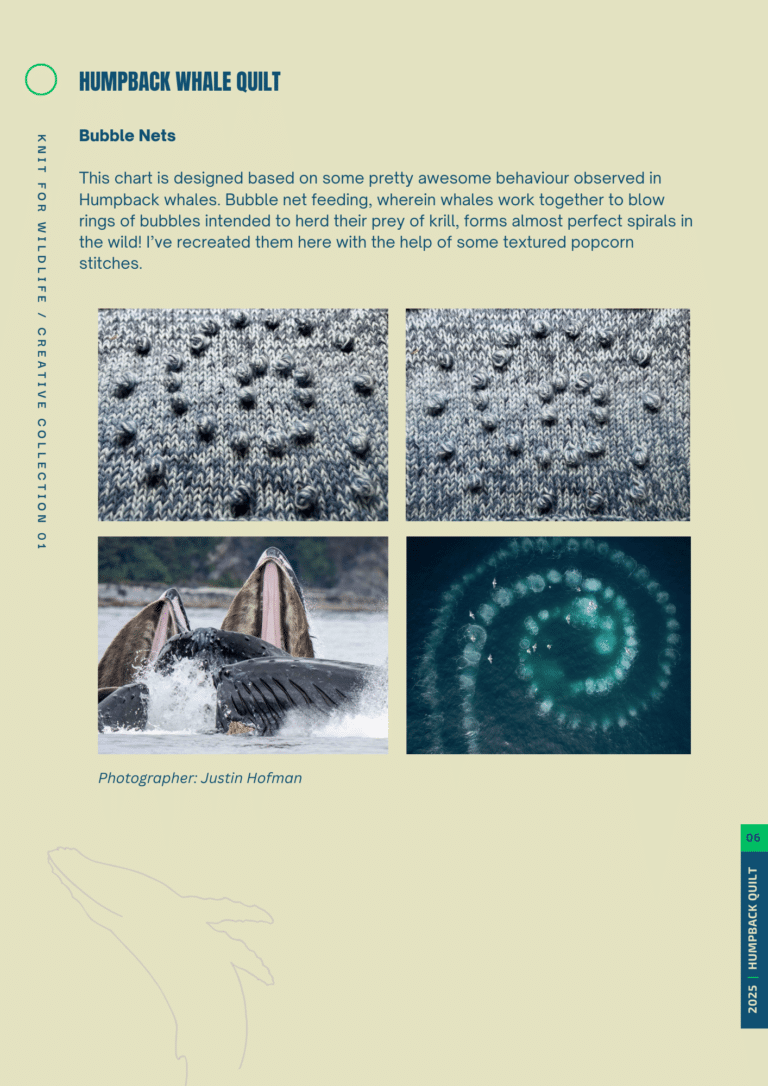
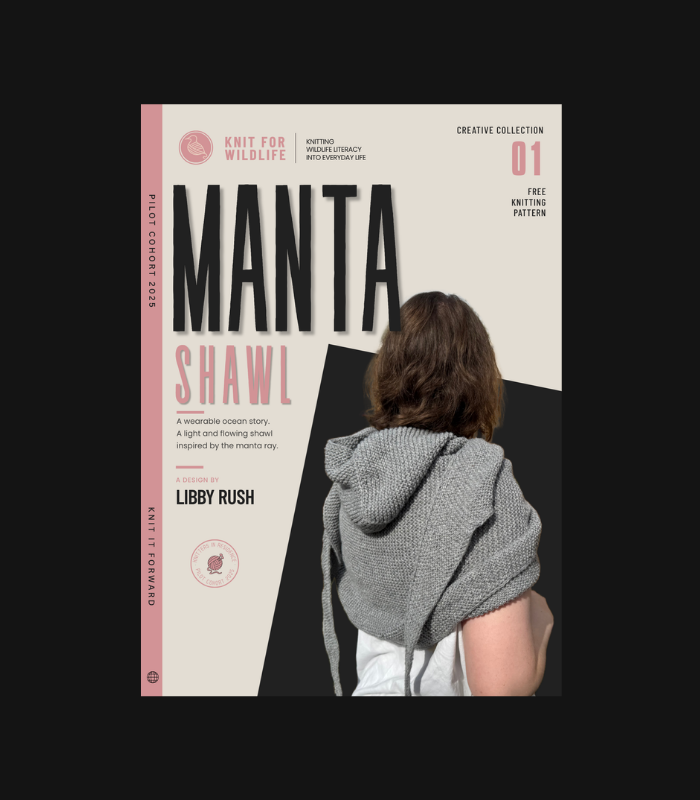
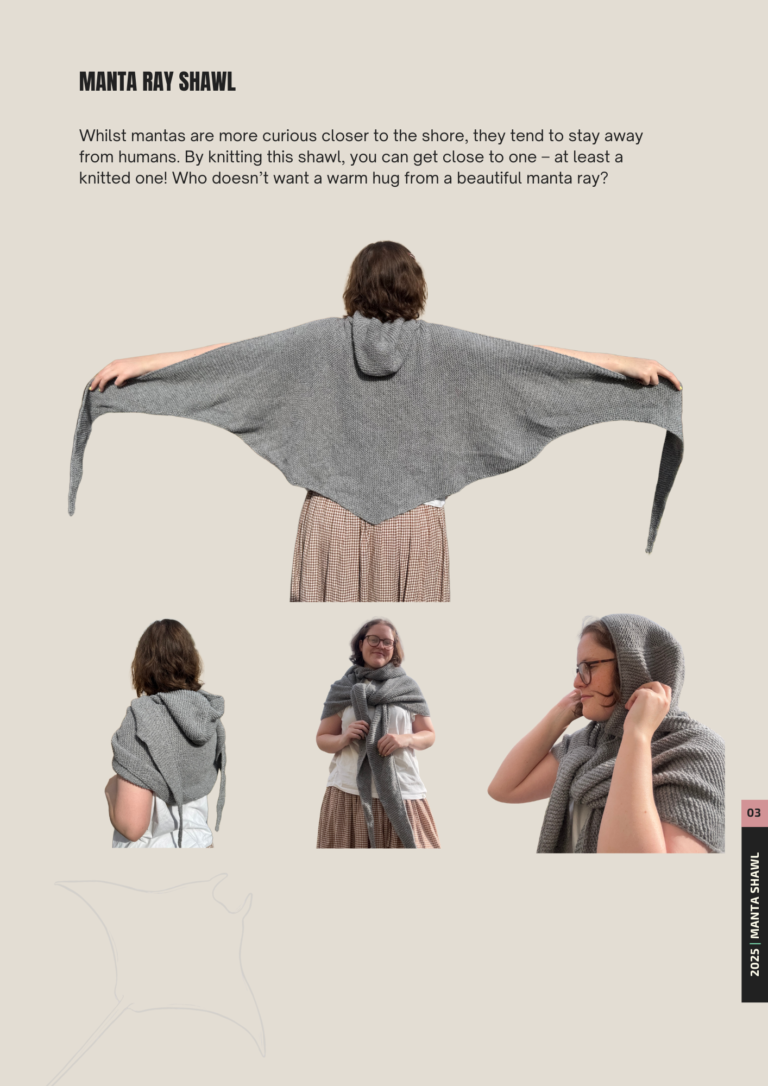
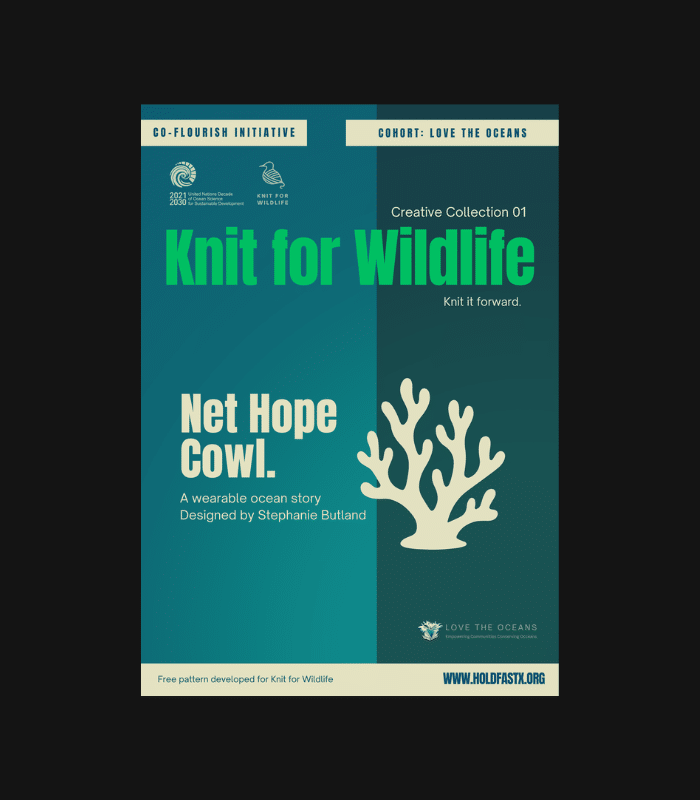
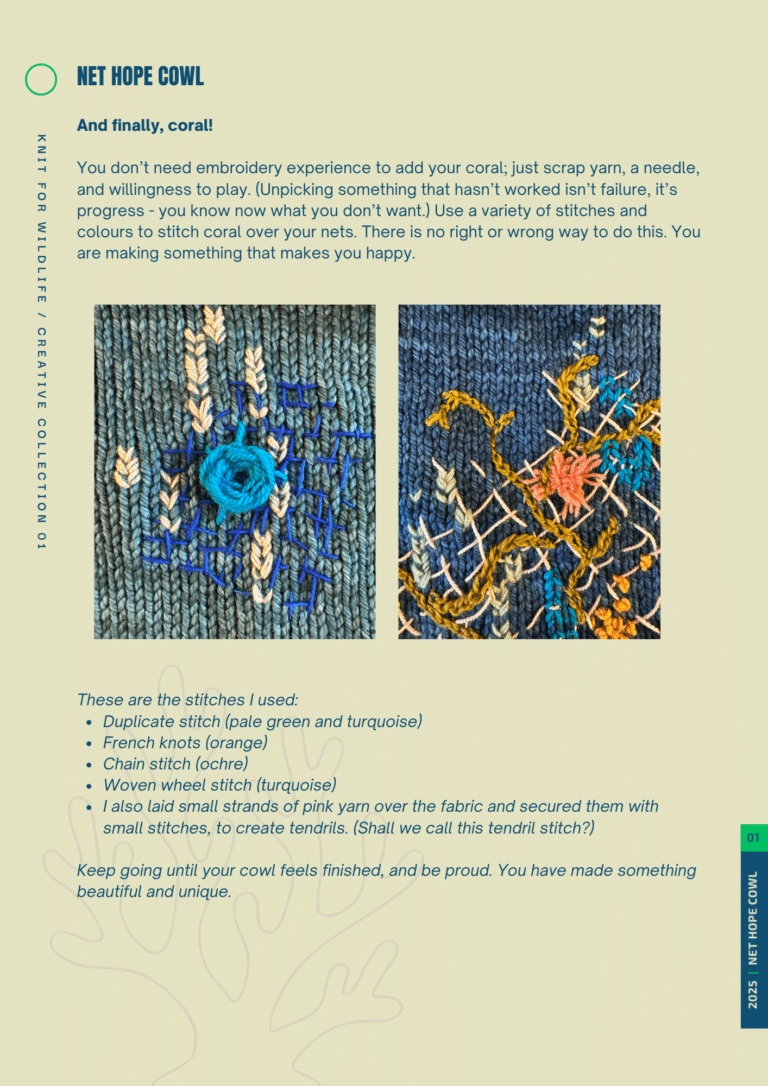
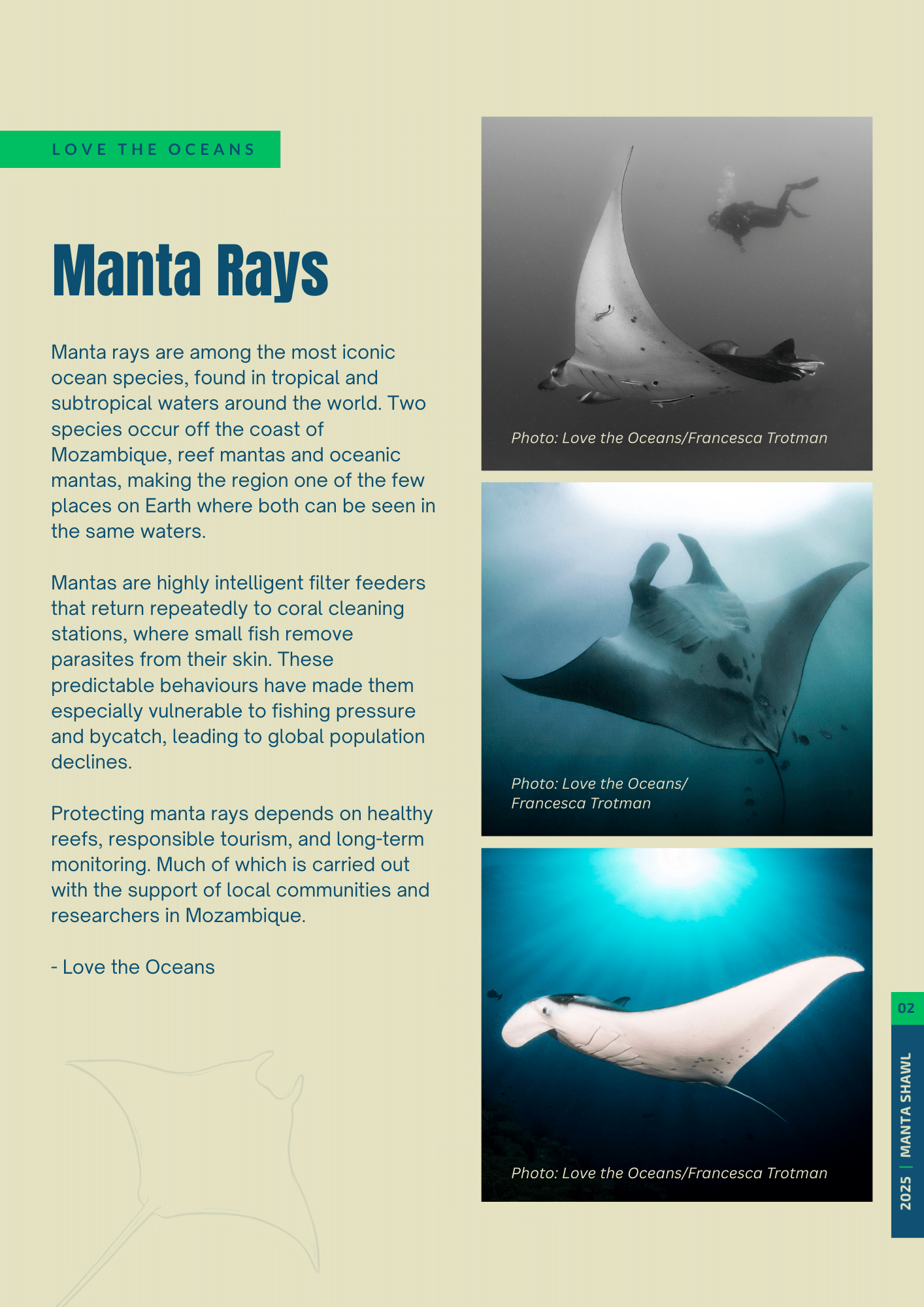
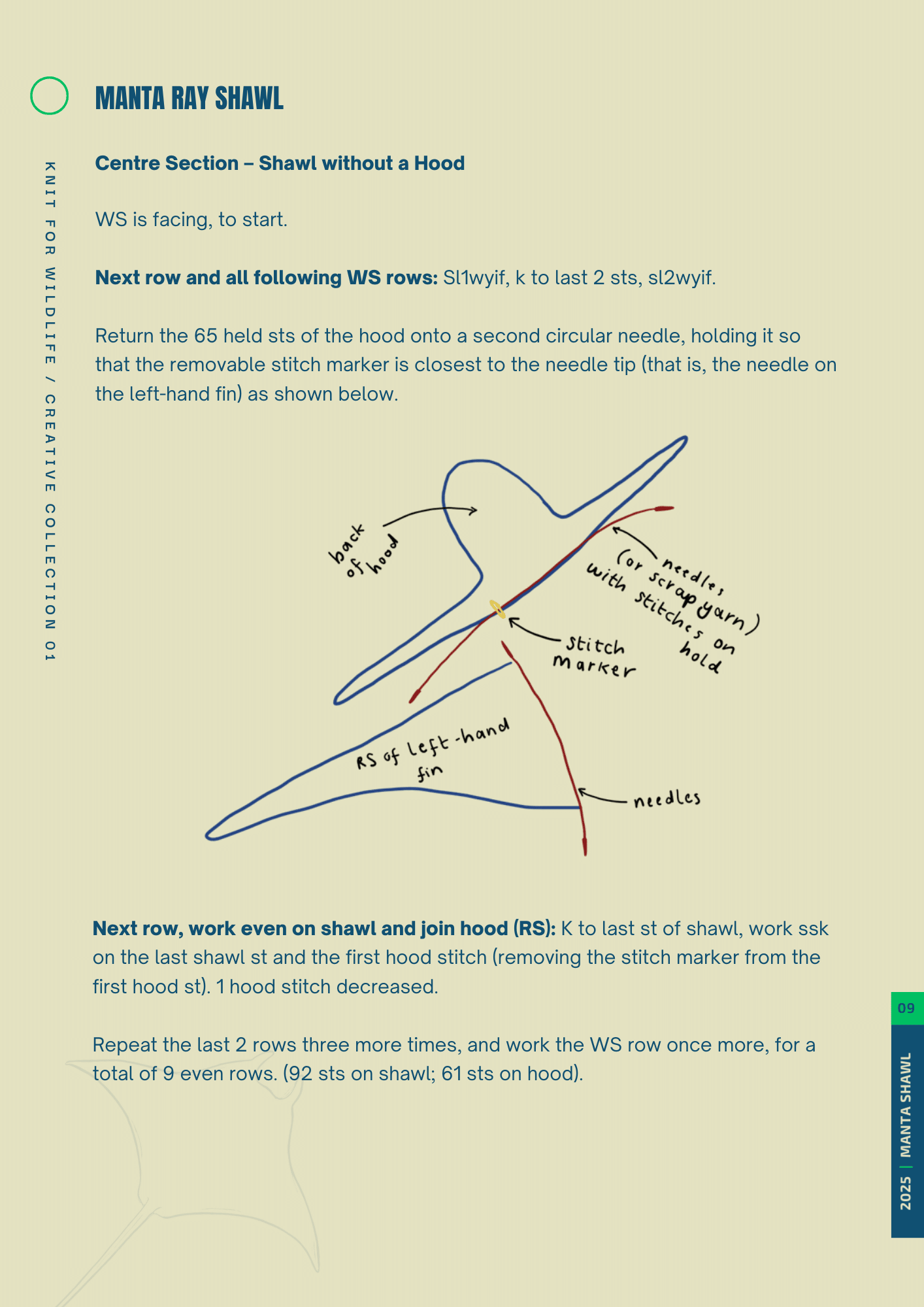
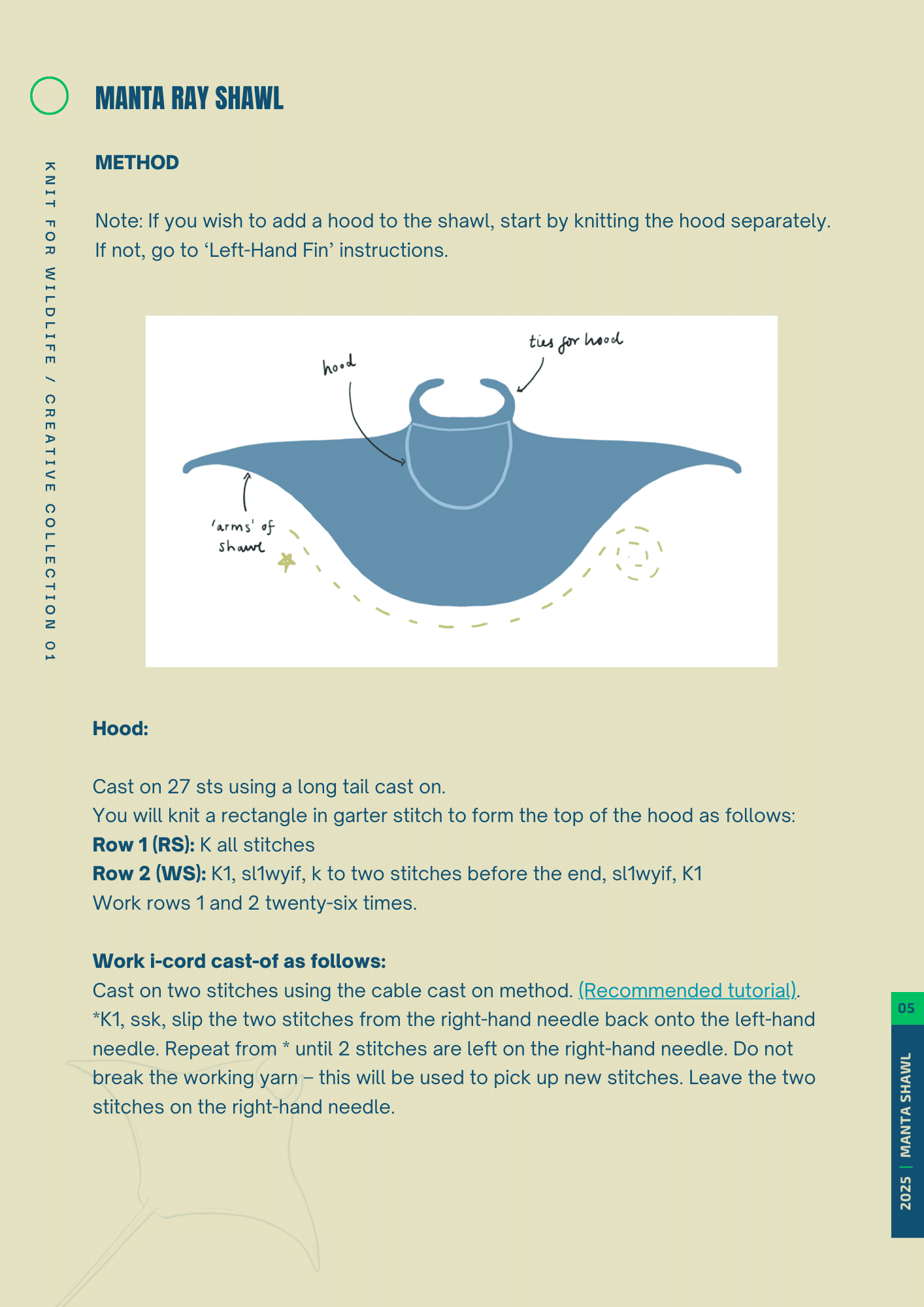
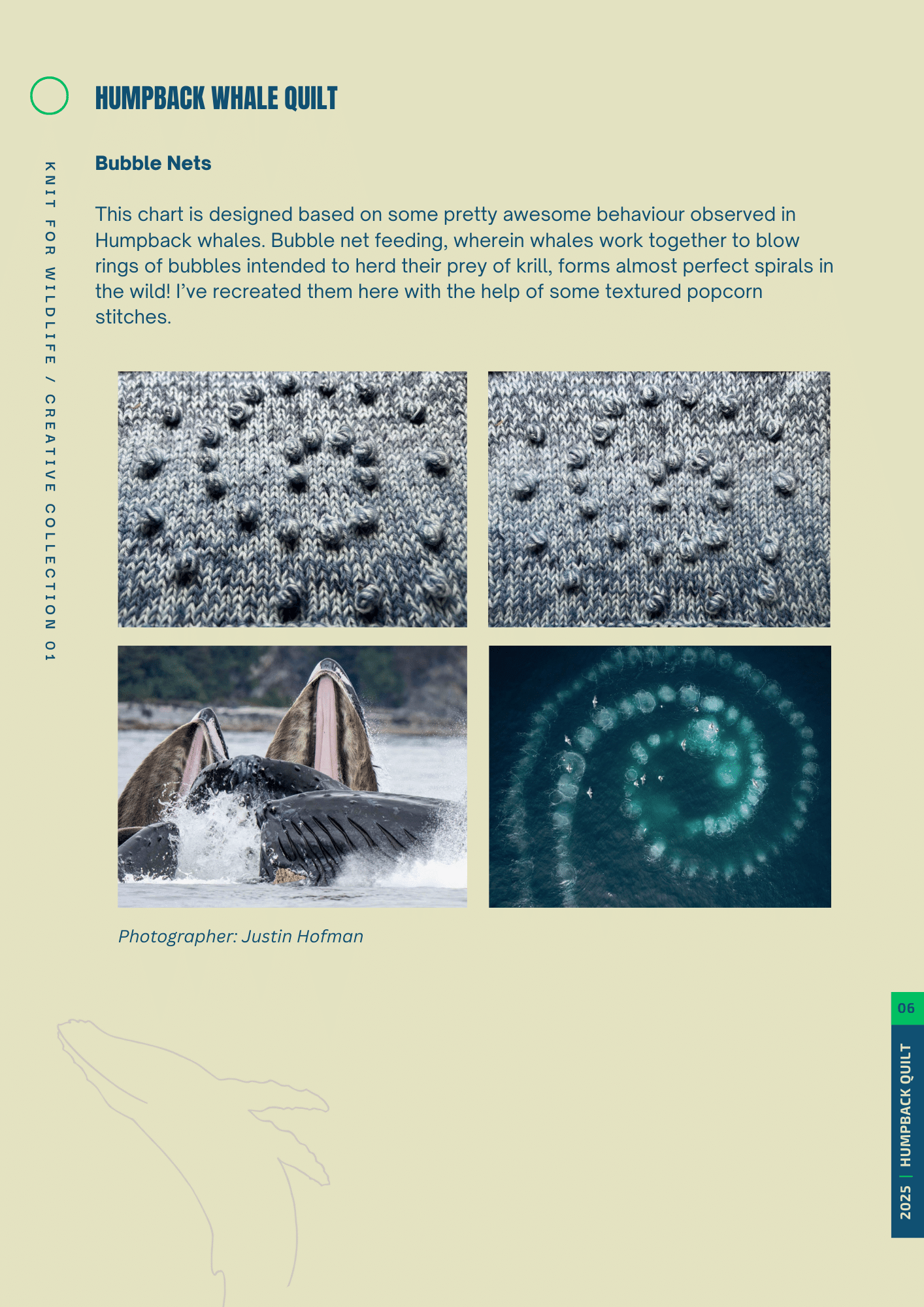
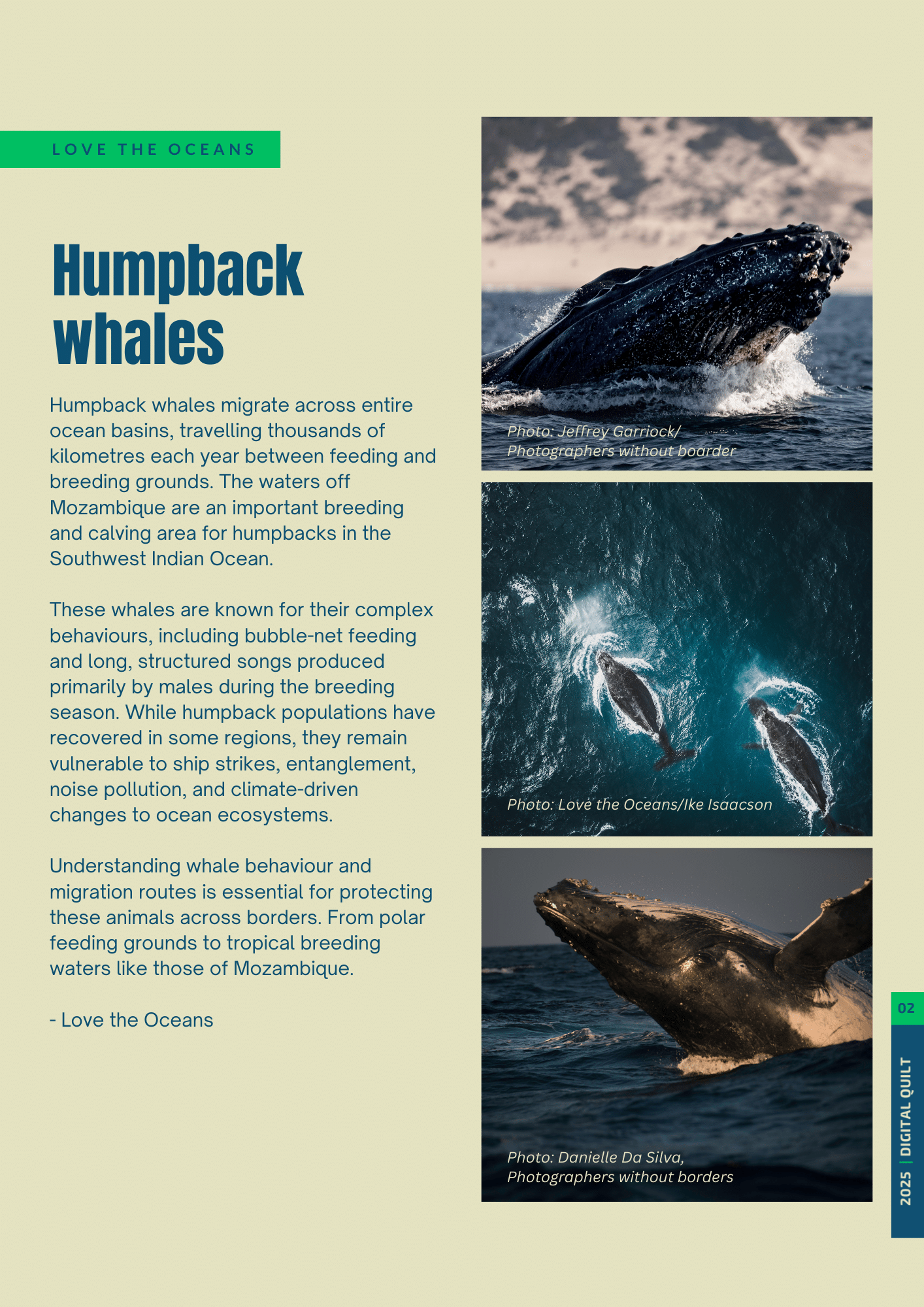
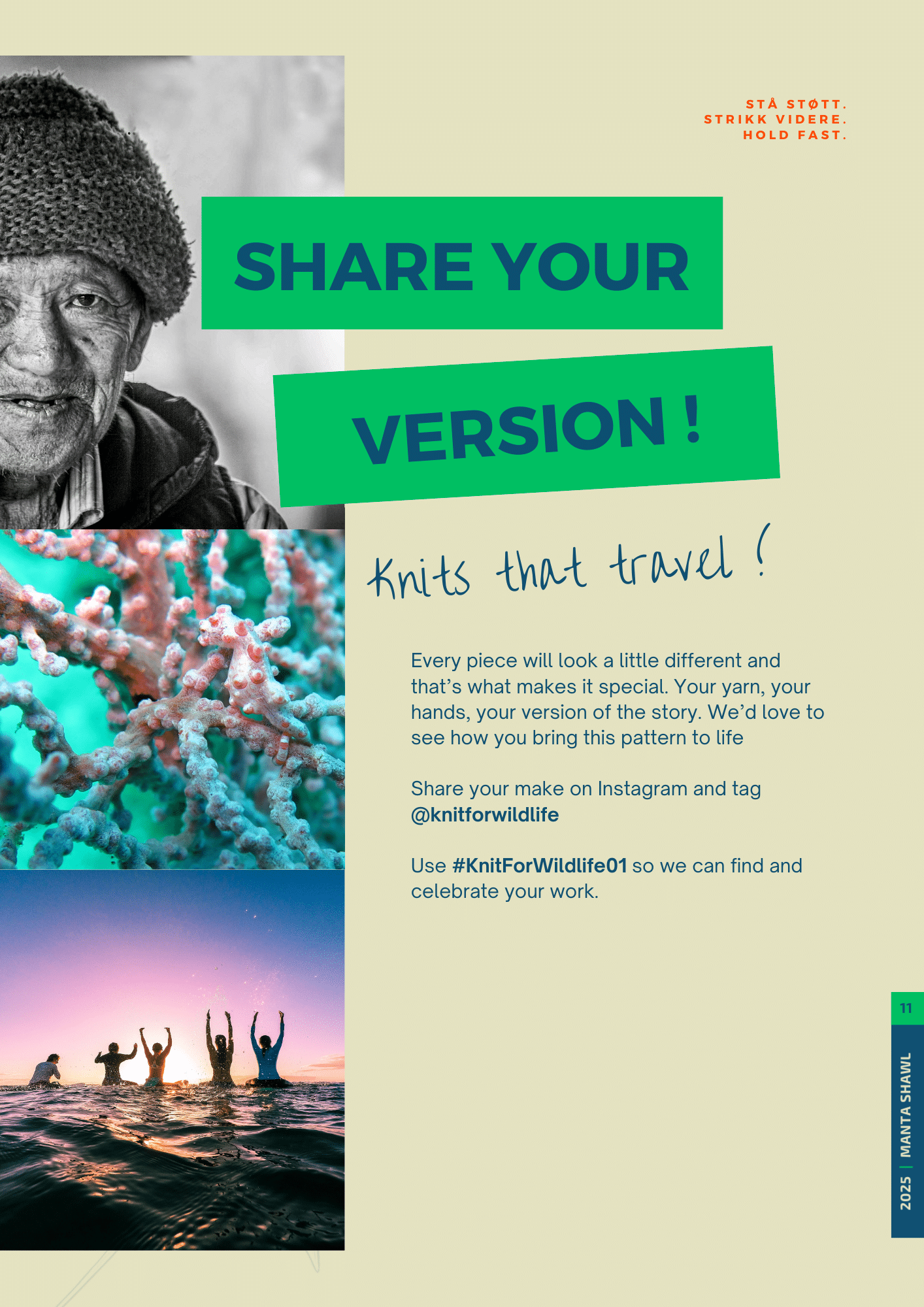
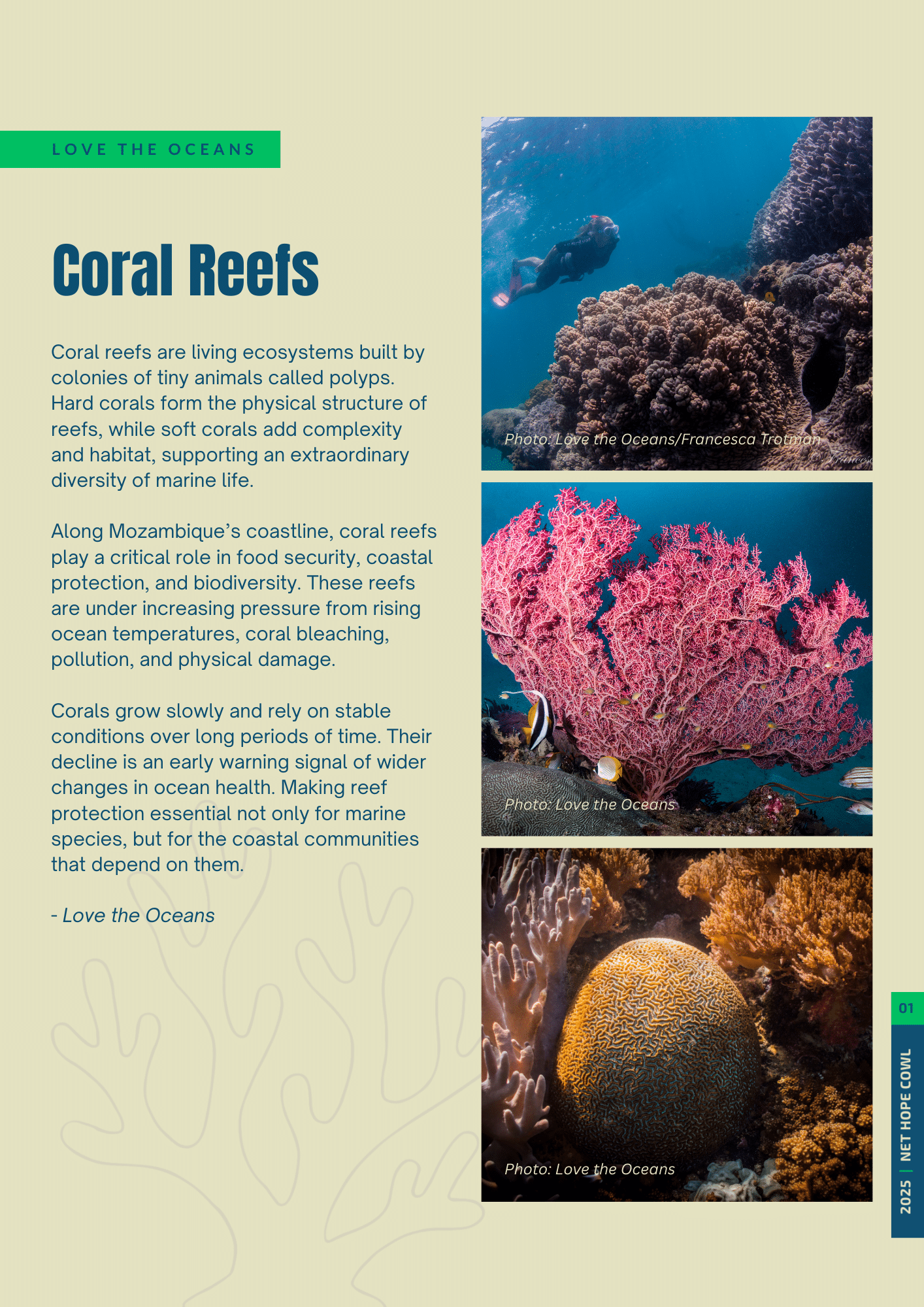
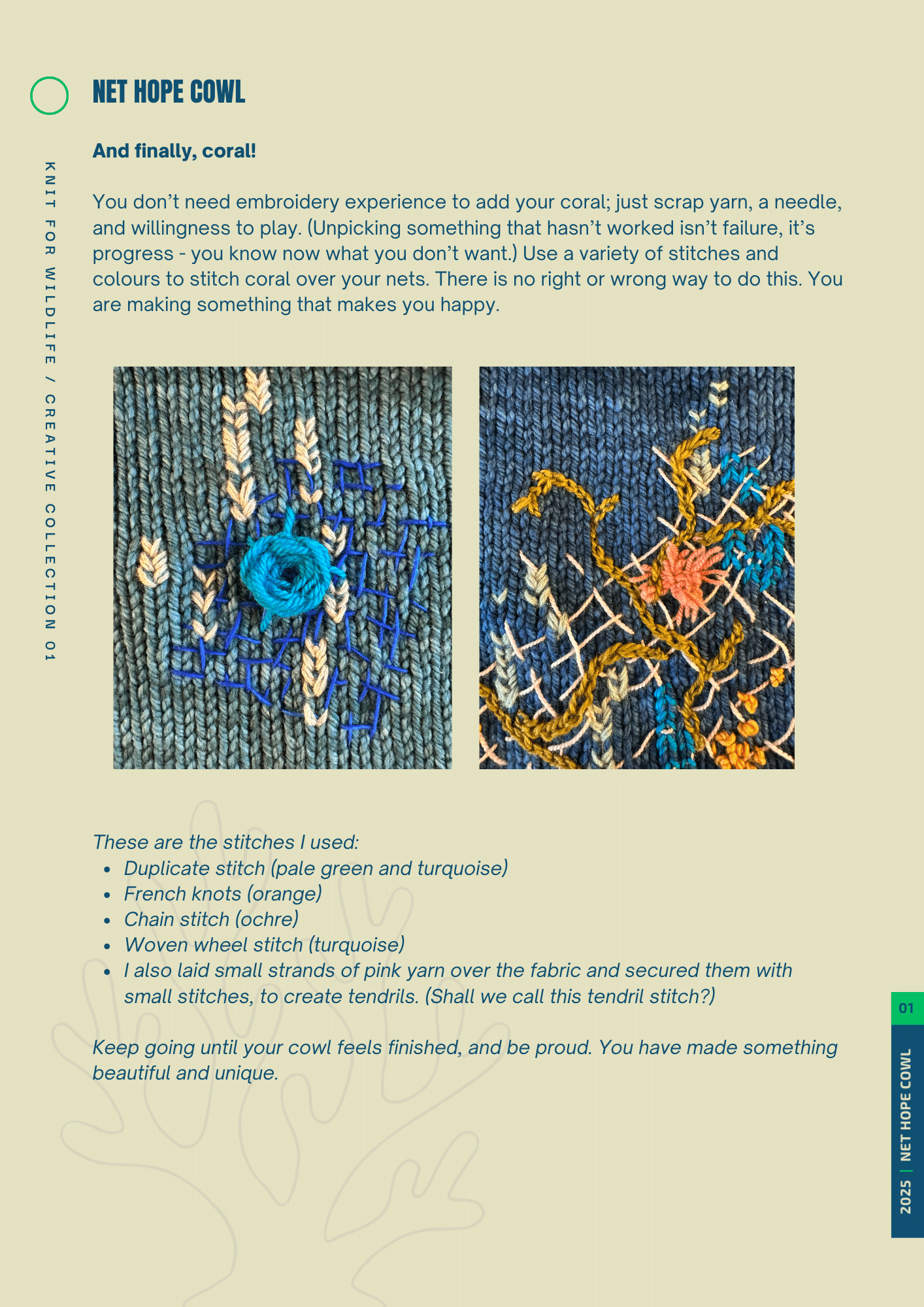
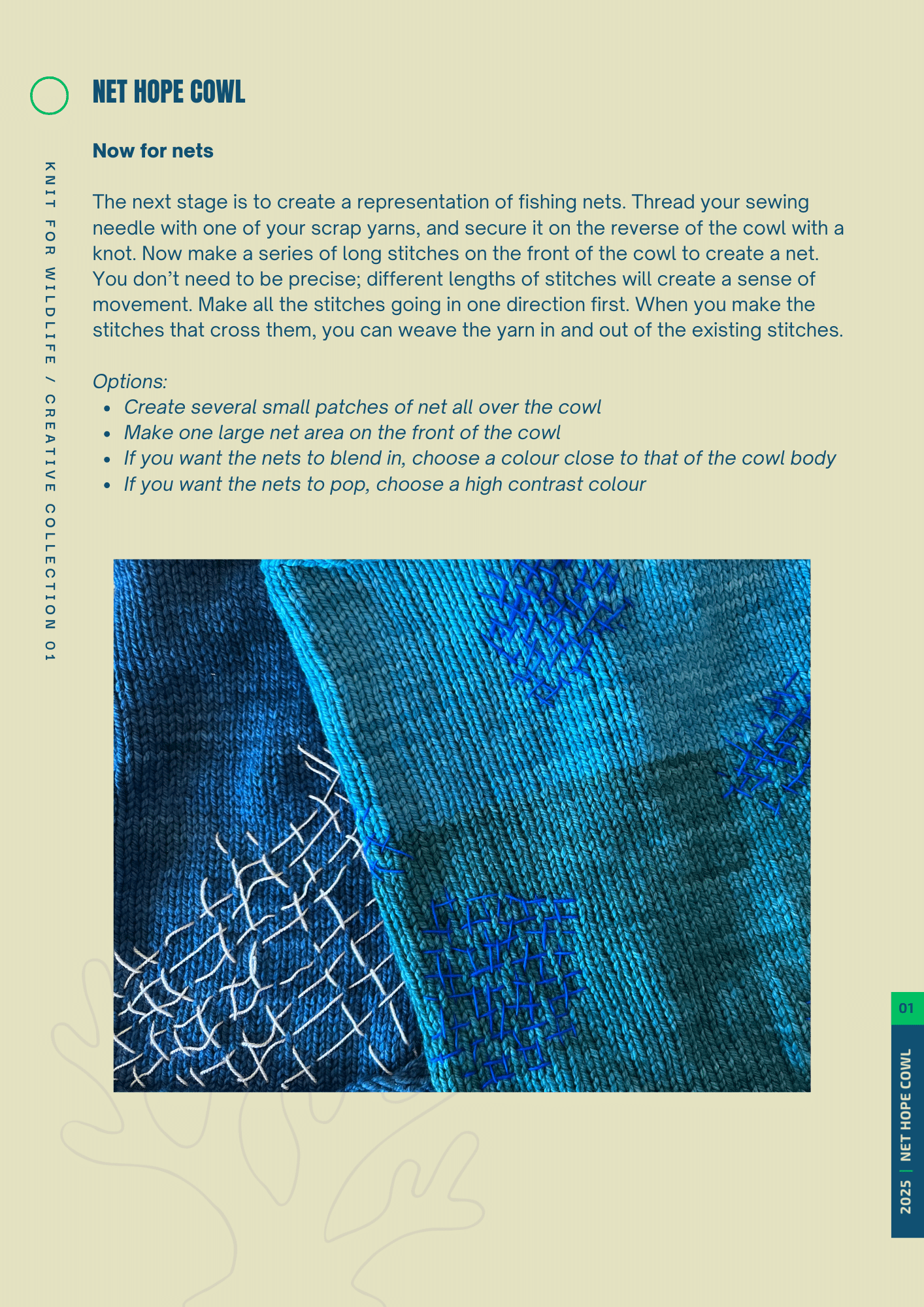
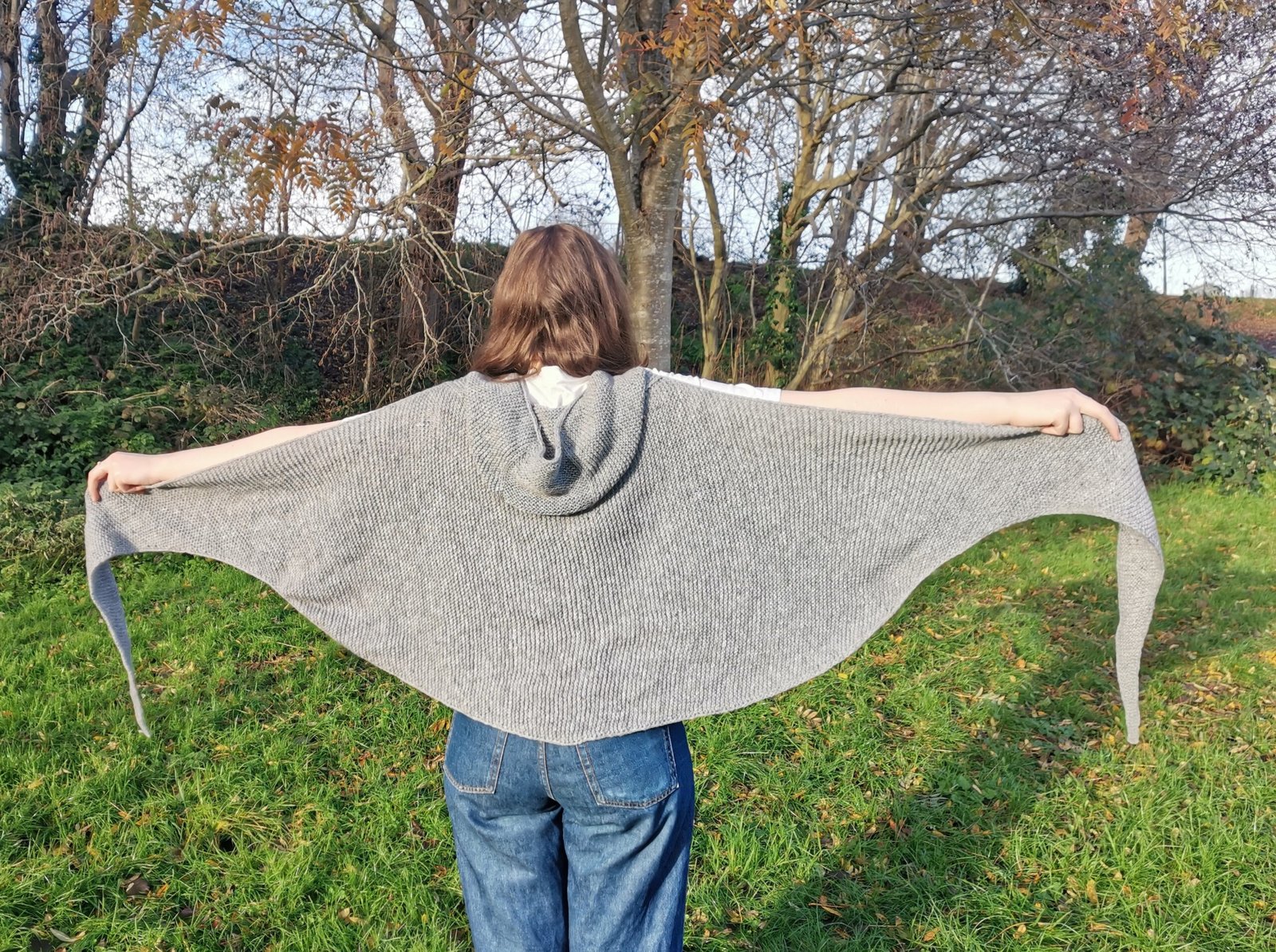
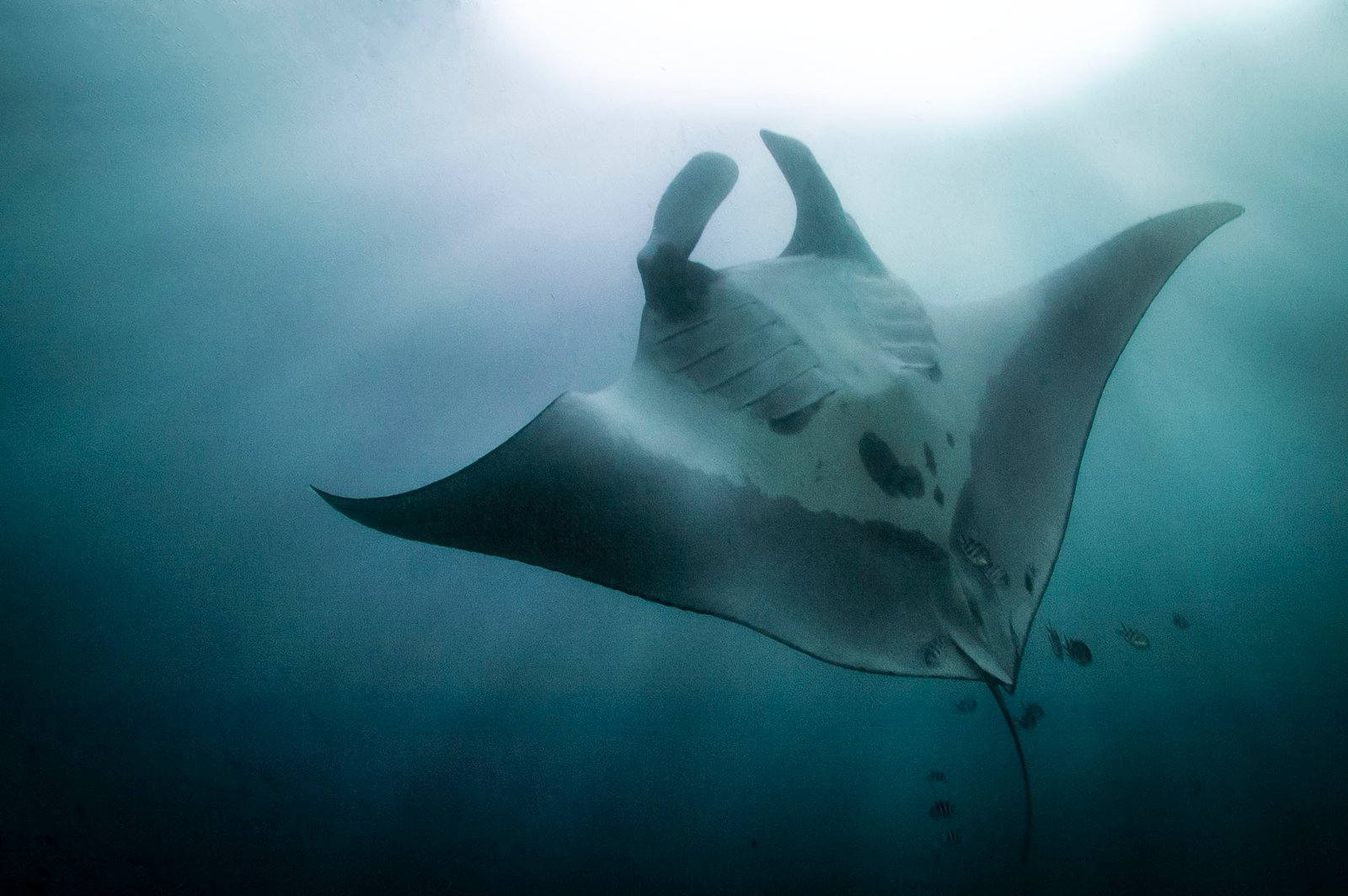
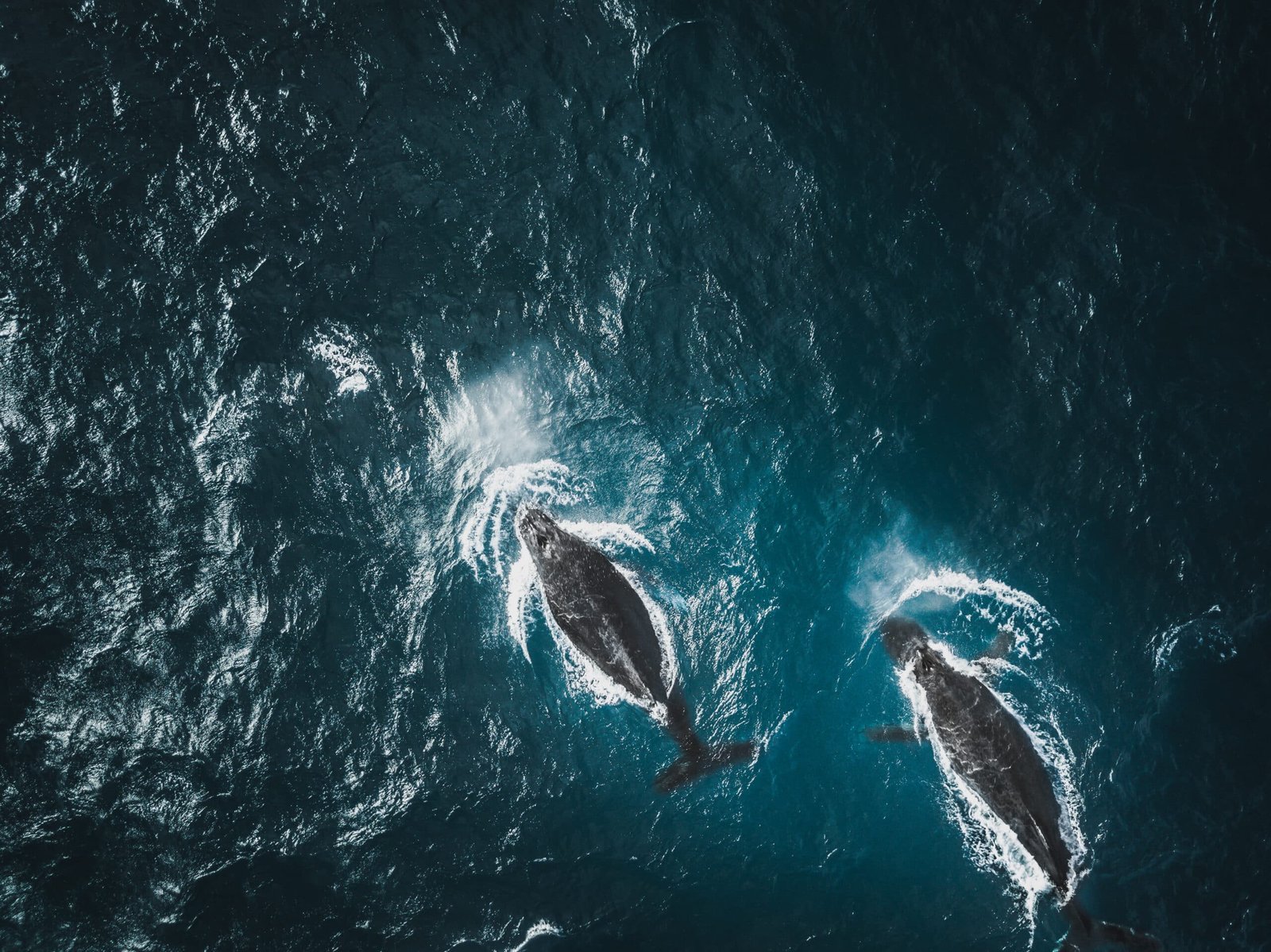
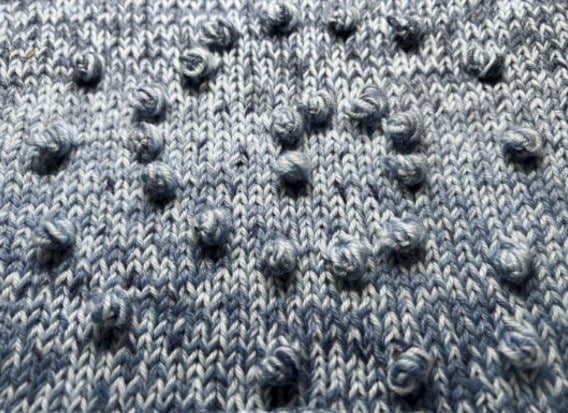
The the 1st cohort desgined a manta shawl, a net hope cowl, and a digital humpback quilt. 

Knitting has always been linked to nature. Fishermen’s sweaters carried wave and net motifs; Sámi traditions included reindeer and mountain symbols; Icelandic patterns mirror volcanic landscapes. Today, these stories merge with wildlife conservation — from coral-inspired lacework to whale-fin cables. Practical tip: Try adapting a traditional motif into a wildlife-inspired variation. For example, transform a classic diamond cable into a sea turtle shell, or use stranded colorwork to depict migrating birds.

Social Media Knitting

#Knittok has passed 2 billion views. Imagine if the next viral pattern carried a wildlife story.

The Red Beanie

First made famous by Jacques Cousteau, later revived in Wes Anderson’s The Life Aquatic with Steve Zissou, the red knit hat has become a global symbol of ocean exploration. One simple piece of knitwear turned into a cultural icon.
WEAR AND SHARE

POPCULTURE
Knitting renaissance.

When a story travels through fashion, music, film, or craft, it becomes part of who we are. Think of Jacques Cousteau’s red beanie: More than a hat, it became a cultural symbol of ocean exploration. Knitwear has that power. By linking wildlife stories to what people already wear, share, and celebrate, we make conservation visible in cafés, knitting clubs, and Instagram feeds

Iconic Knits in Culture

Knitting has always been more than wool and stitches. It’s identity.

  • Fisherman’s sweaters from Lofoten, Iceland, and the Faroes once meant survival at sea. Today they reappear on catwalks and in streetwear as bold heritage statements.

  • In 2021, Olympic athletes went viral knitting between competitions. A quiet act that signaled focus, resilience, and humanity.

  • The famous red beanie of Cousteau turned knitwear into a global icon for ocean adventure.

When knitwear enters the cultural spotlight, it shapes how we see ourselves. Wildlife-inspired knitting is the next step: Patterns and motifs that remind us we’re part of the same fabric as seabirds, whales, and reefs.

Trends Today

Knitting has gone through a renaissance. TikTok and Instagram have turned #knittok and #slowfashion into global movements, reaching millions. Hand-made garments are trending because they push back against fast fashion, offering mindfulness and personal style in one. Nordic and Atlantic knit patterns, once purely functional, are back, worn proudly from Brooklyn cafés to Berlin galleries.

This cultural current is already moving fast. Knit for Wildlife plugs directly into it, adding a missing link: Conservation. Instead of knitting only for aesthetics, we knit for stories. For seabirds on the edge, for ecosystems under stress, for resilience worth celebrating.

Research Spotlight

Academic research confirms what knitters already know: Craft builds resilience. Counting stitches and following patterns improve focus and memory. Group knitting reduces stress, builds community, and creates belonging. But there’s more. Studies in cultural communication show that shared creative practices, like knitting circles or TikTok knitting challenges, spread ideas faster than facts and figures.
That’s why knitting can be a serious tool for conservation. When stories are woven into knitwear, they don’t stay trapped in a report. They travel, they trend, and they stick.

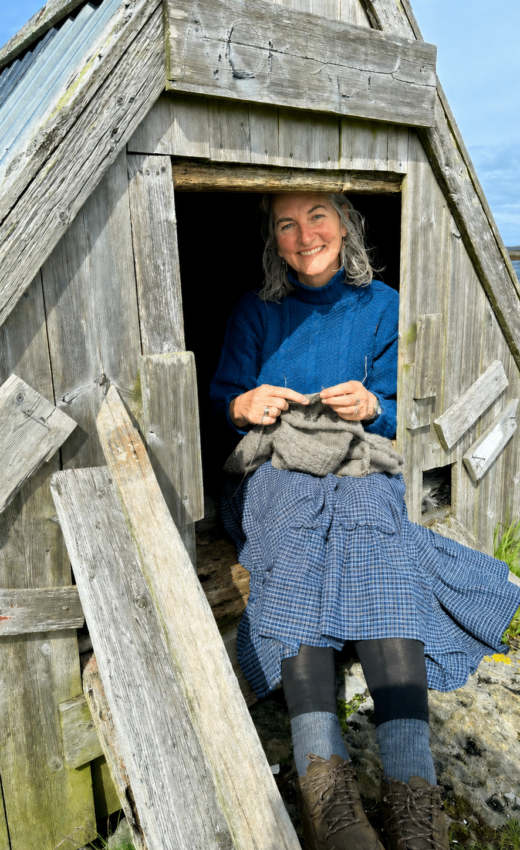
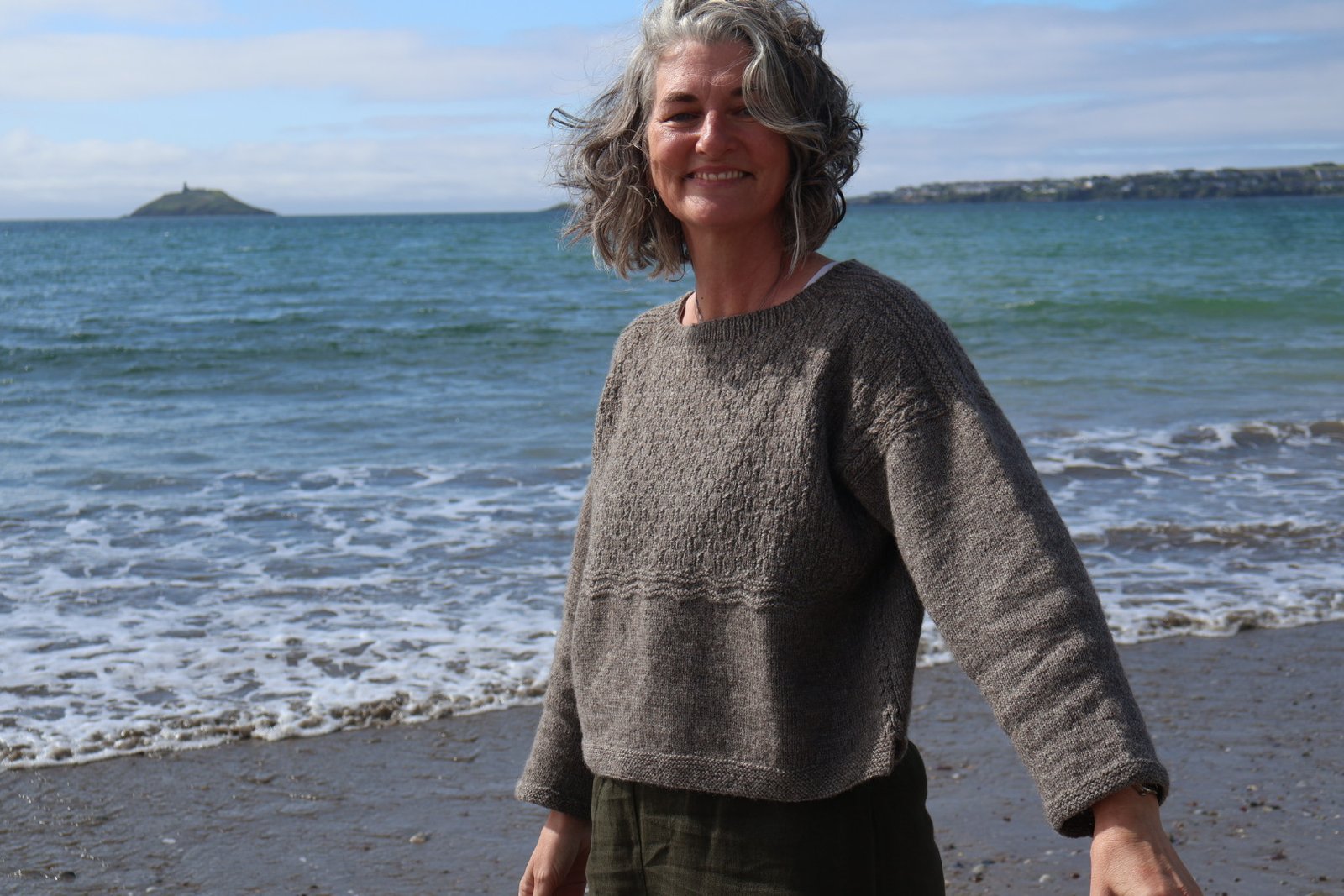
Une Cecilie Oksvold is a knitwear designer, author, and communicator with a special focus on how creativity, handicraft, and nature can support mental health. She works with colorful knitting in nature as both a form of expression and a tool for coping, drawing on her own experiences with mental health.

HFX MITTENS

Inspired by the Lofoten fishermen and the tattooed mantra Hold Fast, the mittens are a cultural remix with a purpose. Pattern for free. 

1.

Free for All

Support should not be exclusive

2.

#holdfastxKNIT

Show your mittens

3.

Gift a mitten

Make one. Give it away.

4.

Pass it on

Because support should travel.