



Block
POWERED BY KNITTERS
where yarn meets
The Wild

Lorem ipsum dolor sit amet, consectetuer adipiscing elit. Aenean commodo ligula eget dolor. Cum sociis natoque penatibus et magnis dis parturient montes, nascetur ridiculus mus.

FEATURED MENTORS
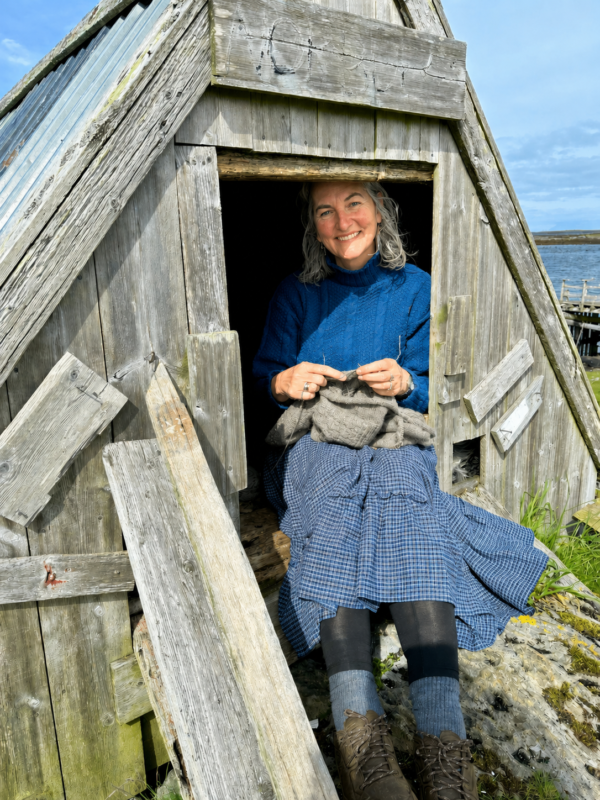
Kate
Atherley
Jessica Hemmings
Lena Fagerwing
Block
POWERED BY KNITTERS
Where yarn
meets the wild

We bring stories of vulnerable nature onto the needles. Through collaborative projects and shared patterns, we connect a global community of knitters to protect our oceans and wildlife.

00:00 / 00:00
FEATURED MENTORS
Kate Atherley
Jessica Hemmings
Lena Fagerwing
WE'RE ON

Did you know? A single penguin sweater can take as little as 4 hours to knit. But the project in Australia mobilized tens of thousands of knitters worldwide. The extras were sold to fund conservation.

Fiber fact: Synthetic yarns can shed microplastics. For wildlife projects, 100% natural fibers are the gold standard.

Knitting math: A simple cabled hat can contain over 20,000 individual loops. Each loop depends on the others - a perfect metaphor for ecosystems.
CO-FLOURISH INITIATIVE

KNIT FOR WILDLIFE

Creative action for conservation and community

Whether you are here to download free patterns, master eco-literacy through our lessons, or join our community events, your hands can make a measurable difference.

VALUE CREATION

Knit for Wildlife is an international initiative that  brings together knitters, scientists, and communities to address environmental challenges through creative projects.

Each initiative is linked to a specific cause or location, with valuable outcomes for both people and the environment.

POP CULTURE

We bring wildlife into pop culture and everyday life. Through open-access patterns, limited editions, and collaborations with influencers, brands, and knitting communities. The goal is to make conservation relevant in people’s daily lives.

Breaking Barriers to Eco-Literacy

Open-Access Pattern Library

We believe that knowledge and conservation shouldn't be locked behind a paywall. Every pattern created during our residencies is completely free to the public. They are literacy tools. Embedded within the rows are field notes, species facts, and conservation stories. When someone asks about your finished knitwear, you don't just talk about the yarn; you share the story of a species.

Launching mid July:

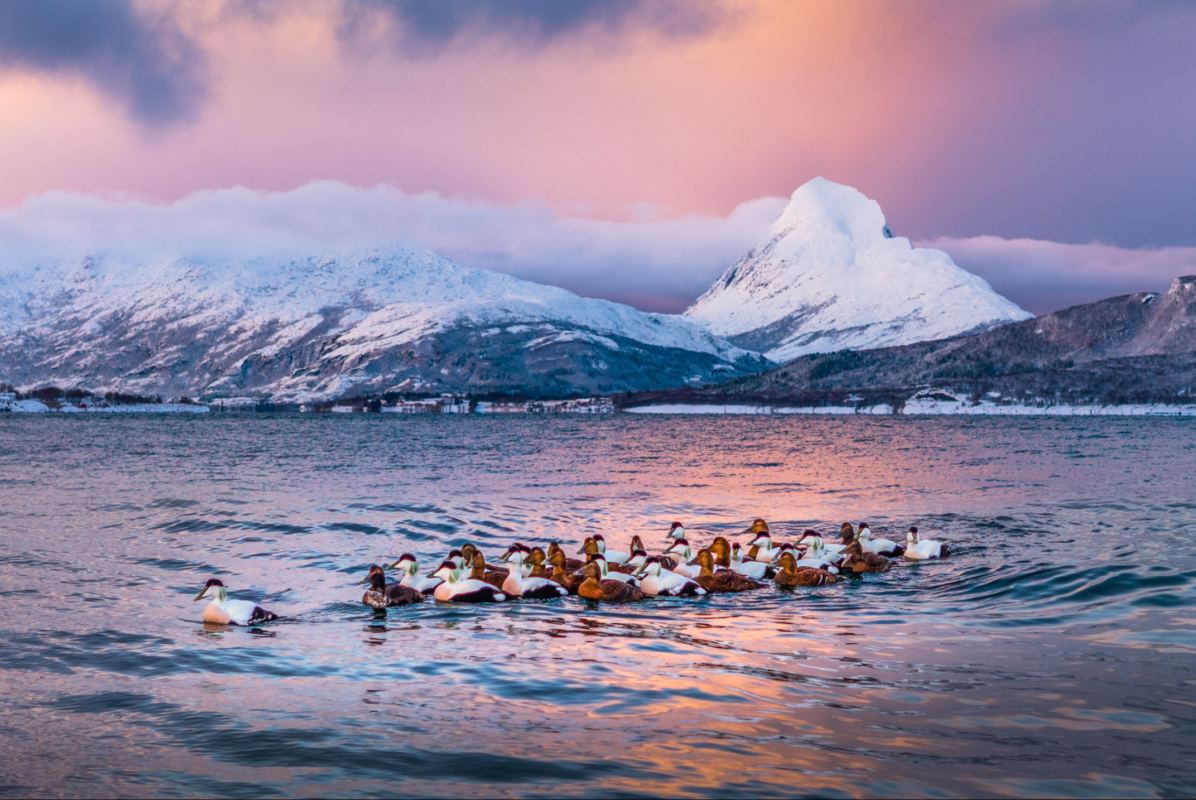
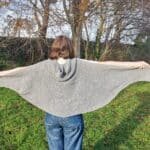
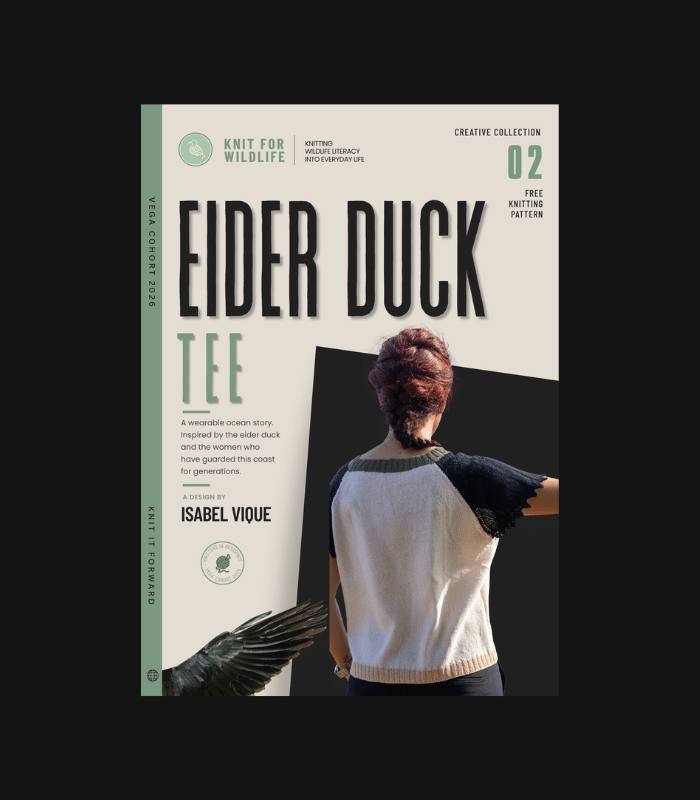
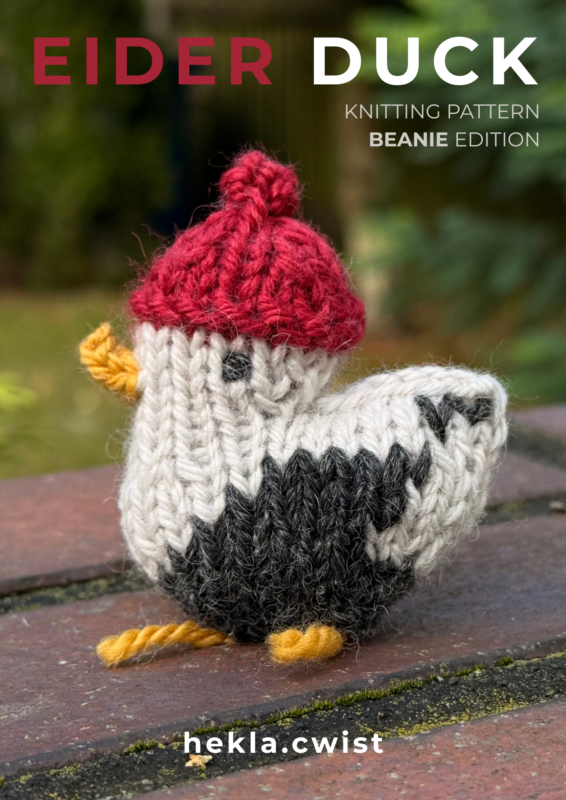
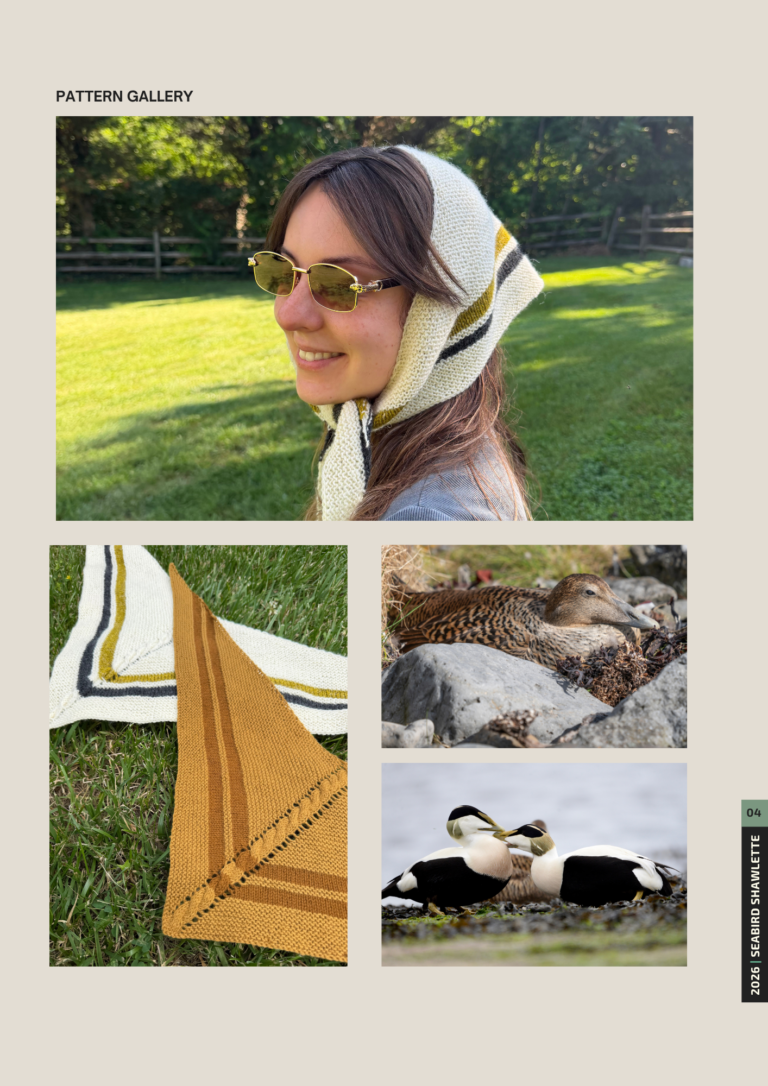
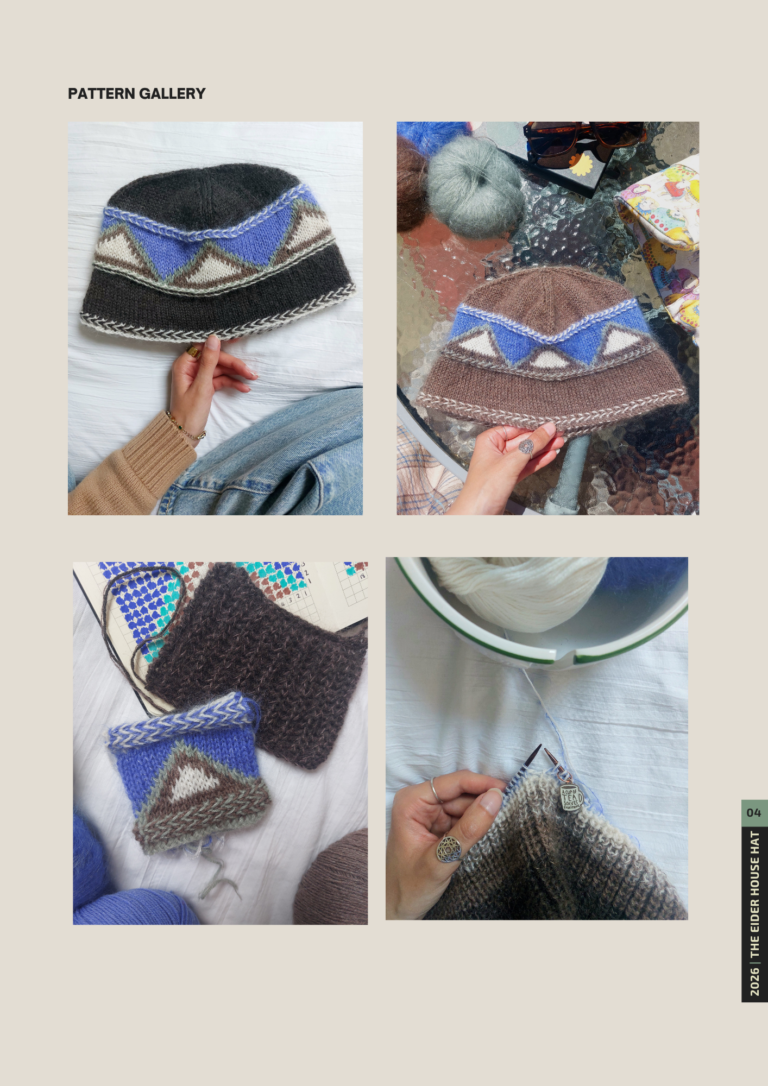
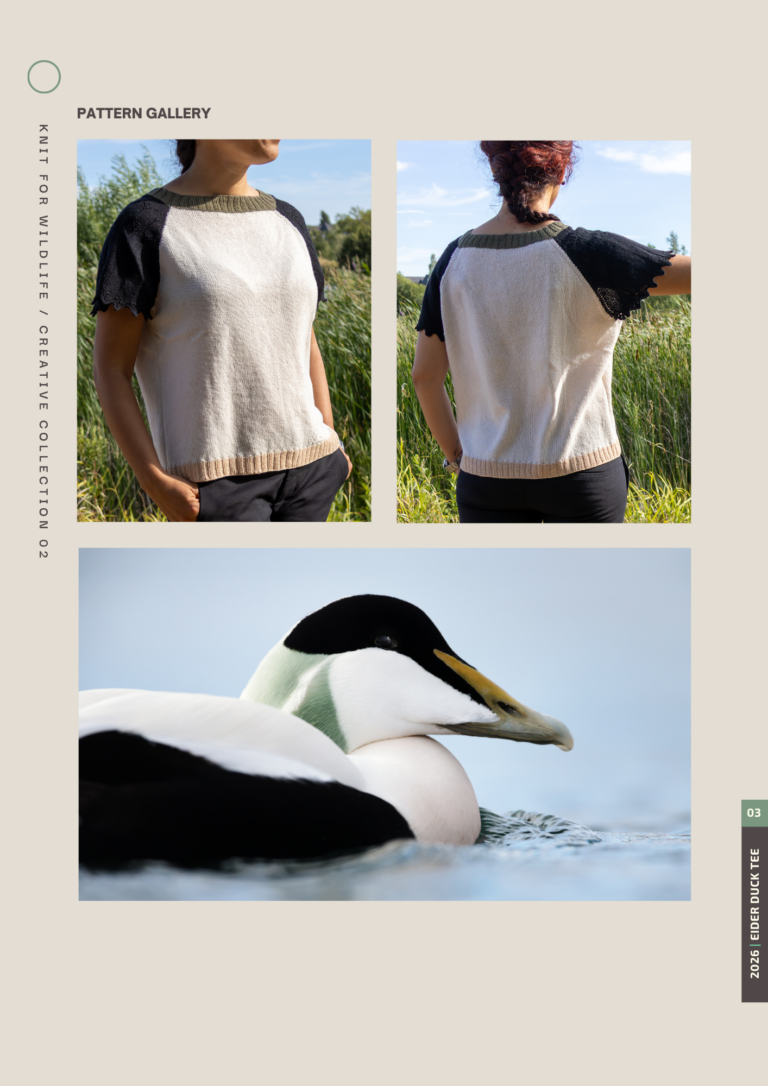
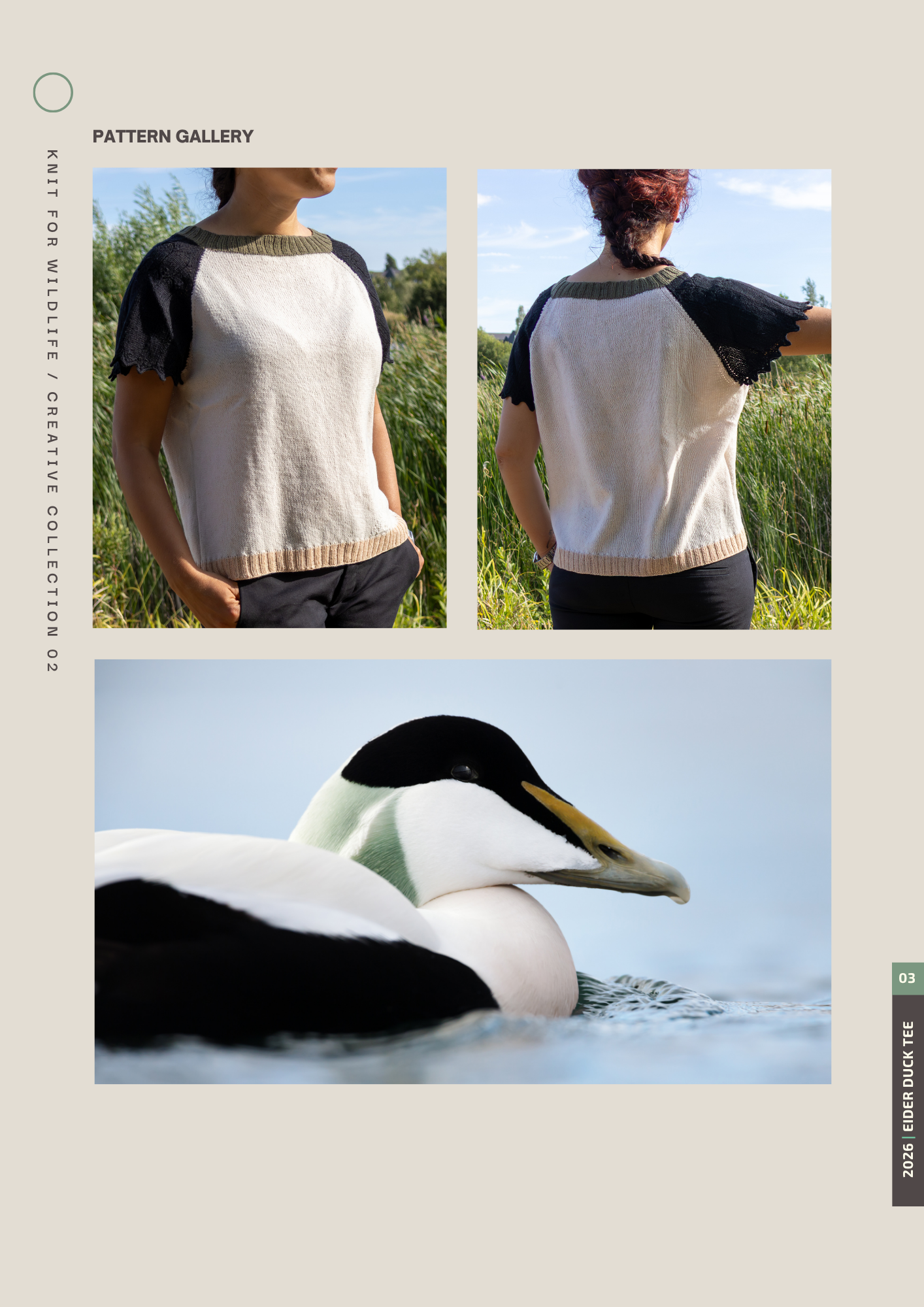
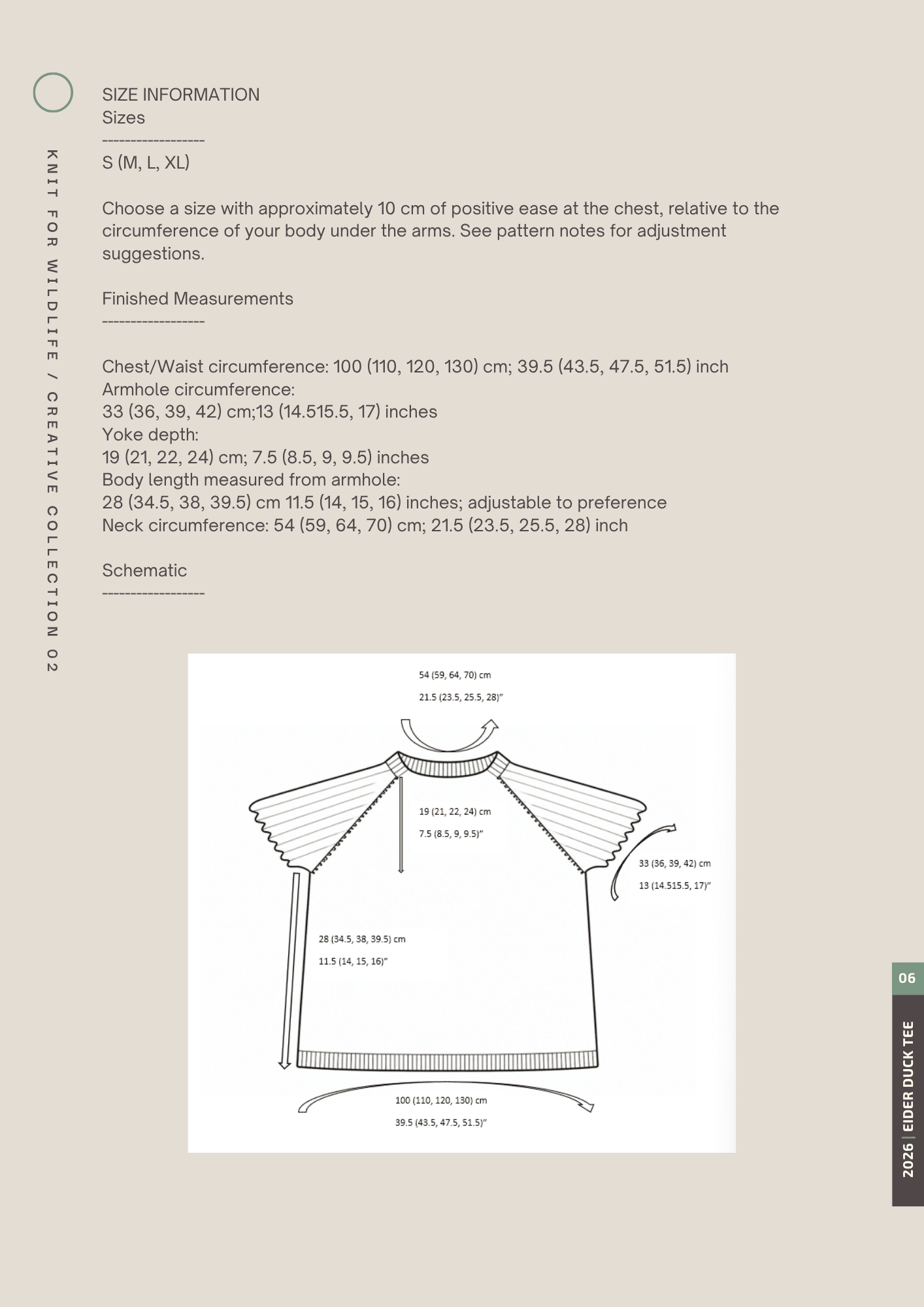
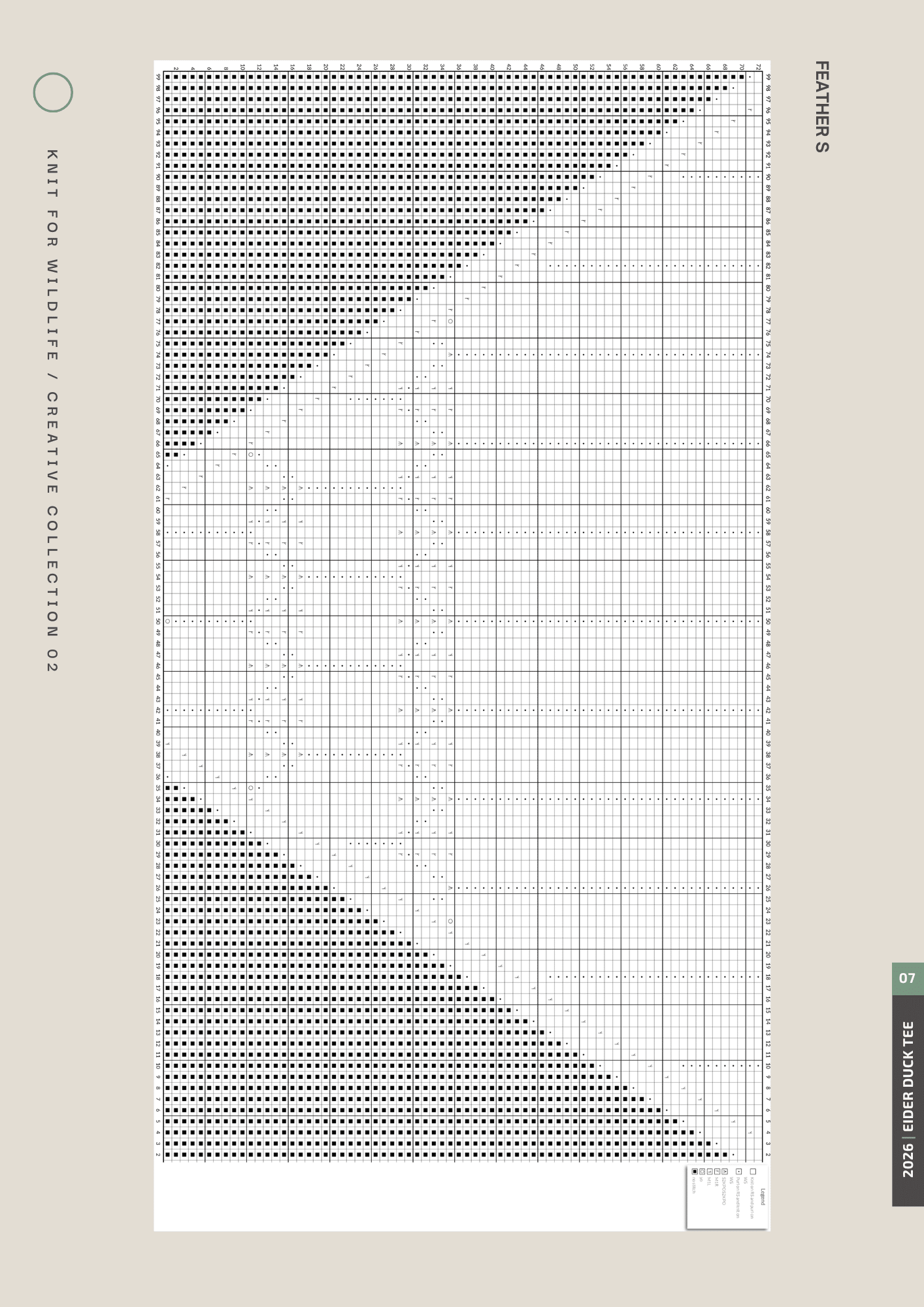
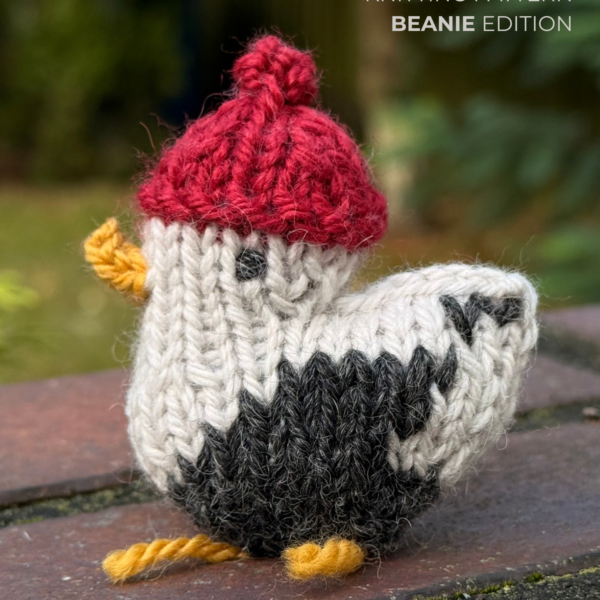
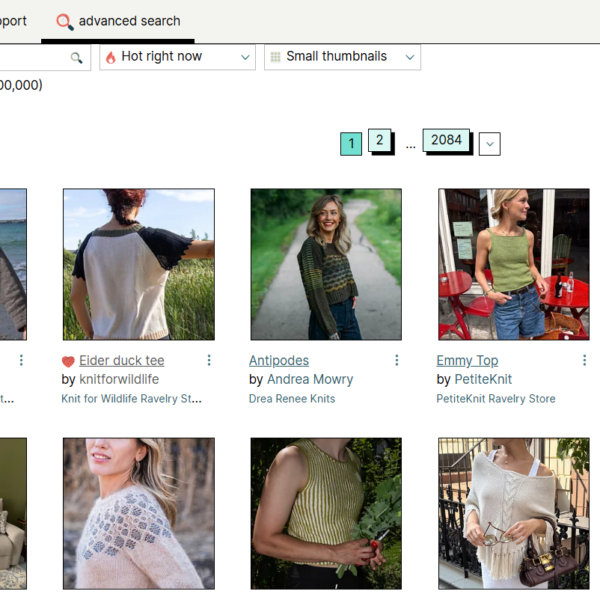
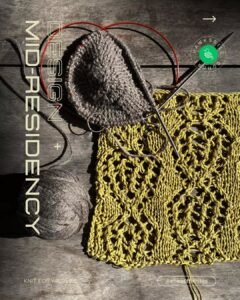
The current cohort is designing a kerchief, bird tender sweater, beanie, adaptable scarf, and an eider duck tee. Open-access pattern releases mid July.

KICK OFF DURING OAW

THIS IS A SOFT-LAUNCH

The whole site will launch mid July.

0 days 00 hr 00 min 00 sc
PILOT 2025

KNITTERS IN RESIDENCE
From Field Research to Wearable Stories

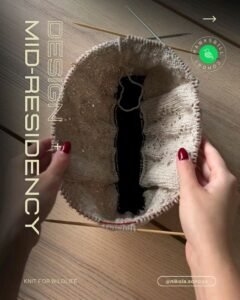
The Knitters-in-Residence program is the creative heart of our initiative. We invite passionate knitters into a fully funded, immersive 3-month residency where science meets the needle Residents spend twelve weeks embedded with wildlife biologists, field researchers, and environmental educators. They study specific endangered species or threatened habitats and translate raw scientific data into beautiful, narrative-driven knitwear. The ultimate goal? To produce a unique design that is gifted directly to our open-access library.

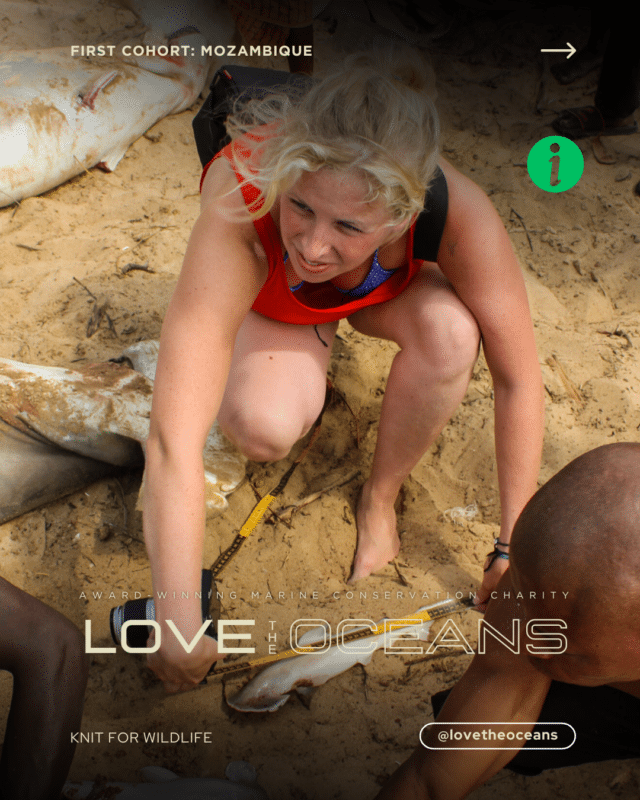
The first cohort launched in October 2025, linked to a Hope Spot in Mozambique in collaboration with Love the Oceans

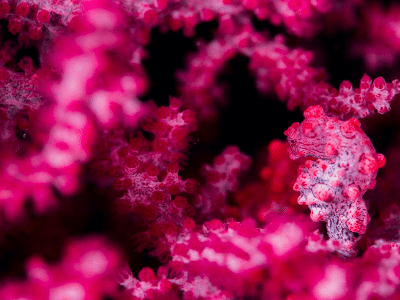
Photographer: Kaushiik Subramaniam

Love the Oceans
Love The Oceans’ end goal in Mozambique is to support the community in establishing a Marine Protected Area in the Inhambane Province, using a bottom-up, community-led approach through research, education and diving.
Love the Oceans Love the Oceans is a non-profit marine conservation organisation supporting Jangamo Bay. Jangamo Bay, whilst home to a huge host of marine life, has never been studied in depth for any prolonged amount of time. Love The Oceans is supporting the community in protecting and studying the diverse marine life found here, including many species of sharks, rays and the famous humpback whales. We use research, education and diving to drive action towards a more sustainable future. Our ultimate goal is to establish a Marine Protected Area for the Inhambane Province in Mozambique, achieving higher biodiversity whilst protecting endangered species.

Local Biodiversity

Mozambique’s coastline is home to one of the richest arrays of marine life in the Indian Ocean. From humpback whales to whale sharks. Conservation here isn’t abstract; it’s about protecting species that migrate through waters used daily by local fishing communities.

Impact Report

READ

Community & Conservation

Love the Oceans trains local fishers in sustainable techniques, reducing bycatch and protecting juvenile fish. Residency knitters will learn these stories firsthand, weaving them into designs that echo balance, survival, and interdependence.
KNITTERS IN RESIDENCE

Our Experience

What are knitters say, after working with different causes. 

Knitters in Residence

Cohorts

We choose 2 causes/themes per year. 

Free!

Love the Oceans: Mozambique

Our pilot in 2025 was in collab with Love the Oceans. Knitters were; Libby Rush, Eddie Corney and Stephanie Butland.

Vega world heritage

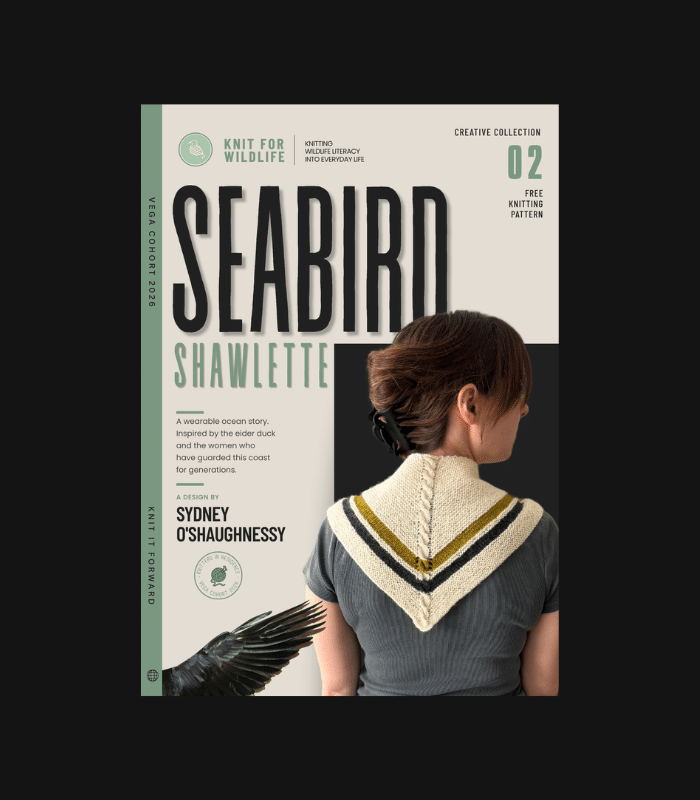
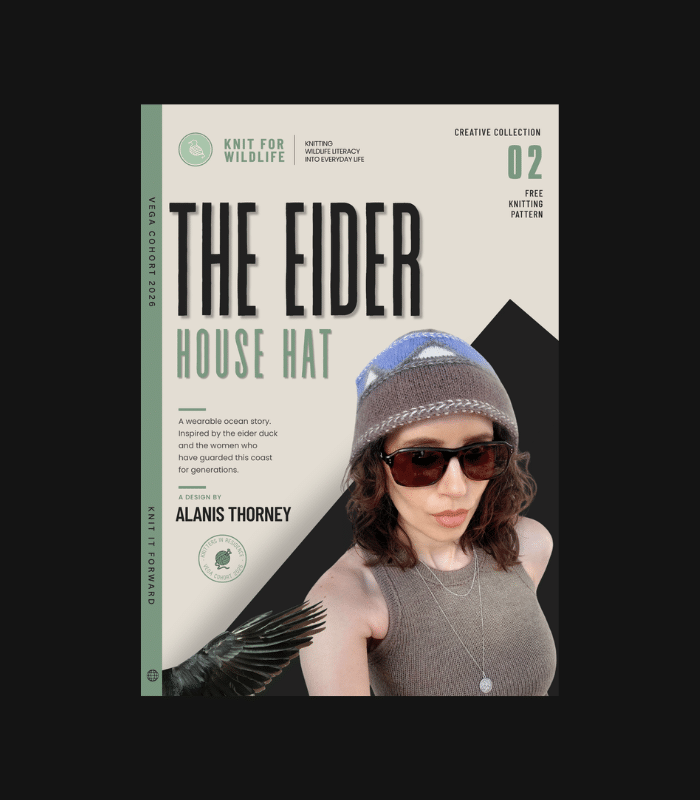
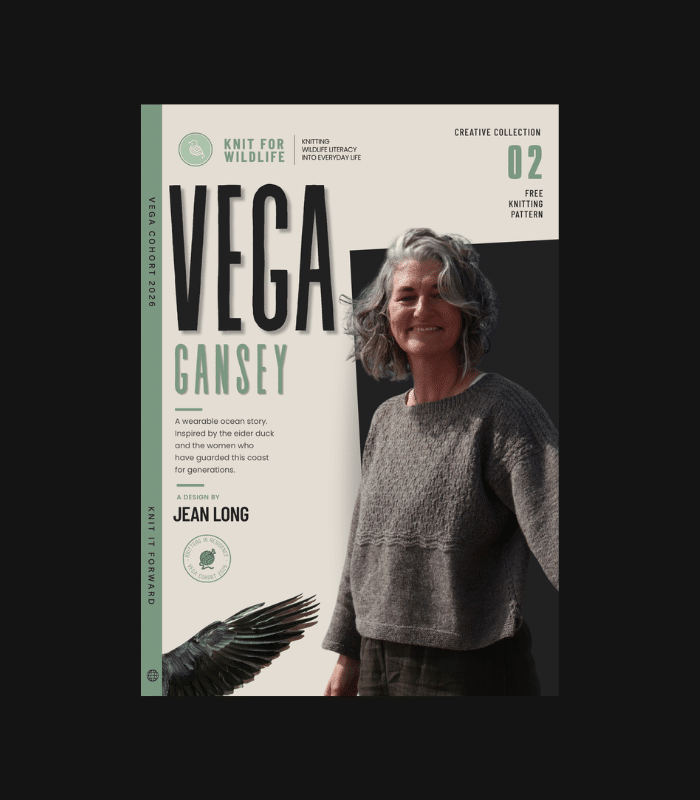
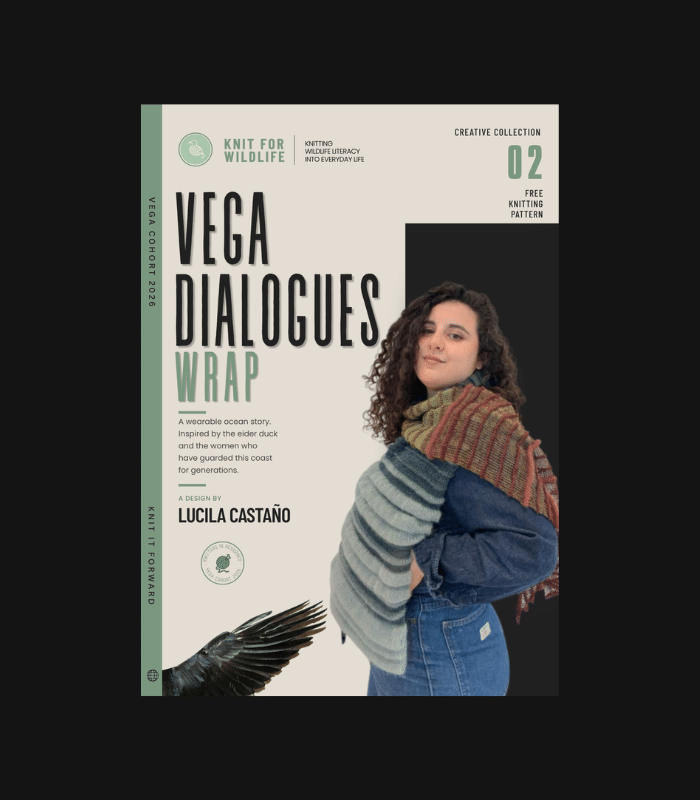
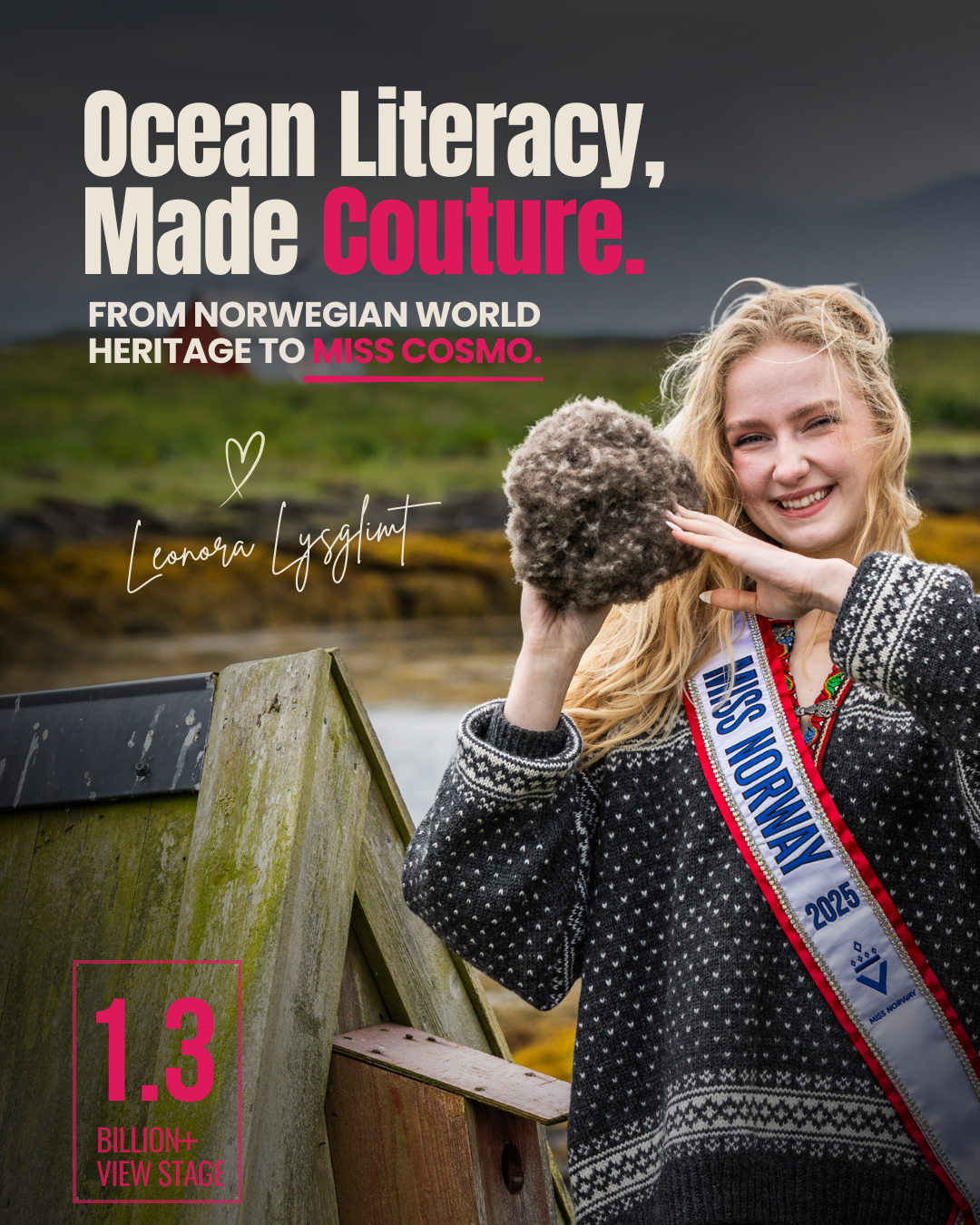
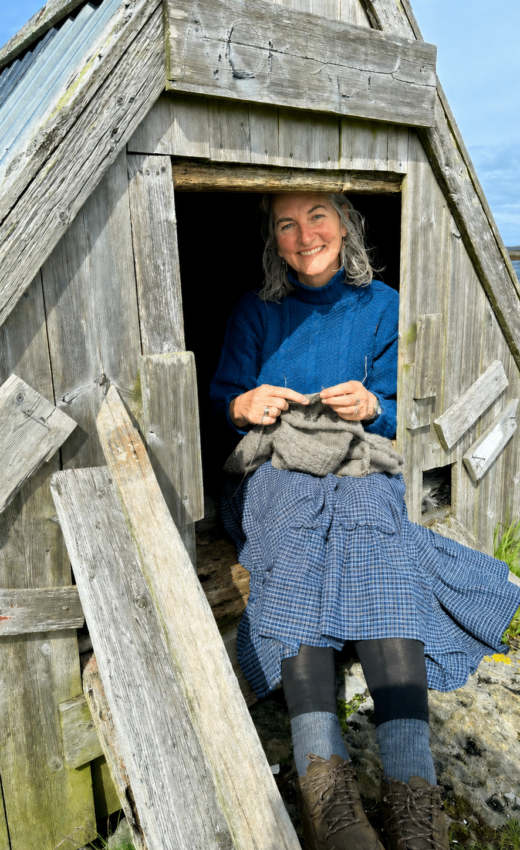
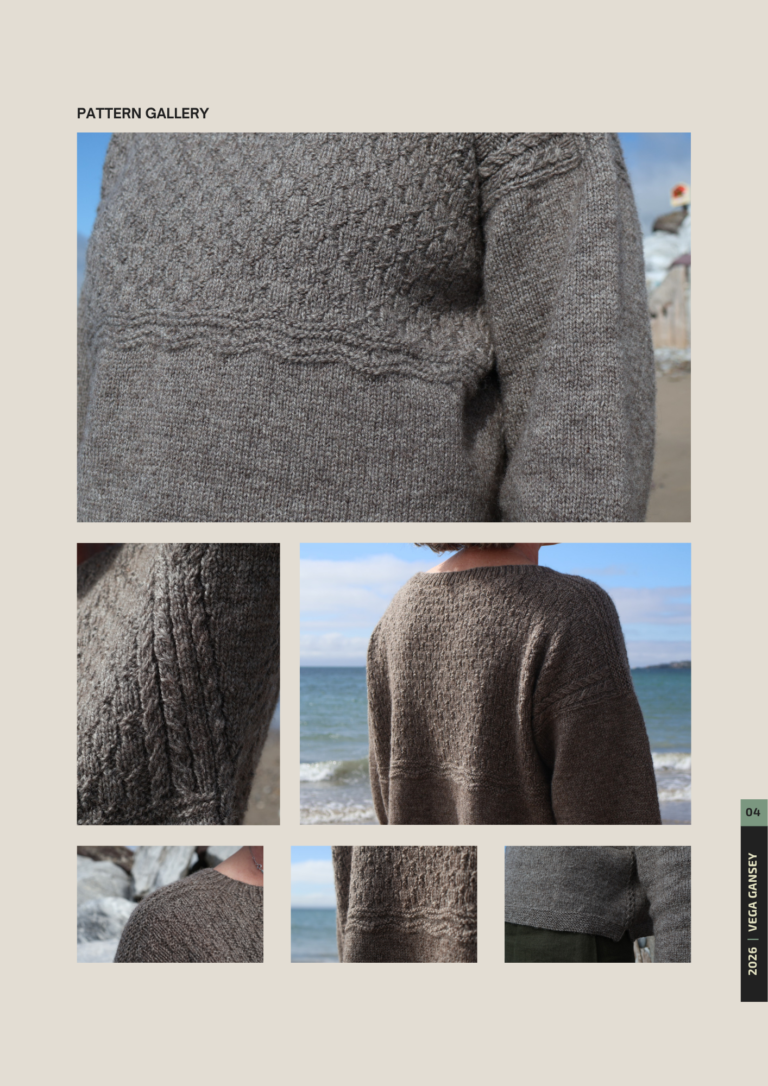
The 2nd cohort focused on Vega world heritage and seabird decline. Knitters are Lucila, Sydney, Jean, Alanis, Isabel.

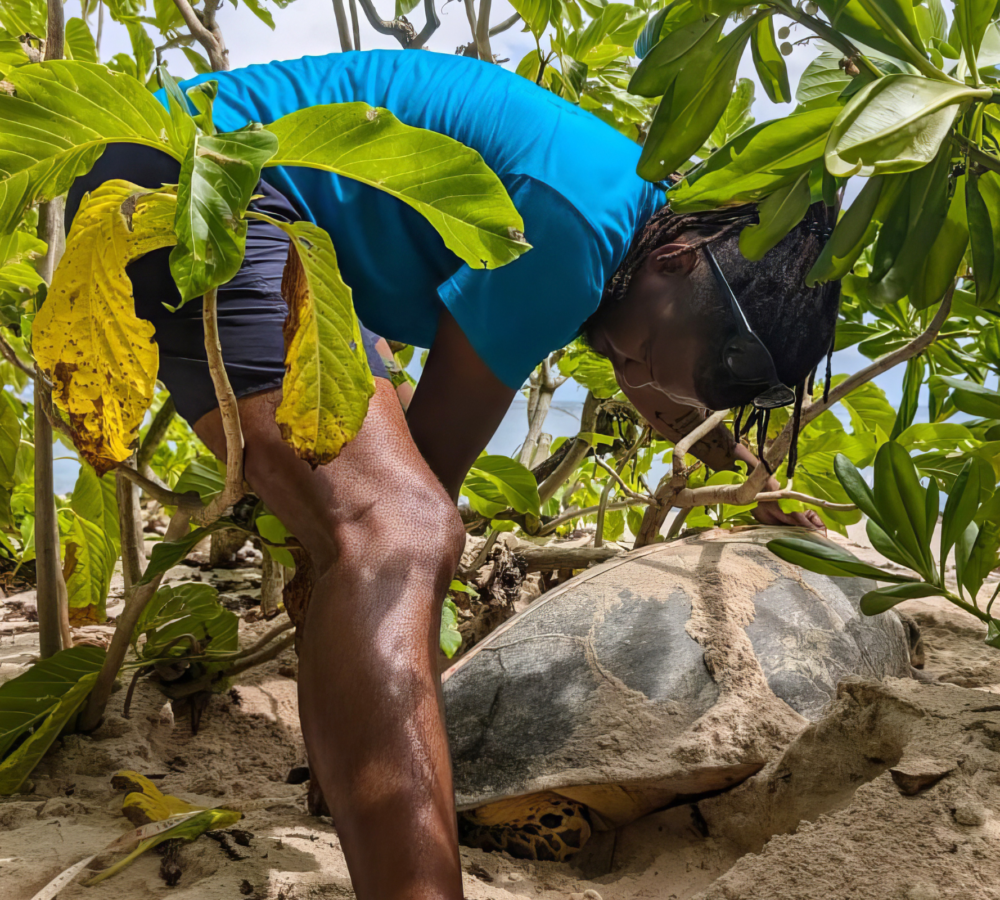
Hawksbill Turtle

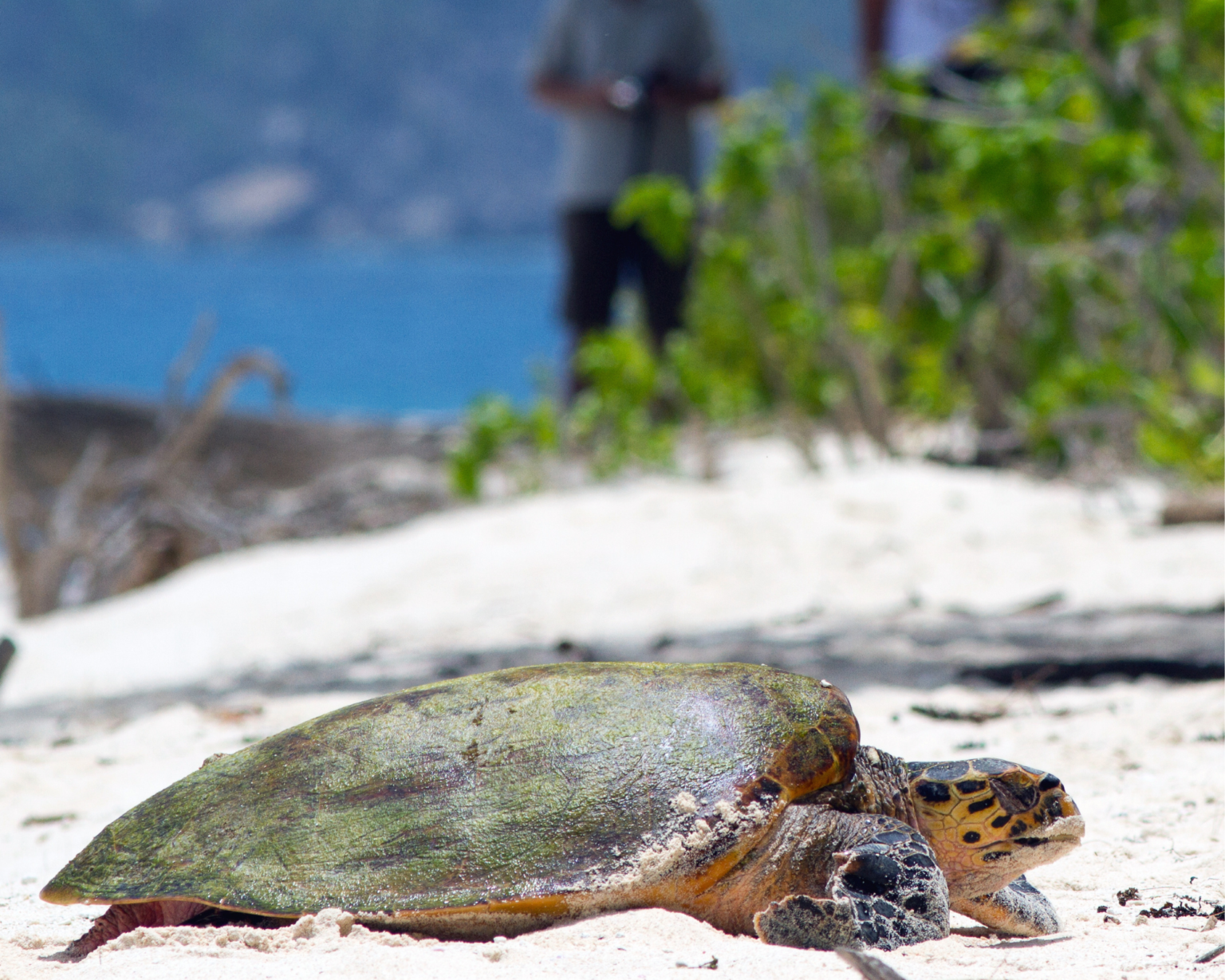
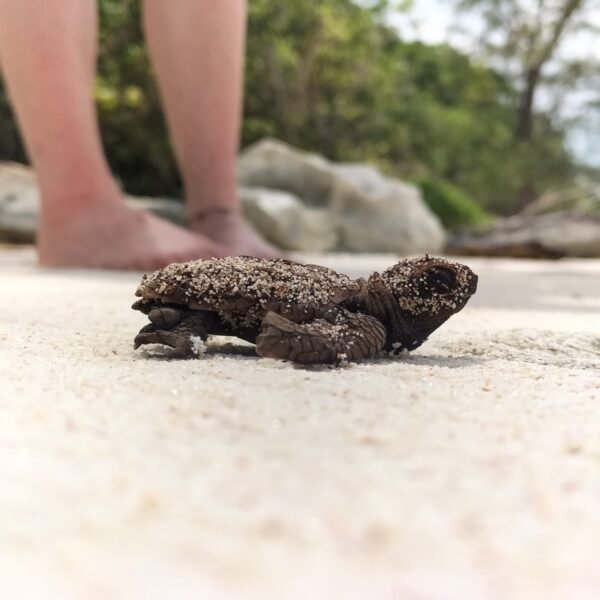
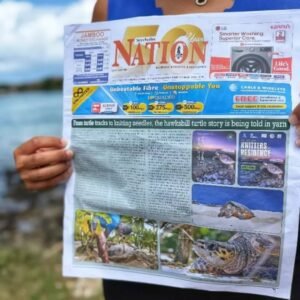
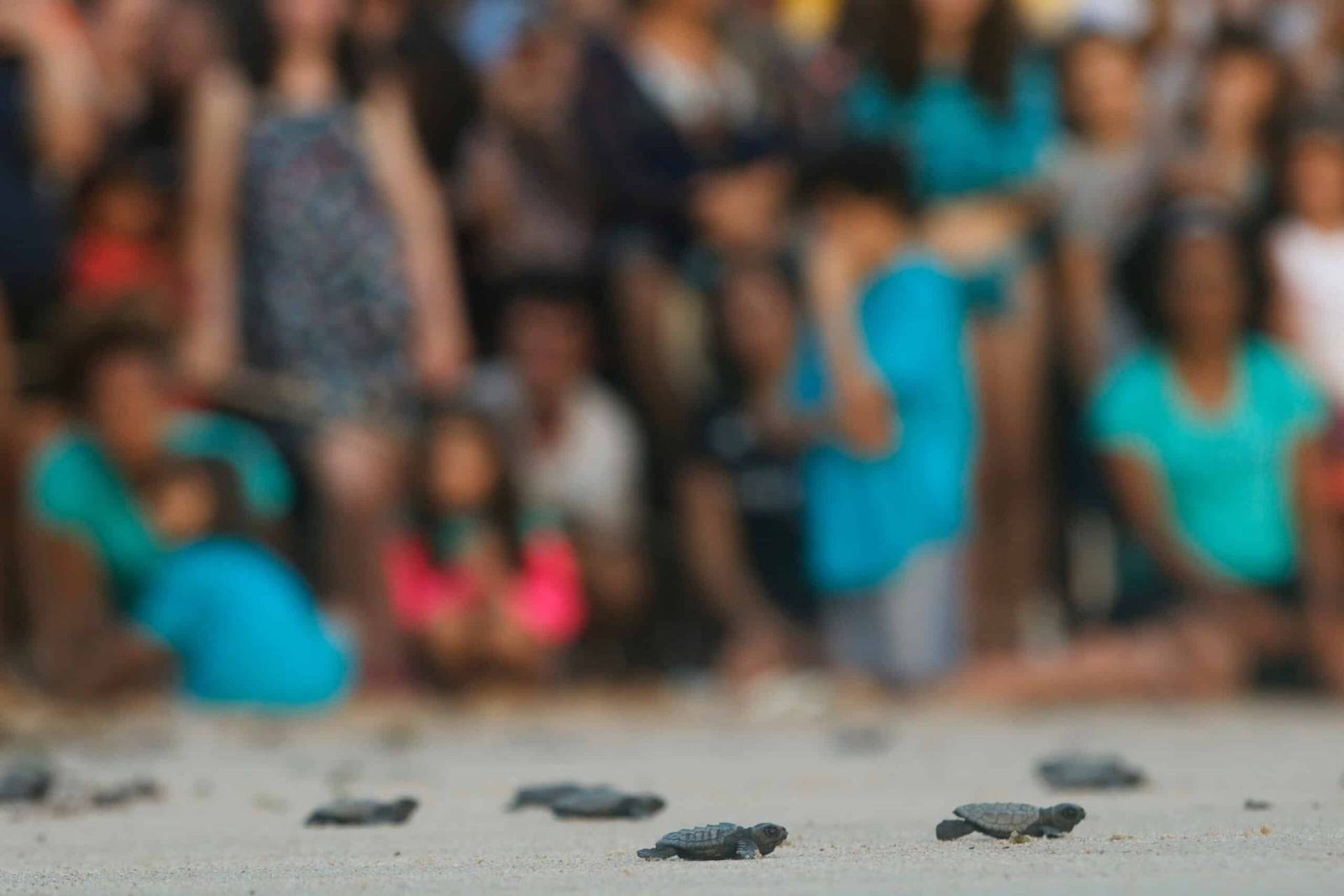
The next cohort will focus on Hawksbill Sea Turtle. Start Sept 2026.

@knitforwildlife

Local Biodiversity

Mozambique’s coastline is home to one of the richest arrays of marine life in the Indian Ocean. From humpback whales to whale sharks. Conservation here isn’t abstract; it’s about protecting species that migrate through waters used daily by local fishing communities.
OUR MISSION

CONSERVATION
Where the Needle Meets the Mud.

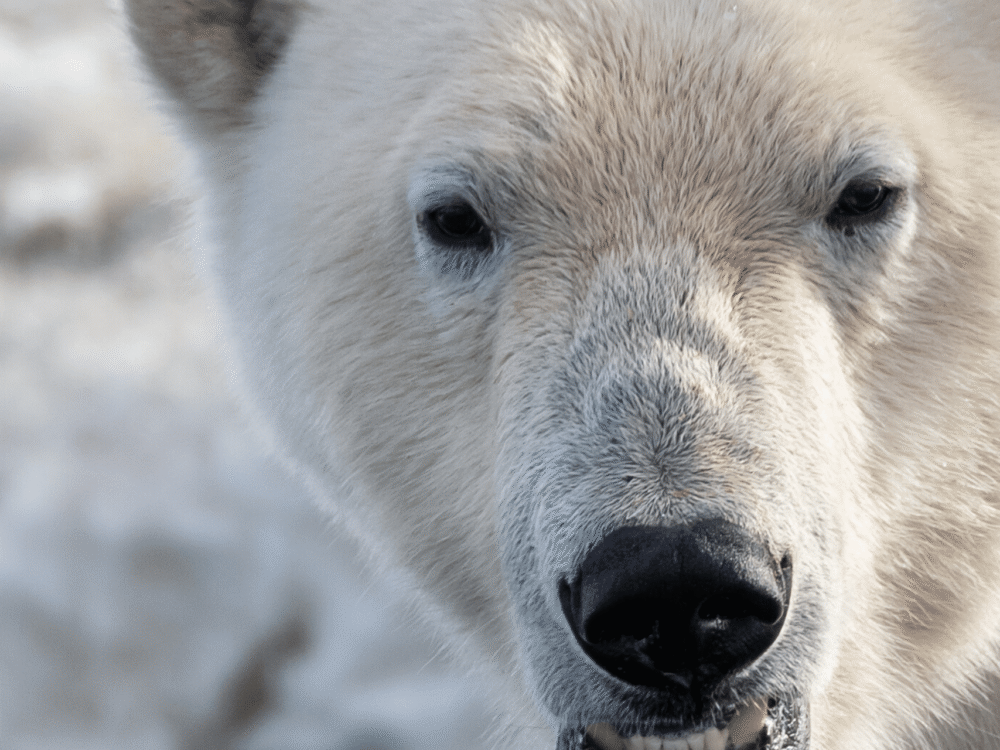
What happens when you look at wildlife through the eyes of a knitter? Suddenly, the natural world becomes a living textile archive. You start to see the hidden geometry in the spiral of a nautilus shell or the wing cells of a rare glasswing butterfly. You feel the physical texture of an Arctic polar bear’s insulating under-fur or the rugged, armored ribbing of a black rhino. And beneath it all, you uncover the heavy stories of migration, adaptation, and survival that connect these creatures to their landscapes.

Knitting from a place of wildlife conservation shifts everything. It turns a garment from a simple project into a physical record of a species. 

CO-FLOURISH INITIATIVE

LESSONS HUB
Education Through Knitting.

Our learning curriculum is designed to build both knitting skills and eco-literacy simultaneously. We believe that learning a new stitch technique should go hand-in-hand with learning about the natural world.

Check out our Step-by-Step 3D  Hotspot Exploration.

Lesson 1: How to Tell a Story Via Knitting (Narrative Craft)

Learn the "Data Stitch" technique to map real environmental statistics into row counts, and use traditional motif symbolism to represent ecological relationships.

Lesson 2: How to Create Original Knitwear (Design Foundations)

Step away from pre-written patterns using biomimicry. Use the math of the Golden Ratio to draft organic shapes inspired by nature's geometry.

Lesson 3: The Architecture of Form (3D Sculptural Knitting)

Master circular micro-knitting on Double Pointed Needles to sculpt seamless 3D wildlife forms. Use directional decreases to recreate biological symmetry.

Lesson 4: The Canvas of Camouflage

Learn stranded colorwork mechanics while studying the evolutionary biology of predator-prey visual camouflage.

Lesson 5: Regenerative Fibers

Trace yarn back to the land and discover how rotational grazing practices support native wildlife biodiversity.

Did you know? A single penguin sweater can take as little as 4 hours to knit. But the project in Australia mobilized tens of thousands of knitters worldwide. The extras were sold to fund conservation.

A Simple Resilience Tip

Try replacing 10 minutes of evening screen time with knitting. Research from the British Journal of Occupational Therapy found that 81% of knitters felt happier after a knitting session, and many reported better sleep. Two rows before bed might do more for your mood than another scroll.

Finding Flow

Psychologist Mihály Csíkszentmihályi described “flow” as a state where time dissolves and focus takes over. Knitting is one of the simplest gateways into flow: Repetitive movements, manageable challenges, and visible progress. Research links this state to increased happiness and resilience in everyday life.

The Power of Knit Circles

Knitting has always built communities. In Norway and Iceland, knitters once gathered to prepare families for the winter. Today, the tradition continues in cafés, knitting clubs, and even digital spaces like Ravelry and #Knittok. Sharing stitches, online or off, creates belonging, strengthens social ties, and supports mental well-being.

Knitting & the Brain

Studies from Cardiff University show that regular knitters report lower stress levels, improved memory, and even sharper concentration. Counting stitches and following patterns stimulates both brain hemispheres, much like puzzles or learning a new language.
PEOPLE & WILDLIFE

KNITTING RESILIENCE
A new software.

Knitting is neuroscience in action. Clinical studies show that repetitive hand movements lower cortisol (the stress hormone) while activating the parasympathetic nervous system, the body’s “rest and restore” mode. This is why knitters often report feeling calmer after just a few rows. It also supports memory, attention, and cognitive flexibility, the very skills that protect us when life gets tough.

Mental Health

Resilience grows when we feel capable. Psychologists call this self-efficacy: The belief that you can influence outcomes. Knitting provides exactly that; a visible proof of progress, loop by loop. Even simple projects build confidence, while more complex patterns train persistence. It’s also linked to the concept of flow: The deep, immersive state where time slips away and stress falls silent. Whether you’re learning your first stitches or mastering cables, knitting offers a rare combination of comfort and challenge. A recipe for stronger mental health.

Resilience is only useful if it fits into real life. That’s the beauty of knitting: It’s portable, affordable, and can be picked up anywhere. Ten minutes on the train, a few rows before bed, or a short break between meetings. Each moment trains your nervous system to return to calm. Researchers even suggest knitting before stressful tasks like exams or presentations, as it improves focus and steadies nerves. Think of your needles as a toolkit you can carry in your bag, low-tech & low-cost, but surprisingly powerful.

Social Strength

Humans are wired for connection, and resilience is often born in community. Knitting has always been social; from traditional knit circles in kitchens to today’s massive online communities. On TikTok, the hashtag #Knittok has passed 2 billion views; on Instagram, wildlife- or culture-inspired knits go viral in hours. Joining a group, posting your project, or even knitting in public can spark conversations and friendships. Shared creativity makes challenges easier to carry and resilience stronger.

Repair vs Discard

In conservation, resilience means adapting and recovering under pressure. Knitting shows the same principle: A fabric made of individual loops can stretch, bend, and still return to shape. Even when torn, it can be repaired and made strong again.

Practical tip: Learn a simple darning technique. Repairing a weak spot instead of discarding the whole piece is the most direct way to practice resilience in knitting - and in life.

GEAR UP

KfW TOOLS

Tools, guides, and designs to keep you moving; on the water, in training, or chasing your next big goal. From books to breathing loops. All of it built to work.

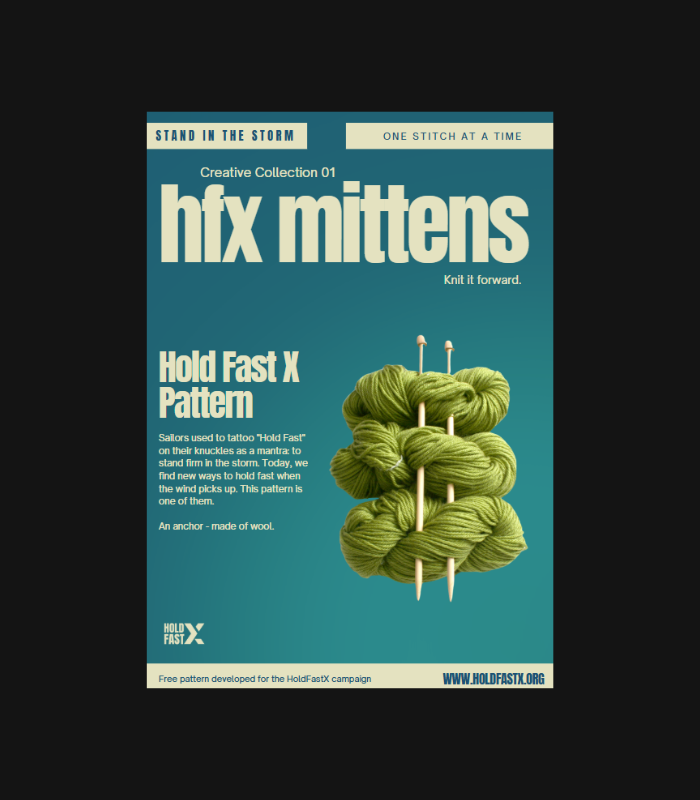
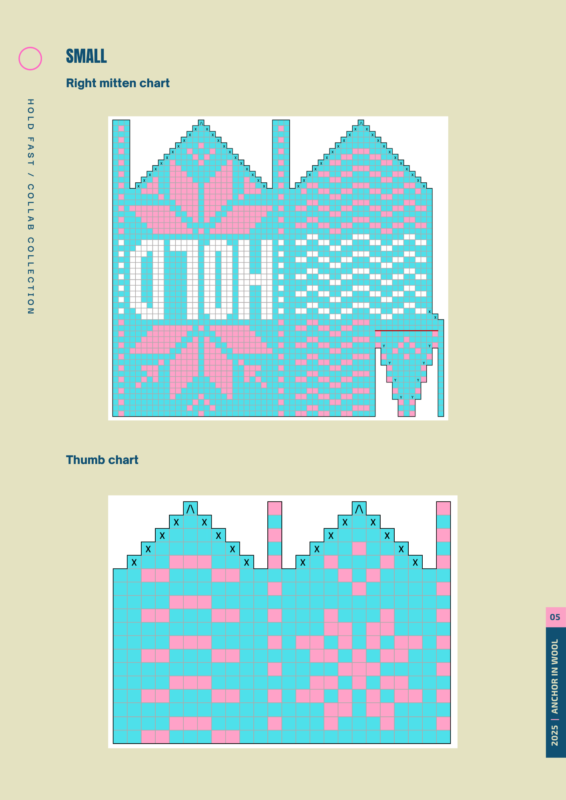
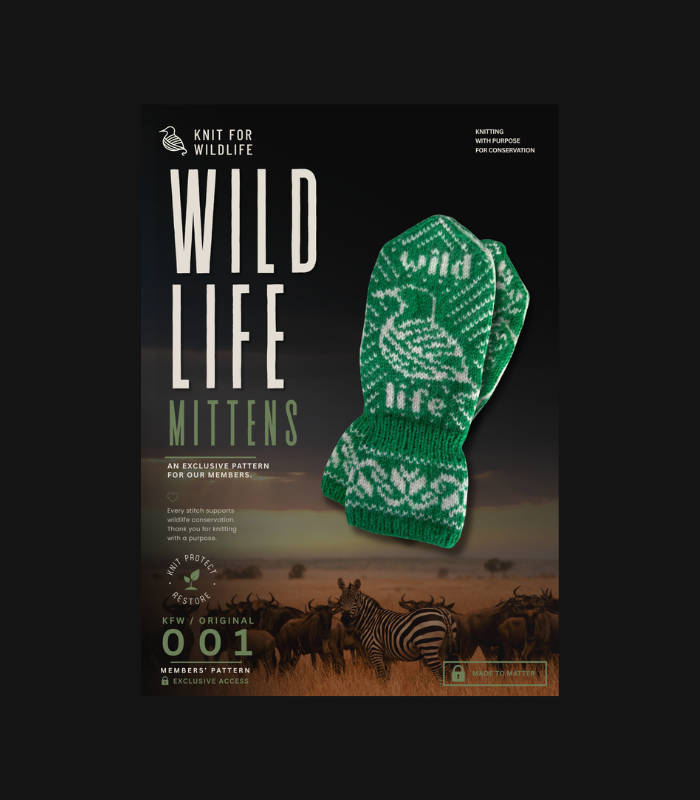
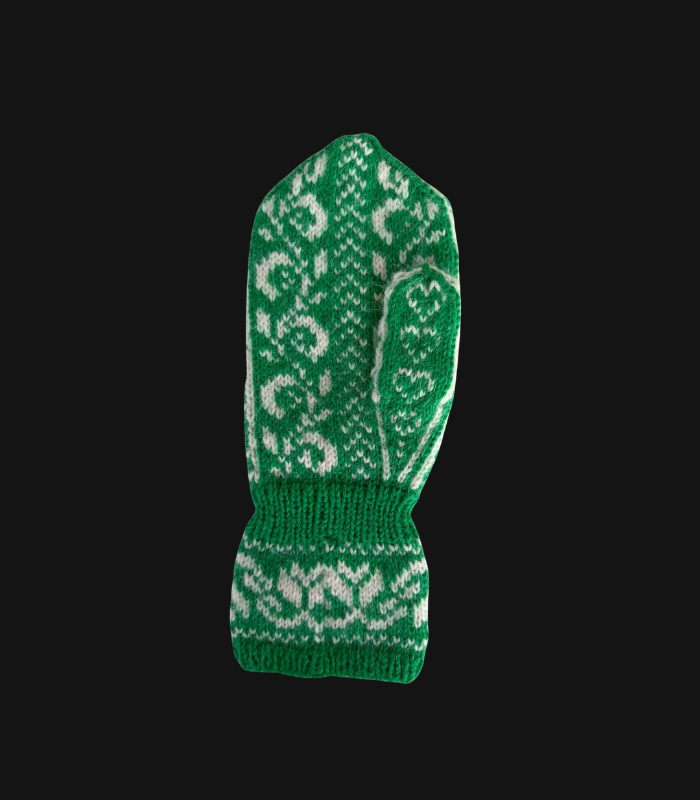
HFX Mitten Pattern

0.00
Forget tattoos. This generation wears its grit in wool. Hold Fast is knit right into these mittens, designed by Une Cecilie Oksvold, known for her bright knits. A pair of mittens is now onboard with Ella Hibbert as she attempts a world record, sailing solo around the Arctic. It is a story worth wearing.
THE KFW SERIES

MASTERCLASS
Learn from the Best

Through stories and tools from world record holders, explorers, and ocean adventurers, HoldFastX brings their grit, focus, and mental strategies to a new generation.

Image of  our ambassador Li Karlsén. World record holder freediving under the Greenland ice. Photographer: Alexander Dawson

Your Mentors
Slide
Image is not available
Li Karlsén
World record freediver
Image is not available
Jill Heinerth
Cave Explorer Legend
Image is not available
Christa Funk
Extreme Wave Photographer
Image is not available
The Maclean Brothers
World Record Ocean Rowers
Image is not available
Jess Rowe
Rowing across the Pacific
Image is not available
Miriam Payne
Rowing across the Pacific
Image is not available
Ella Hibbert
Solo-sailing around Arctic
Image is not available
From Stress to Strength

When the body faces pressure, the signals are almost always the same: Elevated heart rate, quicker breathing, higher cortisol. In laboratory studies, participants showing these responses performed very differently depending on how they understood them. Those who saw the signals as threat became less accurate and more anxious. Those who saw them as preparation showed better focus, faster recovery, and higher confidence. Psychologists call this the challenge vs. threat response.

This doesn’t make stress harmless - chronic overload still damages health. But it shows that, in short bursts, pressure can be used as fuel if we learn to interpret the signals differently. High performers often train this ability: Before an event, they re-label the pounding heart as readiness, not danger.

In the Masterclass you’ll find tools from freedivers, sailors, and explorers who apply this science in extreme conditions, and break it down into practices you can use in daily life.
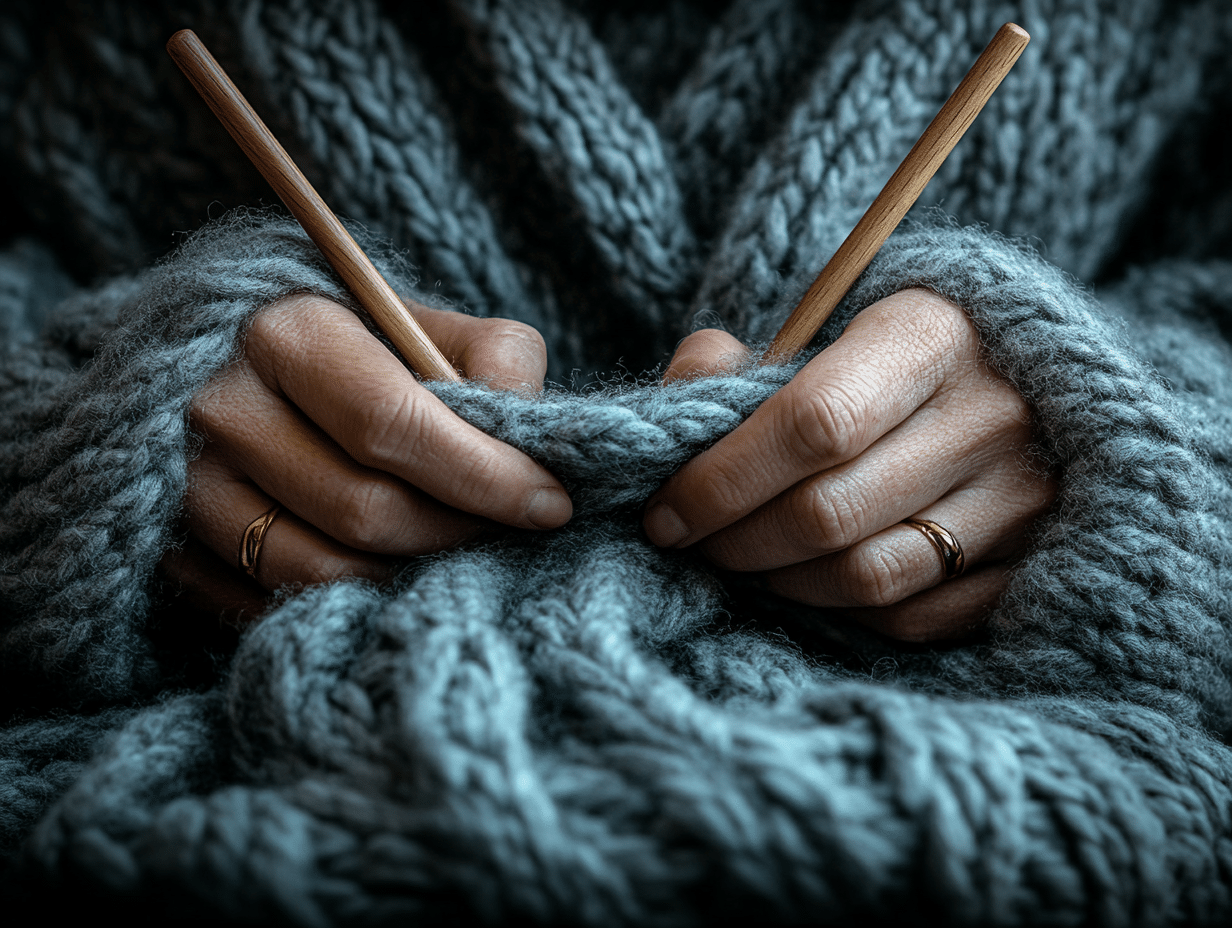

Dealing with Fear
Jill Heinerth - Cave Diver

The Skills

Freediver Li Karlsén holds her breath under ice for minutes at a time. The same techniques she uses to stay calm in extreme conditions can help anyone reset stress in daily life

Current Expedition
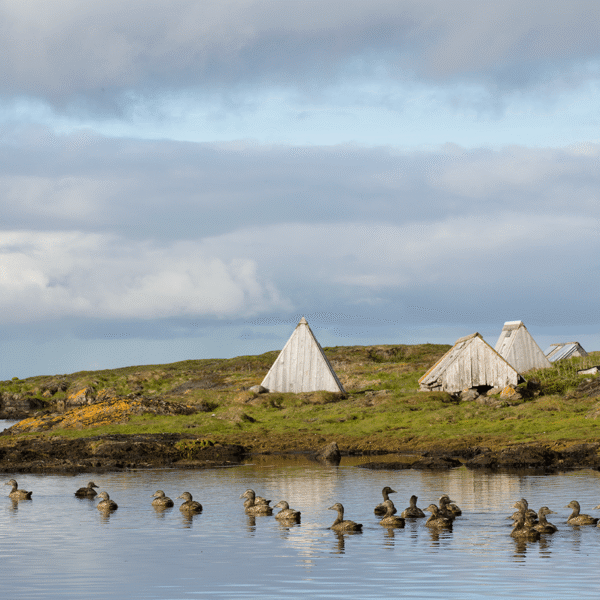
Seas the Day are rowing across the Pacific Ocean. A 13,000 km live test of optimism, grit, and teamwork under extreme pressure.
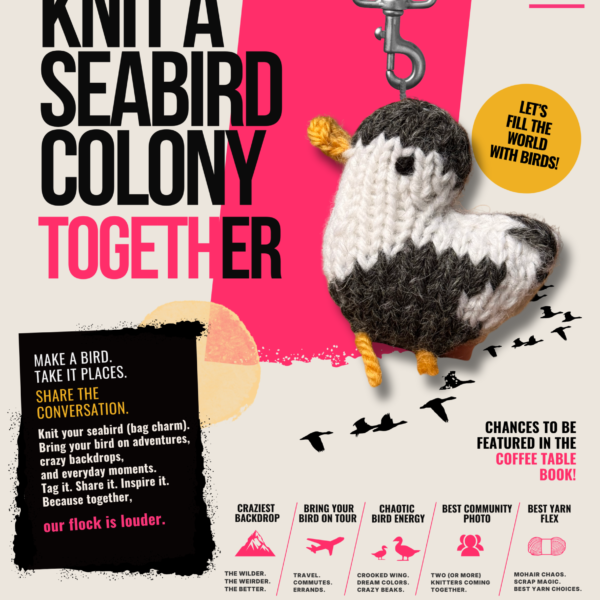
The Power of Rituals

Checklists, small routines, mental anchors. The tiny habits that keep professionals steady when the stakes are high.

Endorsed by
UN OCEAN DECADE

The UN Ocean Decade aims to build a healthier, more resilient ocean, connecting science, culture, and communities worldwide. Endorsed projects, like Knit for Wildlife, contribute with creative and innovative solutions to help achieve this.

ENGLISH_WHITE-01