



KNITTERS in RESIDENCE
Vega world heritage.
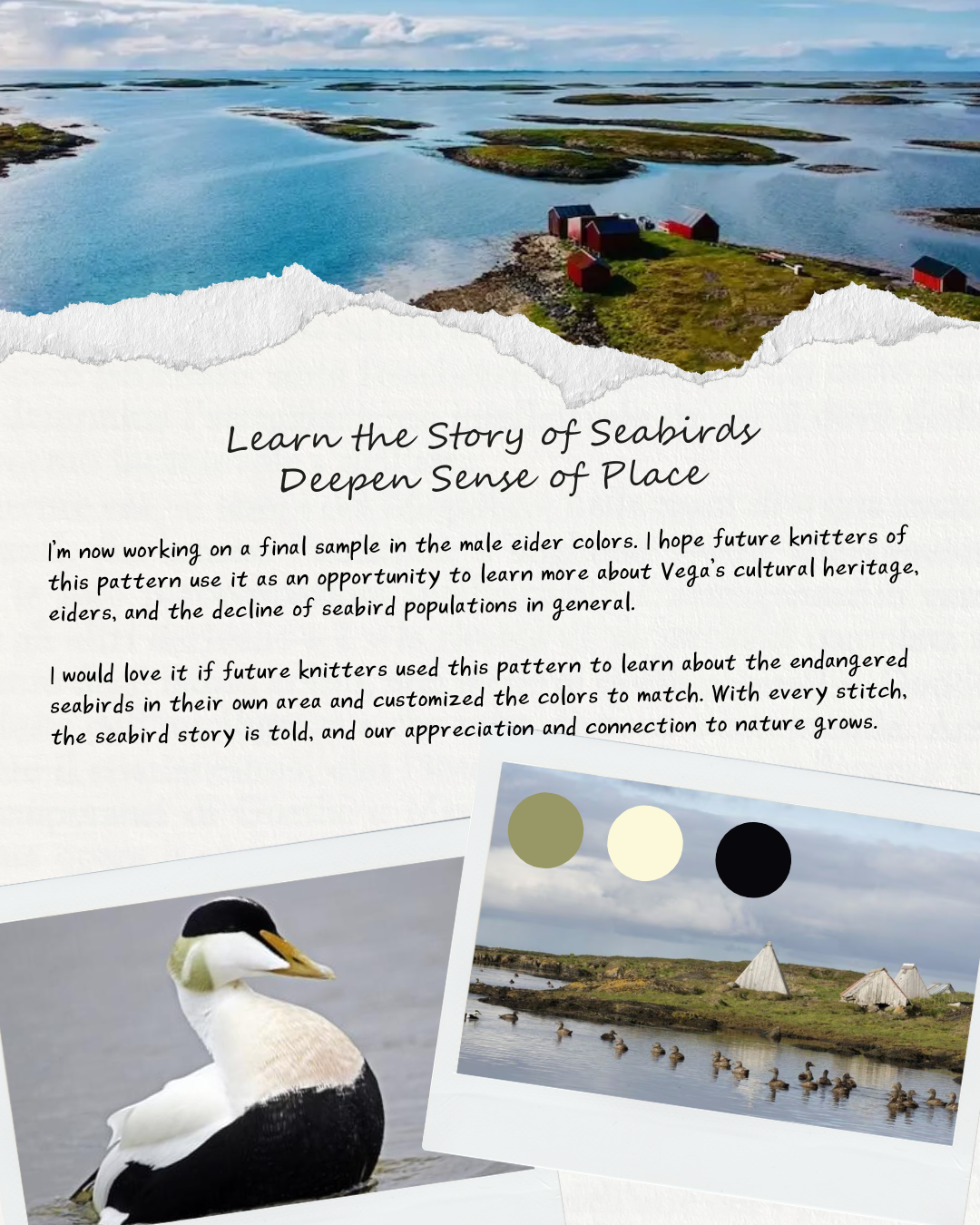
The Vega Archipelago, a UNESCO World Heritage site off the coast of Norway, is home to an ancient, symbiotic relationship. For generations, human eiderdown tenders have built shelters and protected wild eider ducks during their vulnerable nesting season. In return, the ducks leave behind their incredibly soft down. A perfect circle of mutual care and cultural heritage.
But today, this fragile balance is under threat. A catastrophic decline in global seabird populations has hit the eider ducks hard. Their rapidly dwindling numbers are deeply worrying, signaling not just an ecological crisis, but the potential loss of a priceless living tradition. This cohort of knitters was formed to face this reality. Using the tactile language of knitwear to sound the alarm, honor the tenders, and fight for the survival of a vanishing landscape.
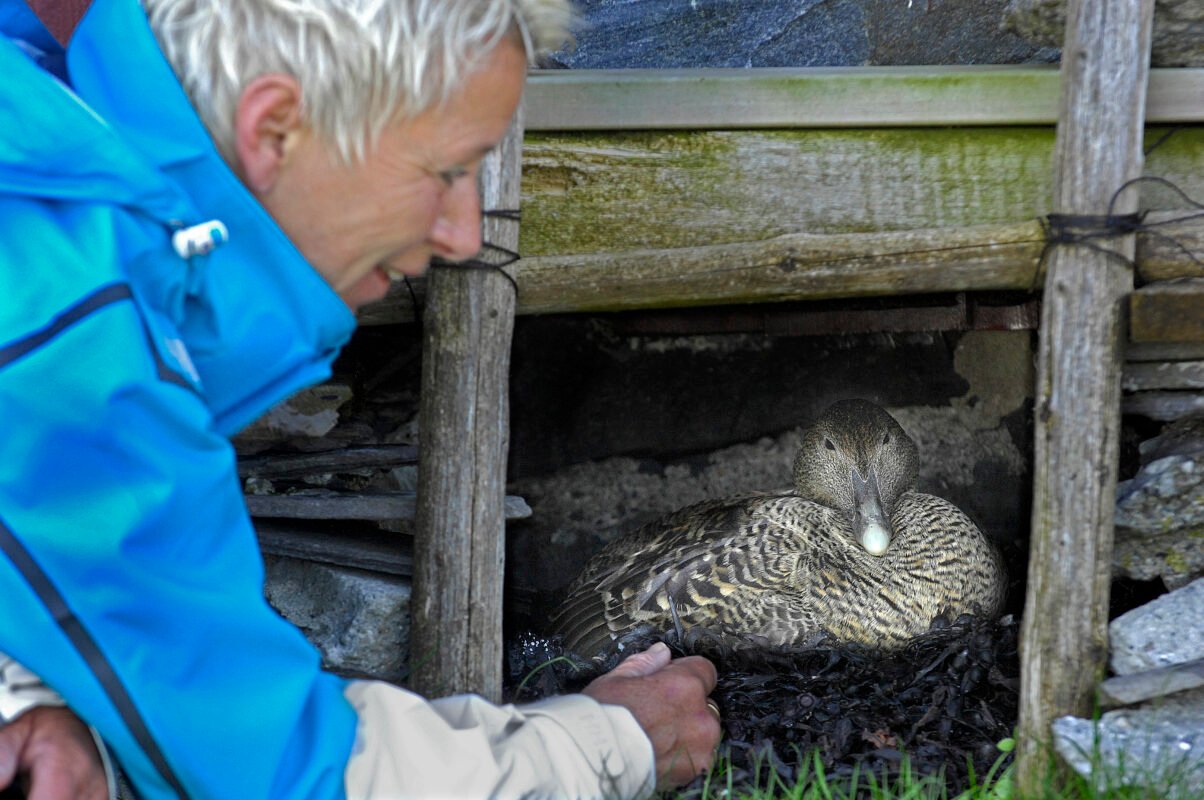
Photo of Hildegunn/Lånan © Fredrik Refvem Stavanger Aftenblad
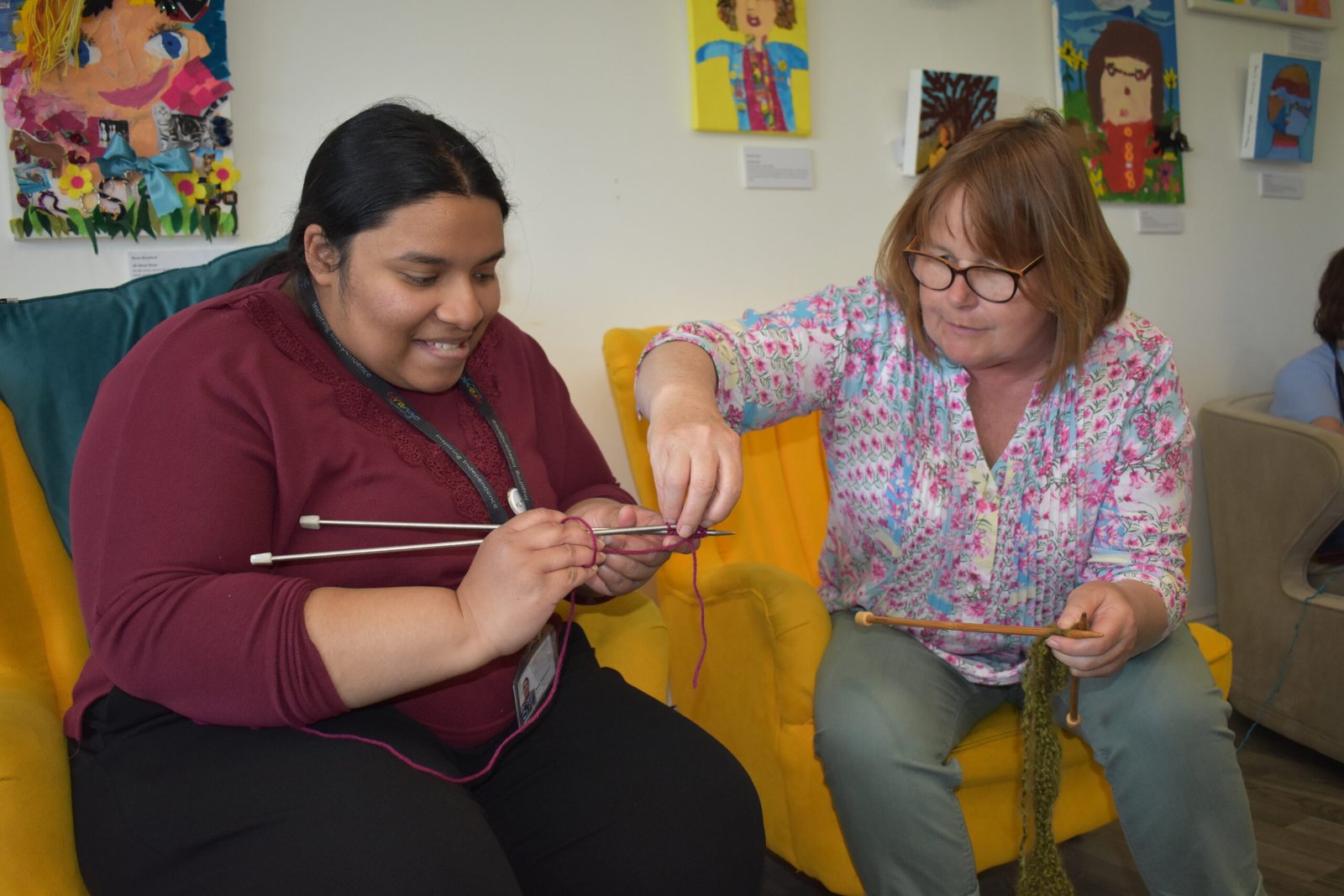
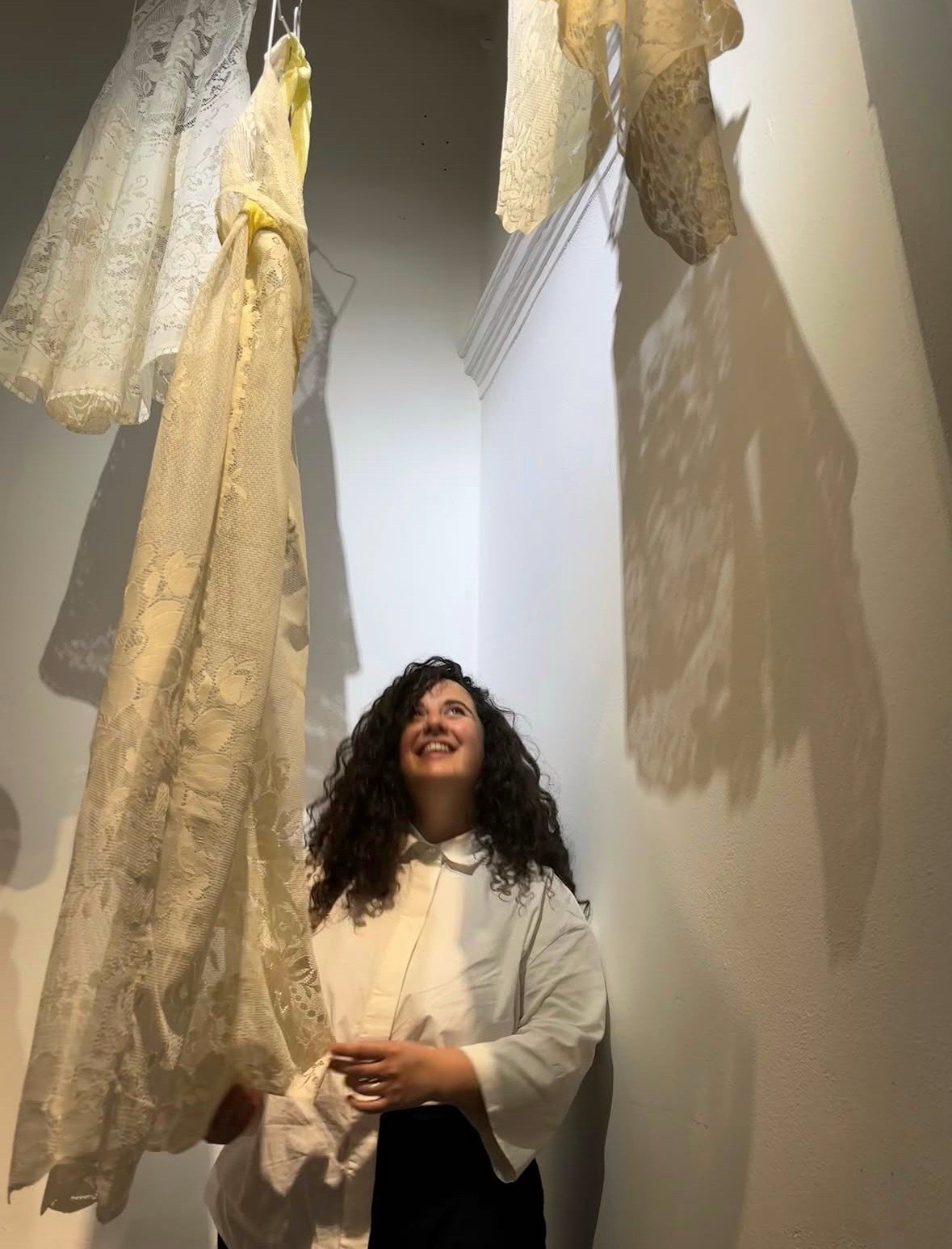
It was such an honour to be able to meet with Jessica and I am so grateful for what insights she had to offer. Our time together made me reflect deeply on my own creative practice and how it continues to evolve. Once I get an idea in my mind I find it hard to let go of, following my creative intuition and wanting to see this vision come to light. However, Jessica reminded me how a finished sample may differ from that initial vision, particularly when transitioning from a 2D sketch into something 3D. As we work, the yarn
becomes a guide - it chooses which shape it wishes to take. This is something that has become more and more apparent as I have worked on my design.
Jessica encouraged me to spend longer in the creative process as my expertise is in the technical side of knitting. She gave me confidence to narrow down the images I was working from, to dig deeper and to look for the unusual and the interesting in them. She reminded me that, when working with wool, it takes time to accommodate what the wool needs in a design. She also reassured me that sometimes the final piece only emerges as it is being knit. I didn’t have to make all the decisions before starting to knit which I found liberating.
Meeting Jessica Hemmings was an incredible experience, and I feel it brought new perspectives into my project in a very meaningful way. Our conversation helped me think more explicitly about the relationship between the project and sustainability. Because the work involves small quantities of yarn in many colors, we talked about how it could potentially be made entirely from stash yarn or materials people already have at home, without encouraging additional consumption. That idea became very important to me: thinking about knitting as a way of reusing, revaluing, and building from what already exists.
Another very interesting aspect of our conversation was the possibility of thinking beyond a single closed object and instead imagining a series of interconnected pieces. That shift opened up new ways of approaching the project conceptually and materially. Overall, speaking with her was deeply inspiring and helped me expand the way I understand the work itself.

Jessica helped me step out of my scientific mindset for a while and focus instead on the artistic dimension of the message I want to convey through this initiative. She also encouraged me to think about how other forms of art, such as music, could complement and enrich the meaning behind the piece I am creating.
Pick the Knitter
Choose the knitting process you want to explore first.
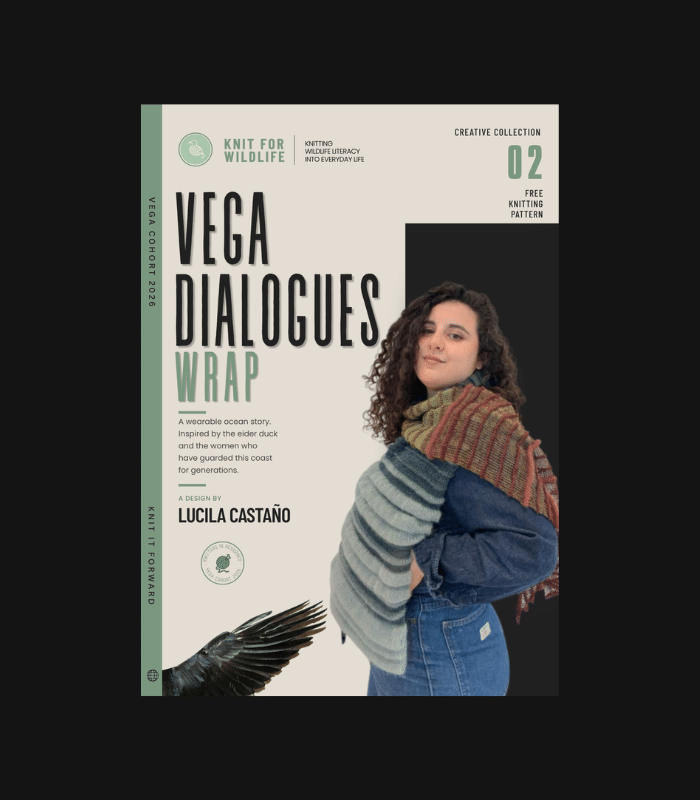
LUCILA FLORENCIA CASTANO
Wearable Soundscapes.
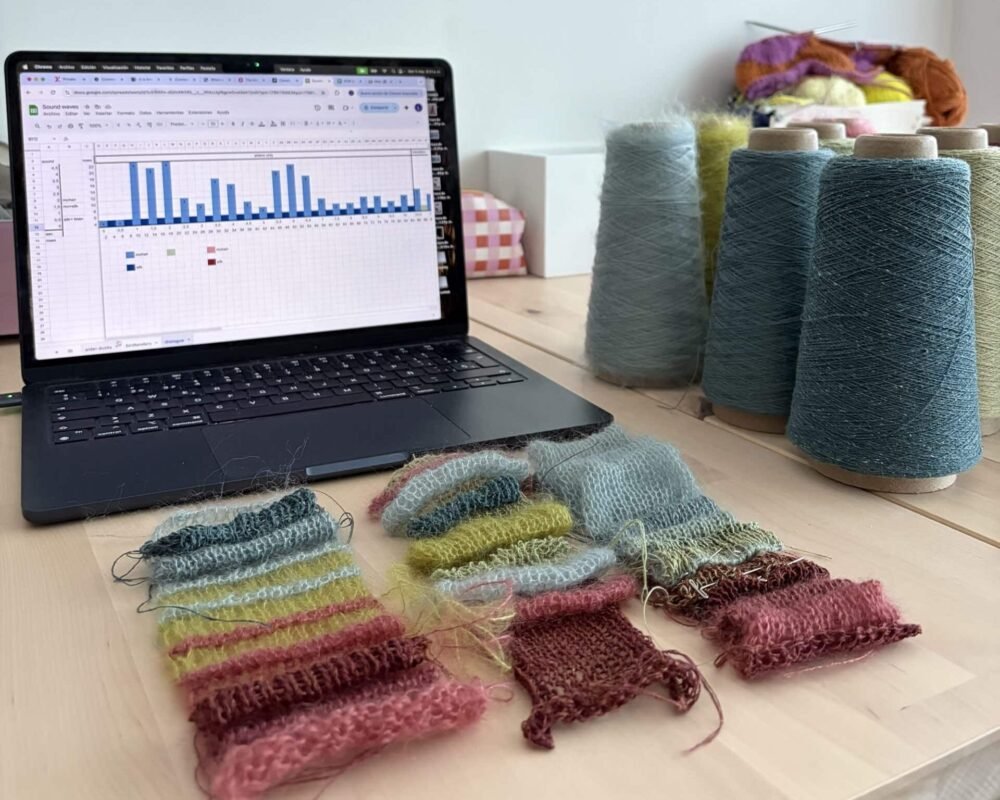
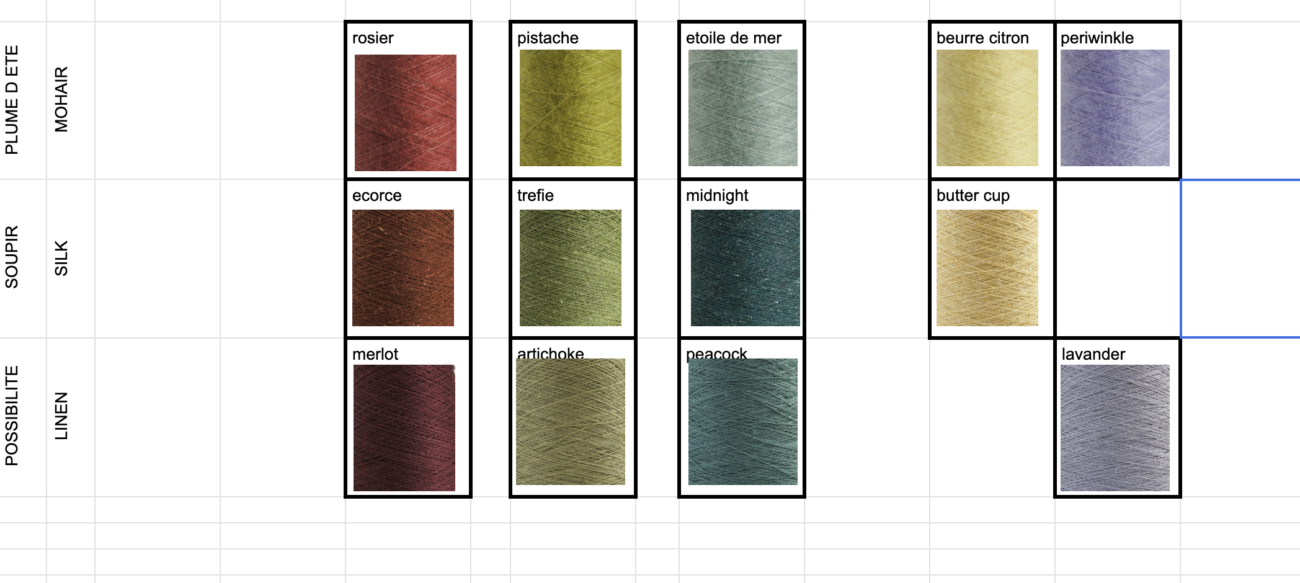
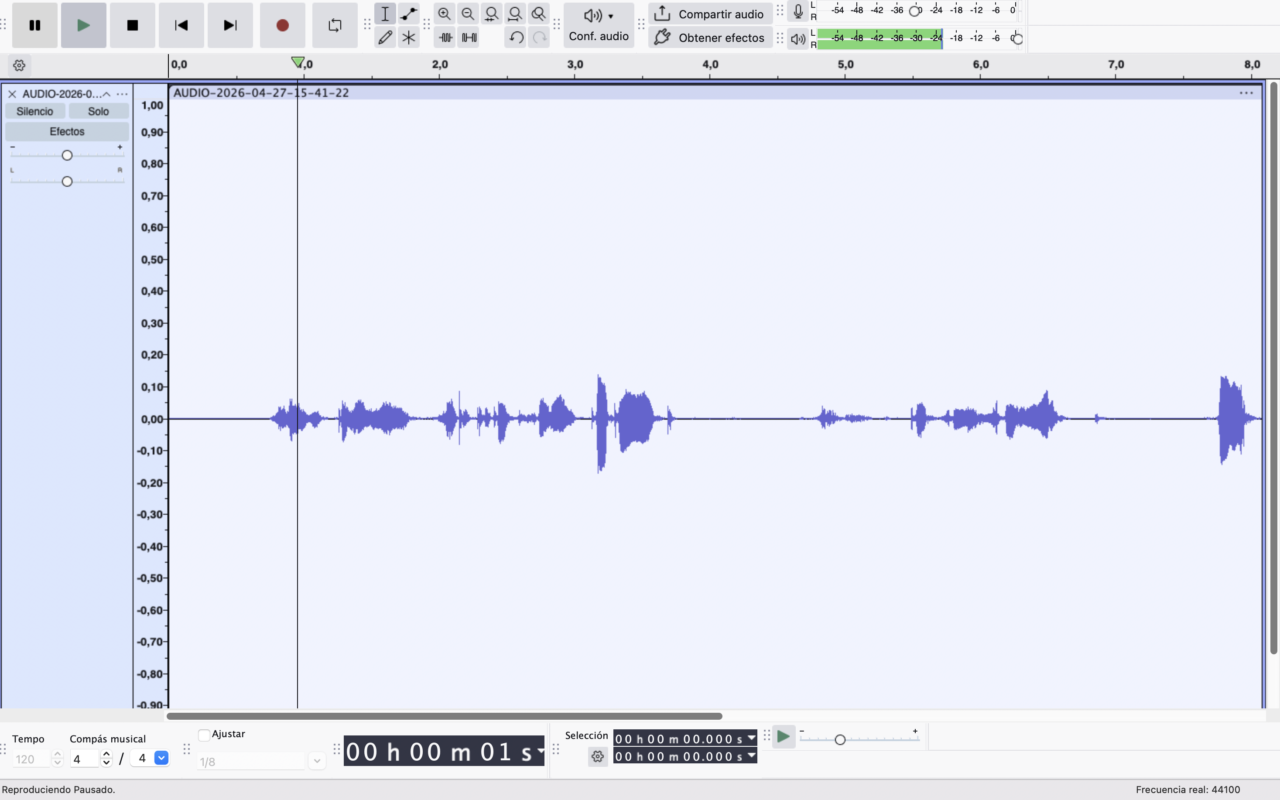
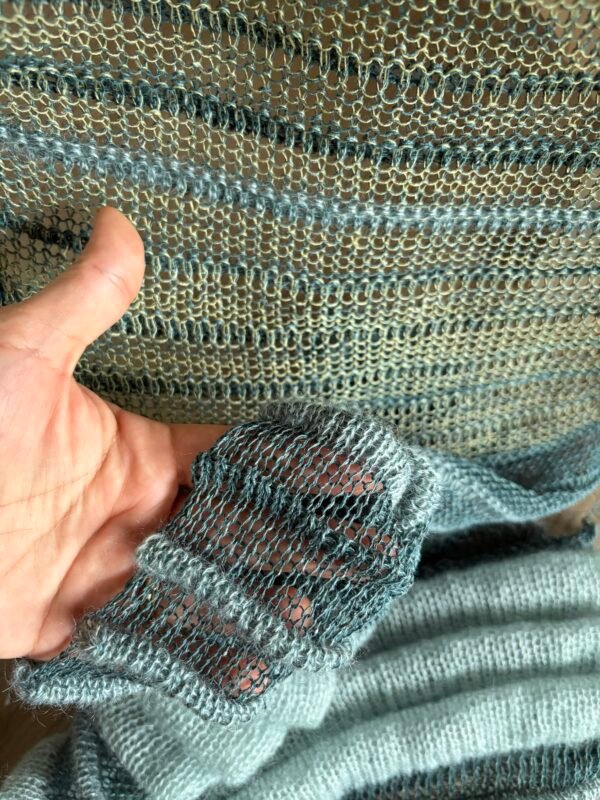
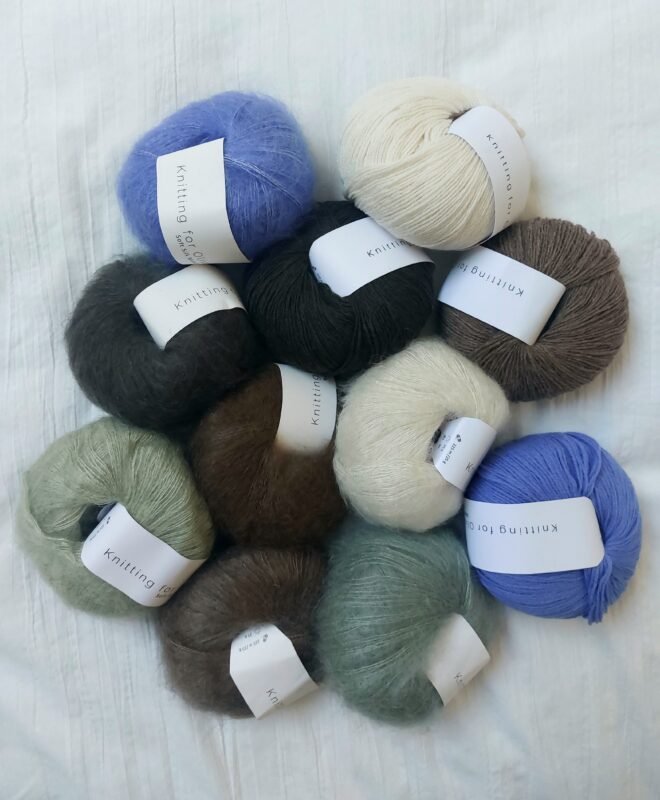
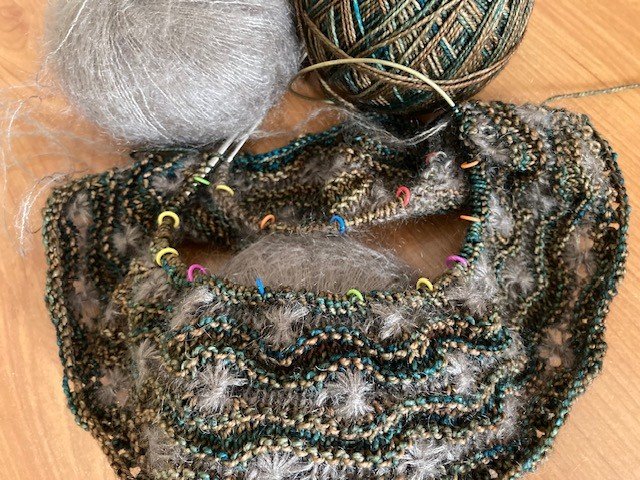
Lucila is designing a modular scarf that translates the live audio of the Vega archipelago into data-driven knitwear. Working with recordings of duck tender Hildegunn talking to the eiders and sound from the birds, Lucila maps the rhythms and frequencies of their dialogue into structural pleats and color gradients using wild silk, linen, and mohair.
Designed with environmental care in mind, the pattern is built for stash-busting, encouraging knitters to use up leftover yarns they already own. The scarf is completely adaptable: Stop early for a cowl, knit further for a standard scarf, or loop it into an infinity scarf where the ends connect, conceptually linking humans and ducks in a continuous circle of communication.
Lucila is a textile designer from Buenos Aires, now based in Toronto. Her work is rooted in artisanal practice and shaped by design thinking. Exploring colour, material, and form through knitting. She’s created custom-knit pieces for artists, translating creative concepts into wearable pieces. Alongside her practice, she’s spent over eight years teaching at university level. Bringing that same reflective, experimental approach into everything she does. Her work has even taken shape as award-winning textile experiments inspired by tree branching systems.
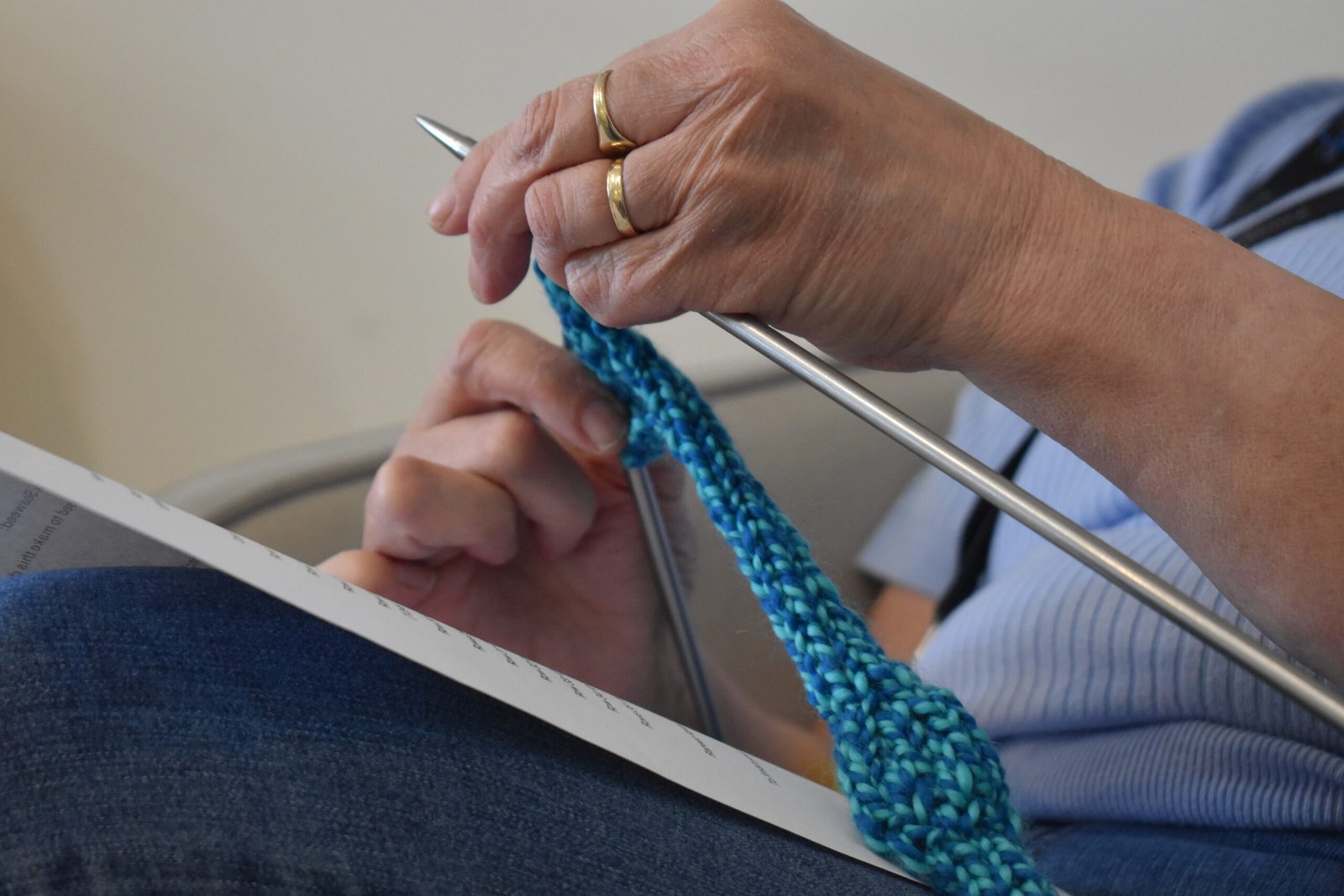
All of the conversations we had throughout the process were incredibly meaningful in different ways. Of course, the scientific information shared by Martin was deeply impactful, but there was also something very powerful about speaking directly with people so connected to Vega and the ducks, like Hildegunn, which added a very important layer to my research. Her willingness to participate by sending voice notes became truly meaningful to me, and I feel deeply grateful for that exchange.
At the same time, what became unexpectedly important were the meetings with my fellow residents. Those moments of exchange and mutual support became essential to the process. It has been beautiful to witness how, starting from the same core theme, each person develops a completely personal perspective shaped by their own experiences
If someone saw my piece for just 10 seconds, I would hope they could sense continuity and transformation at the same time. There is a continuous thread between elements that are different from each other, and that dialogue remains present even when their nature shifts. At a certain point, those differences begin to merge, and the transformation becomes fluid rather than a break.
More than understanding the details, I would hope the viewer feels that sense of gradual transition and coexistence between two states that remain connected. A dialogue.
The biggest challenge in turning a wildlife story into knitwear has been maintaining a balance between design exploration and factual grounding. While I am interested in creating a visually and materially compelling piece, I always felt it was essential to keep a real scientific reference at the core of the work.
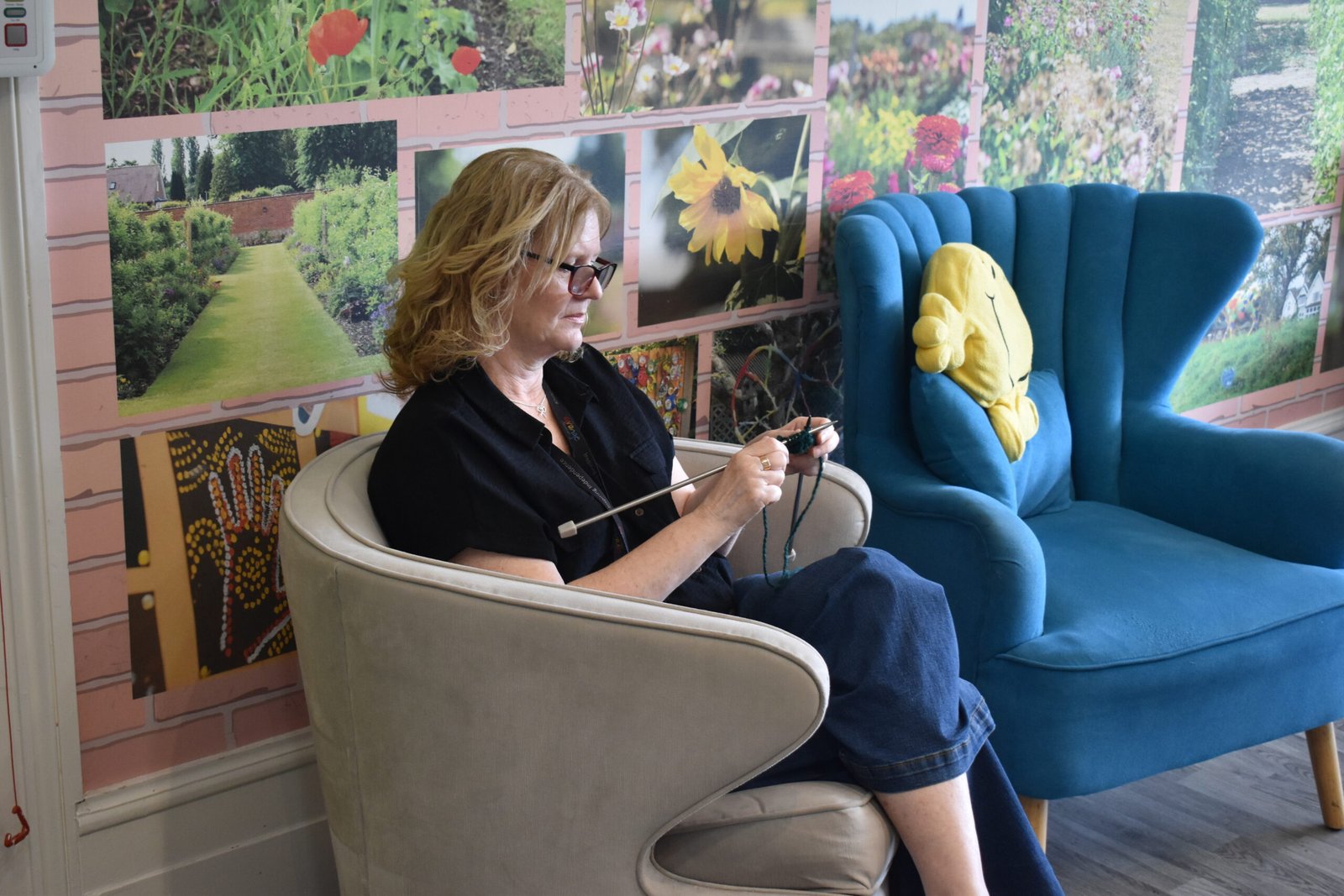
The challenge is making sure that this “hard data” remains the guiding structure of the project. In this case, the work is rooted in the relationship between humans and eider ducks in the Vega Archipelago, as well as the broader ecological issue of seabird population decline.
Colour & Yarn
Sound waves into Pattern
Technique
E-houses
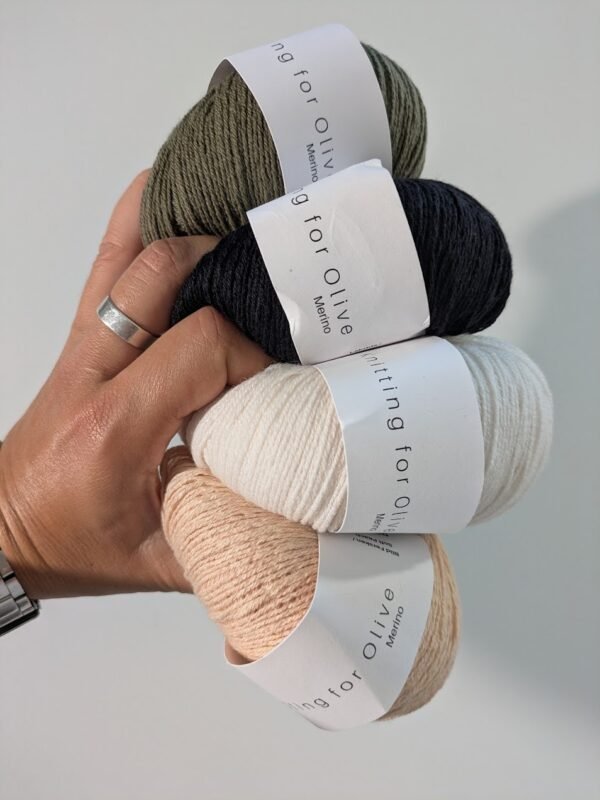
Colour Palette
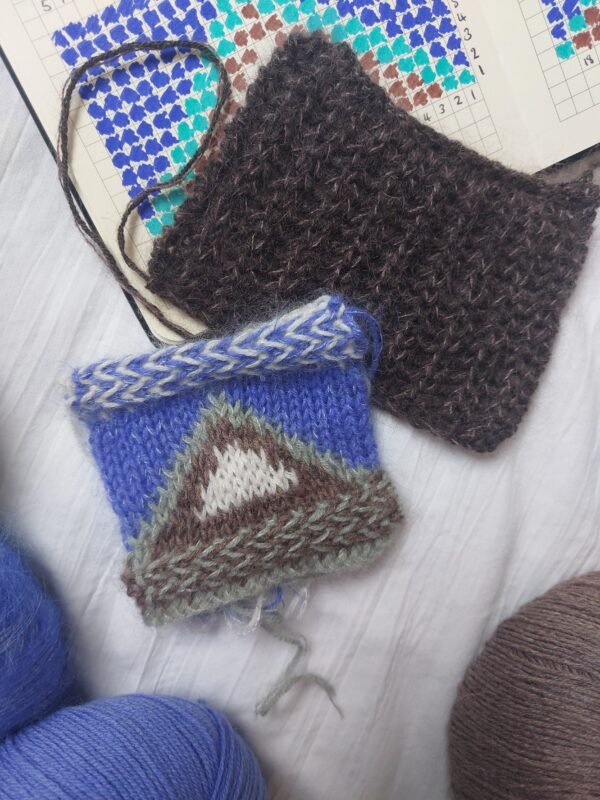
Fold
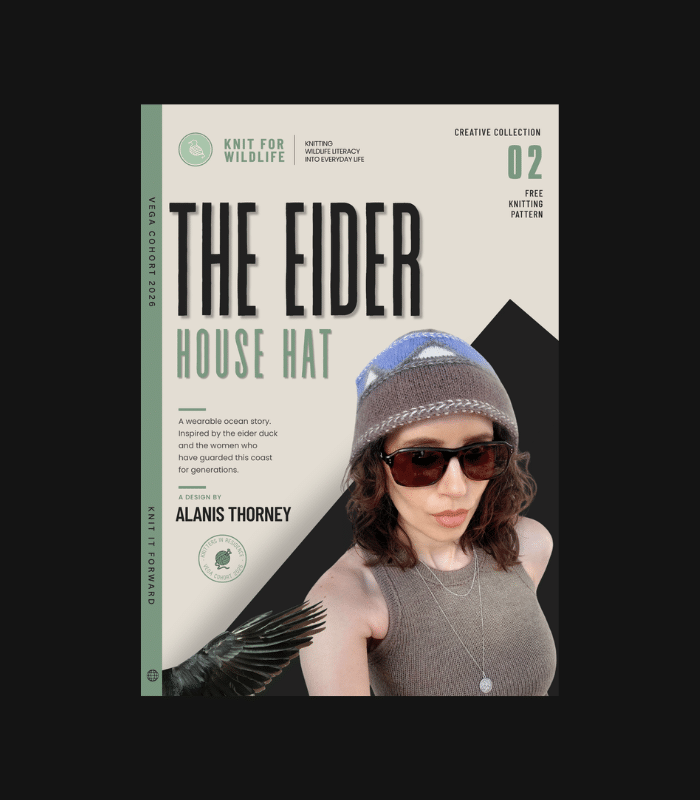
ALANIS THORNEY
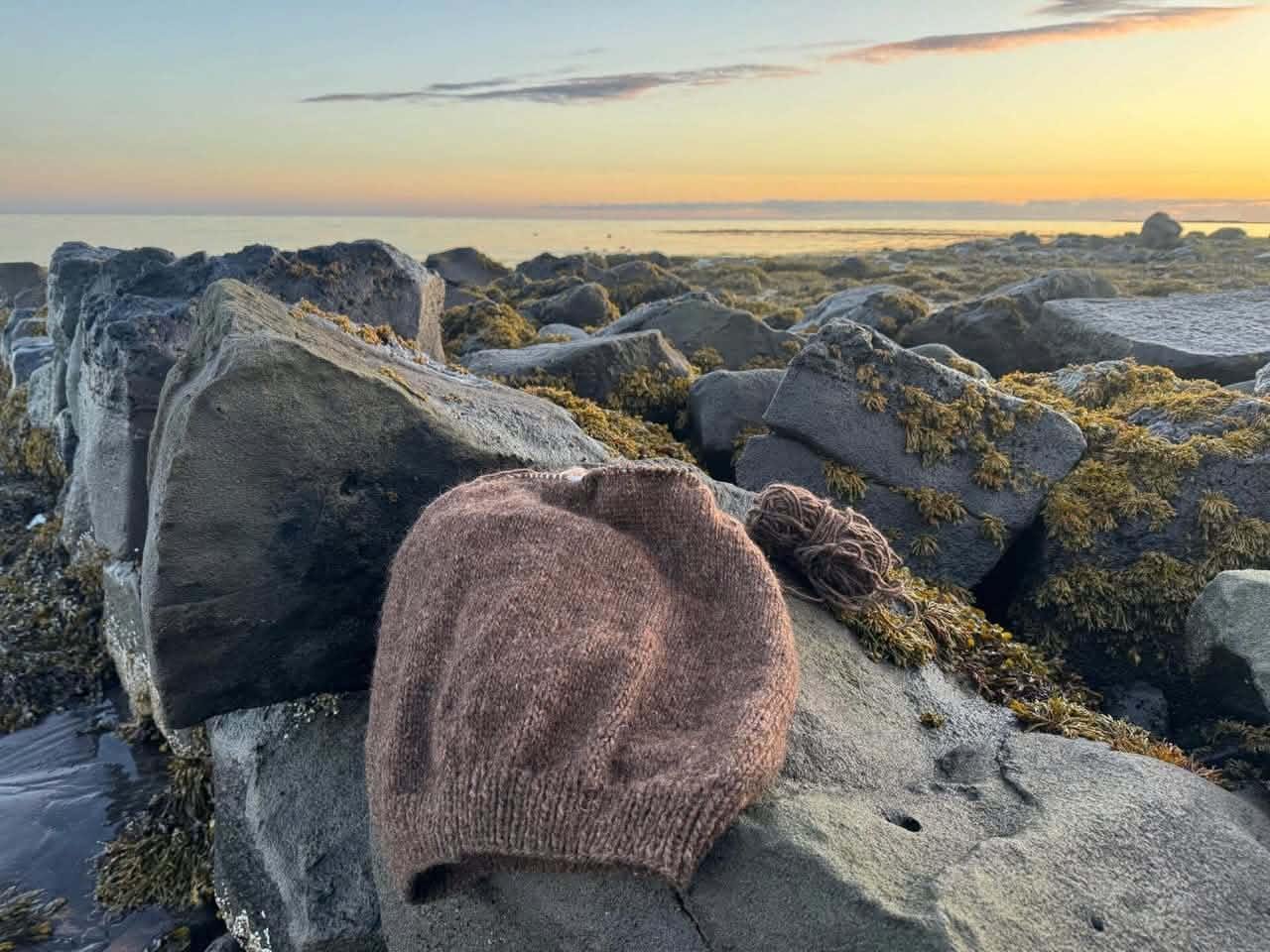
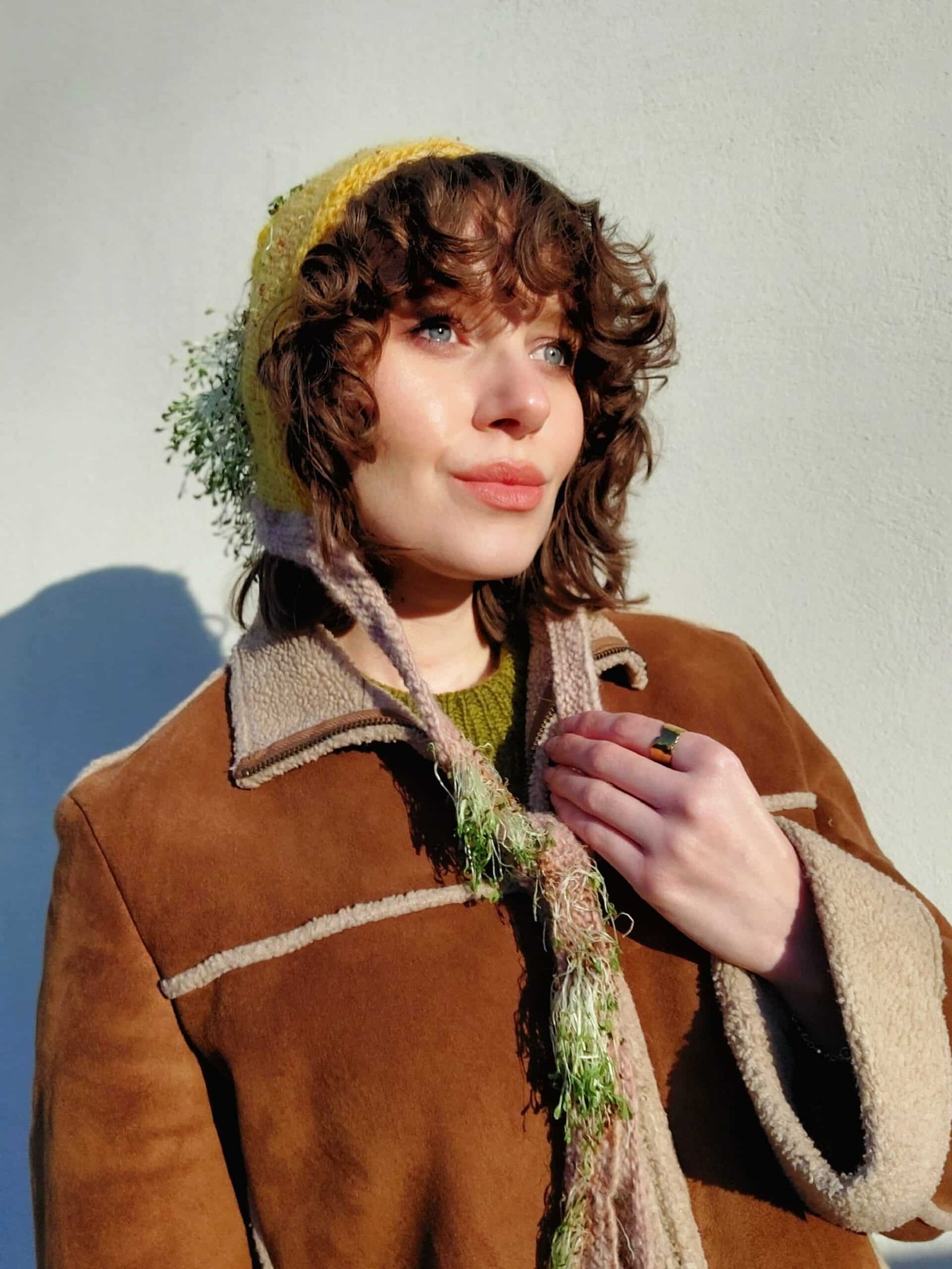
The Eider Beanie.
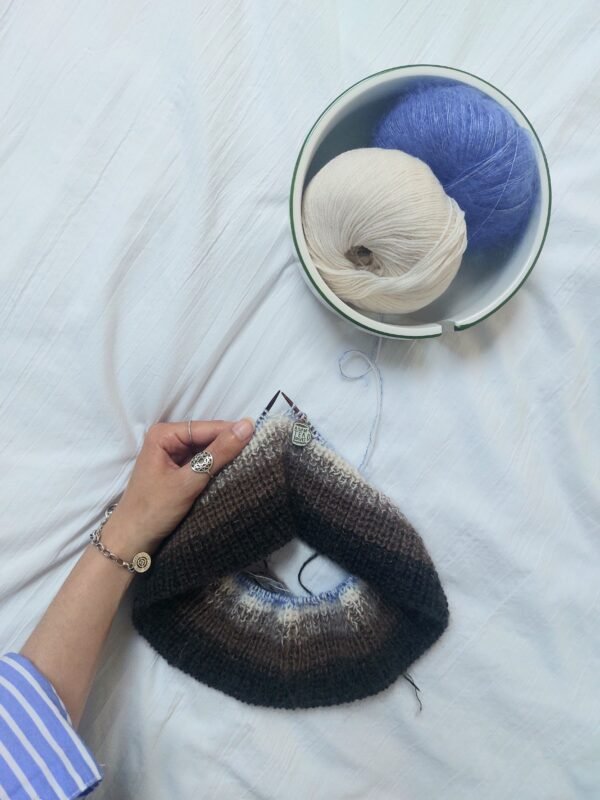
Alanis is designing a cozy winter beanie inspired by the shelter and warmth of the Vega eider ducks. The look is entirely geometric, using clean triangle repeats to represent the iconic e-hus (eider houses) and chevron patterns to mimic wings and feathers.
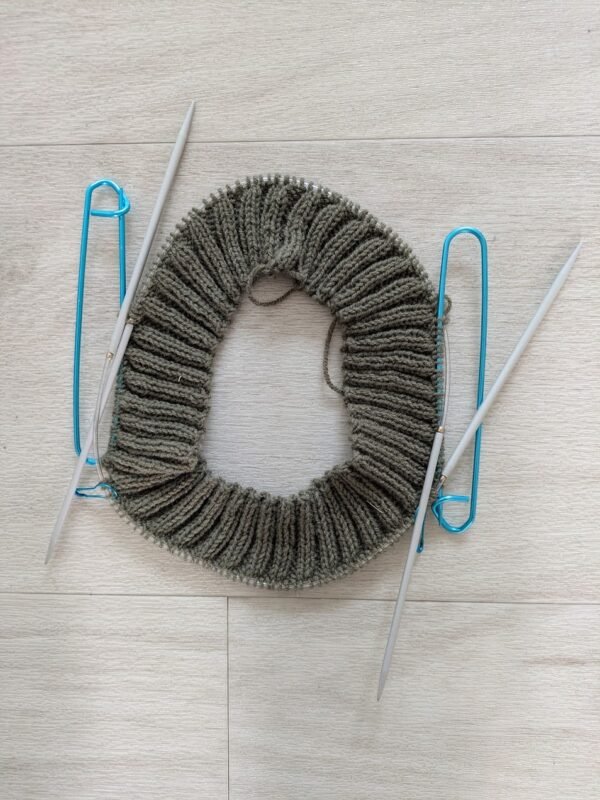
To recreate the signature fluffy texture of real eiderdown, she holds merino and mohair together, brushing out the finished beanie for maximum loft. Knitted in a squishy half-fisherman's rib, it balances sharp lines with everyday outdoor comfort.
Alanis is a knitter who pushes the craft in unexpected directions. Based in Shropshire, England, she recently completed a Master’s in Sustainable Fashion. Her final project explored the speculative idea of “living knitwear”. Garments that give voice to the natural world they come from.
Since learning to knit in 2021, storytelling has been central to her practice. For Alanis, every garment carries memory; of fibres, landscapes, and the life cycle often left unseen. Her work brings together sustainability, speculative design, and a deep curiosity for the more-than-human world.
I would say maths. There is so much maths that goes into knitting - I have pages of calculations in my notebook. This has helped me work out stitch counts, pattern repeats, measurements etc. to ensure the finished knit fits well. For example, when sketching and
planning out my design I had initially opted for fisherman’s rib to create the fold of the hat
with the crown of the hat and colourwork knitted in stockinette. However, I soon realised there was quite a big difference in gauge. This led me to rethink my design. I instead
tried out a half fisherman’s rib which still created this thick and squishy fabric I had hoped for whilst also offering a closer gauge to that of my stockinette swatch. This would
make for a smoother transition from the fold of the hat to the crown. To me this highlighted the unique ways yarn works and how we as makers are guided by our medium
There have been practical issues as mentioned above. However, fashion is an artform
and that too is true for knitting as a fibre art. Art is also subjective, it’s open to
interpretation. Therefore, there’s a consideration of how others may interpret the stories
we wish to tell. I think this is something I have tried to lean into, allowing space for
interpretation as my design blends both direct and more broader sources of inspiration. I
hope that this blend of references may create different points of interest but each will tie
back to the story I wish to tell through the design whether that be the direct nod to the
eider duck houses through the colourwork repeat, or the soft and fluffy nature of the
mohair - reminiscent of that of eider down, or my chosen colour palette inspired by the
Vega landscape and the eider ducks themselves. There are various points that each
come together to tell this story and I hope that whichever draws people in will bring them
closer to it, so that they may too be a part of this story to then go on and express it in
their own way to further raise awareness of the conservation issues the eiders face
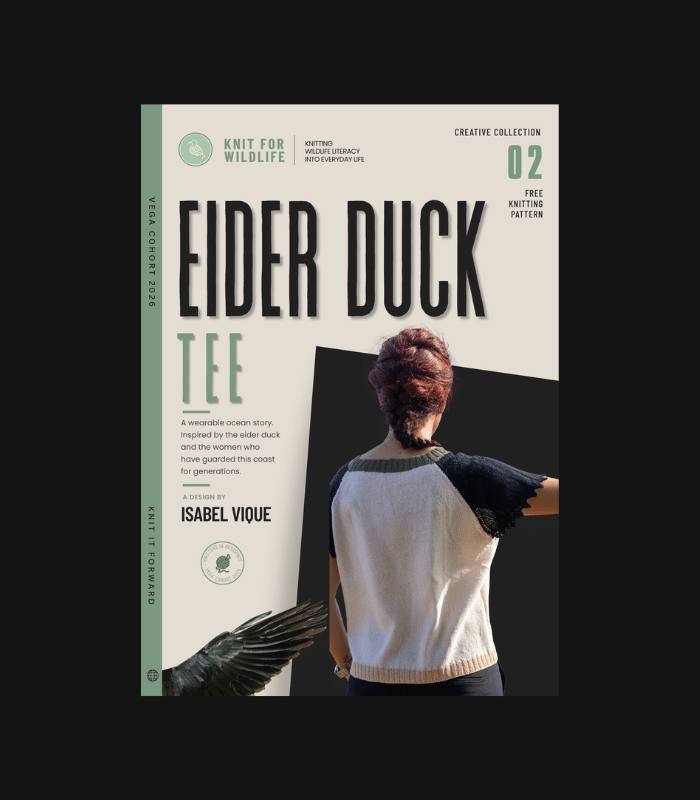
ISABEL VIQUE
The Eider Duck Tee.
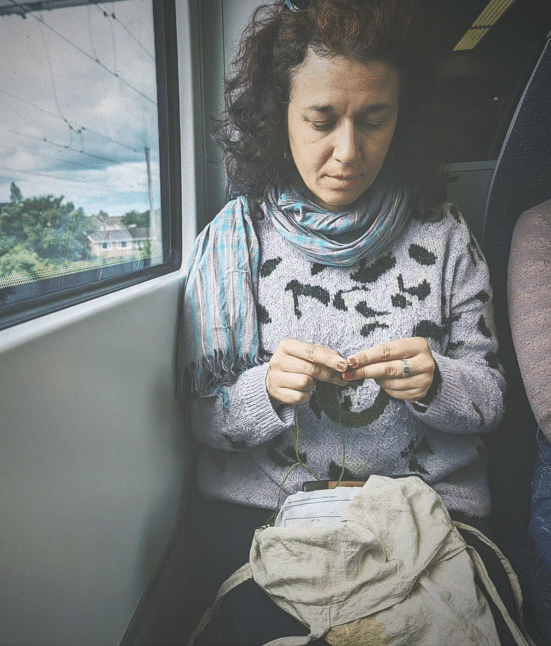
Isabel is designing a cozy, everyday tee inspired by the core concept of sanctuary. Her piece is built entirely around the ideas of vulnerability, conservation, and the shared need that both humans and wildlife have for protection.
The design is meant to feel like an immediate refuge, wrapping around the wearer like a warm, protective layer against the outside world. By bringing the protective spirit of the Vega archipelago into a wearable top, Isabel balances mindful storytelling with comforting, daily wearability.
She’s a conservation biologist (WWF, ZSL, Fauna & Flora, Re:wild etc). But also the kind of knitter who brings yarn everywhere.
And we mean everywhere.
She designs, co-founded a knitting community in Cambridge, and somehow manages to turn science and wildlife into pieces you can actually wear.
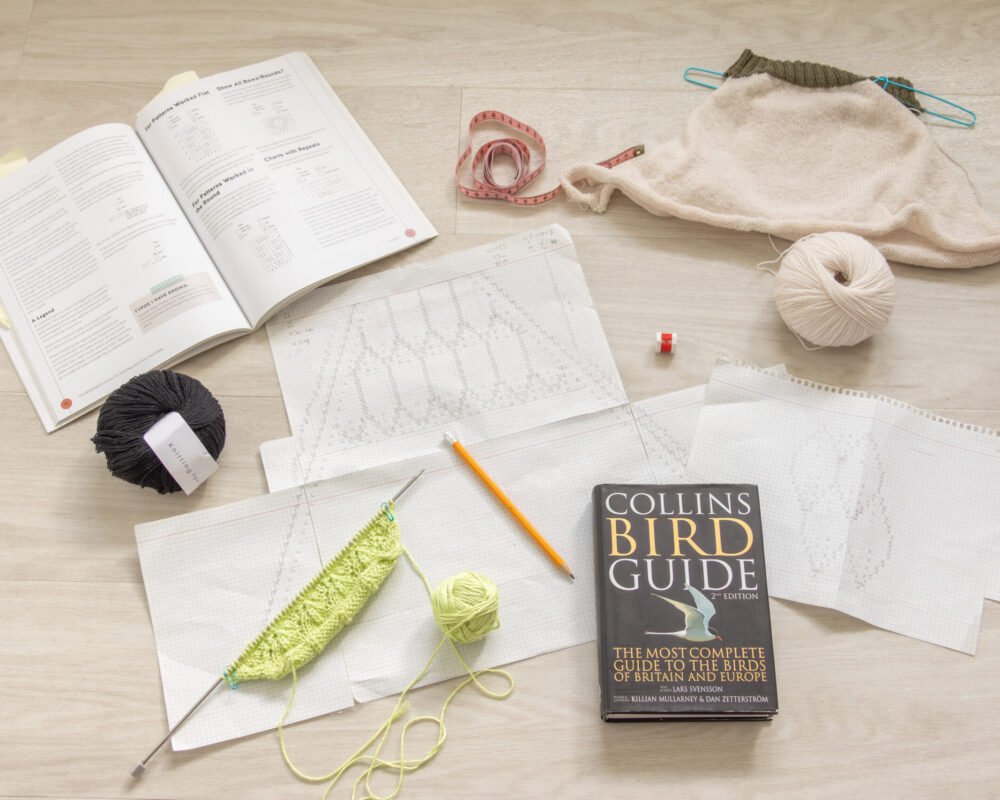
I have been learning how to “draw” figures through the use of different stitches. Although I had experimented with this technique before, this project has allowed me to explore it in much greater depth. It is also my first experience creating complex charts connected to this process of “drawing” with stitches. This aspect has become central to the project, while also adding an important layer of learning and discovery to the experience.
I hope they feel a sense of warmth and comfort, as these are some of the emotions I am trying to weave into this piece — one that is designed to wrap around the wearer, offering protection and refuge from the hardships of the outside World. My whole project is about conservation, vulnerability, and the need every species has to be protected.
As a scientist, I am often trying to communicate complex knowledge, and I find it challenging to simplify it and, most importantly, to identify the key points that best serve the story I want to tell, rather than sharing all the fascinating information I have accumulated.
The wool!
A delicate "egg" motif
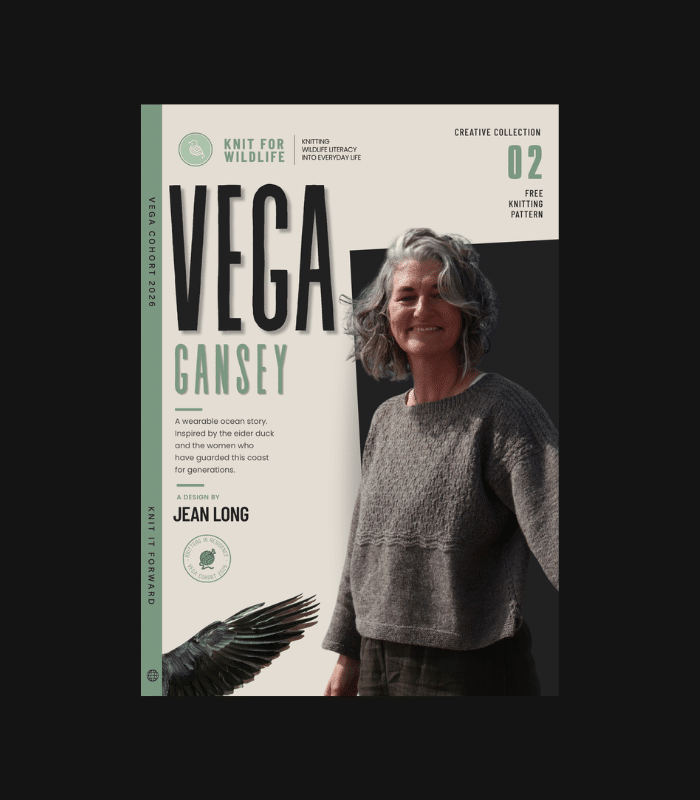
JEAN LONG
The Bird Tender Gansey.
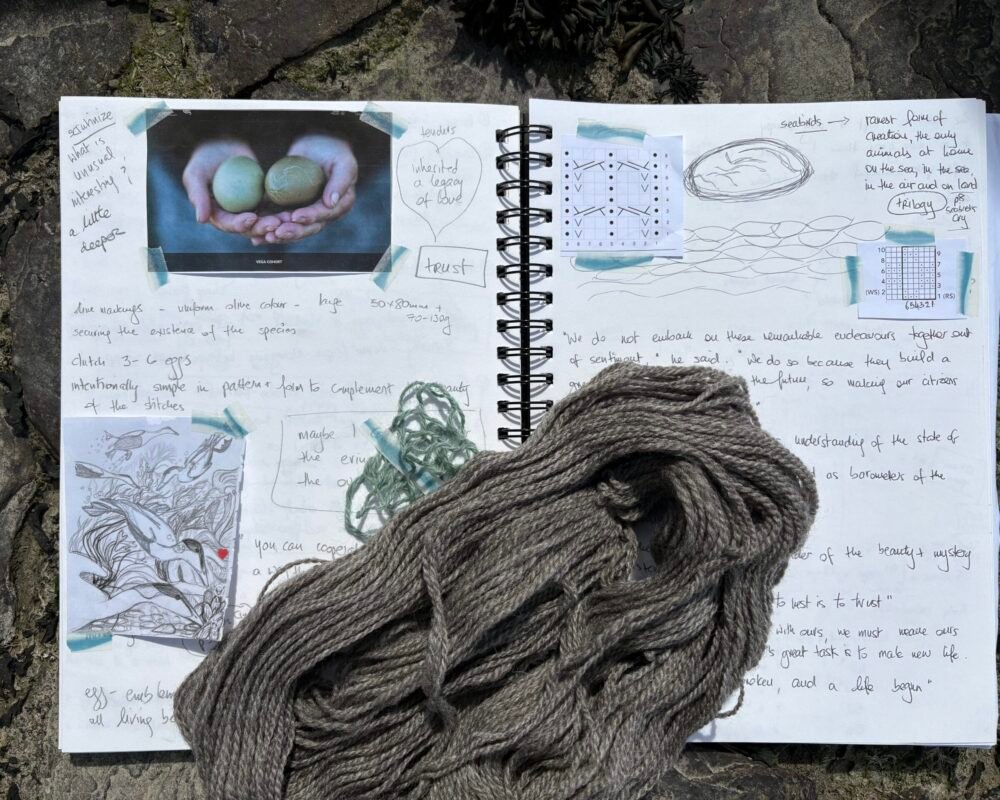
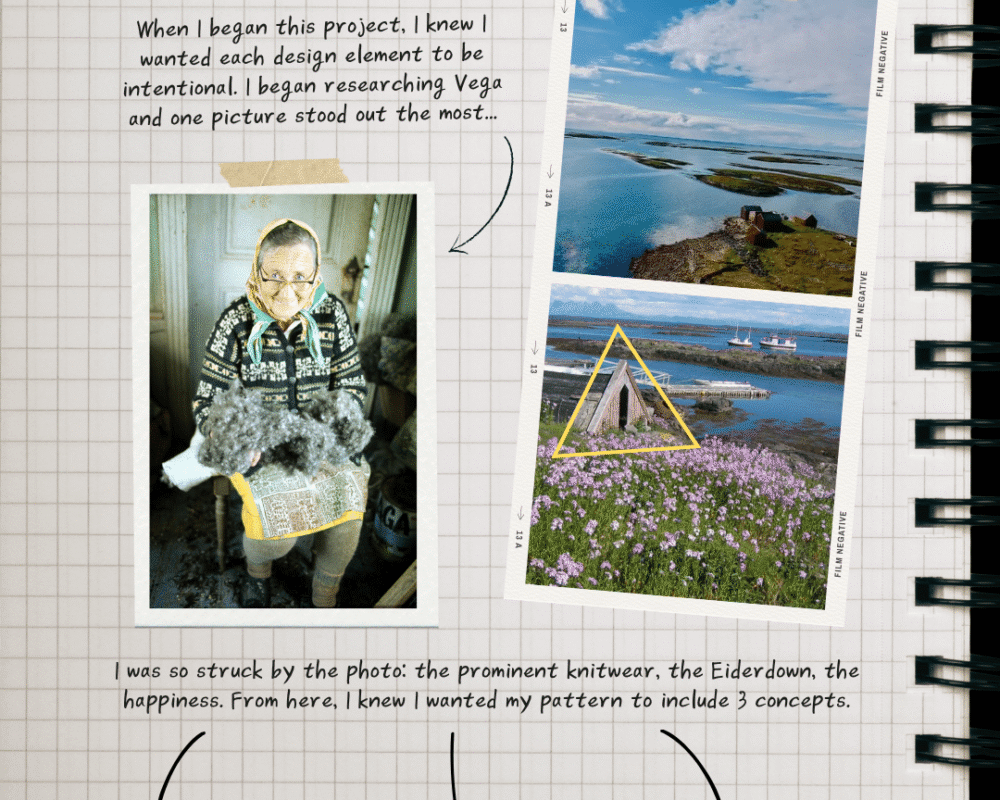
Jean is knitting a heritage gansey sweater inspired by a single photograph: Human hands cradling vulnerable eider duck eggs. The design centers on the pure trust between wild sea ducks and the island guardians of Vega, Norway, who spend weeks preparing nests and warding off predators during the brief month the birds come ashore to breed.
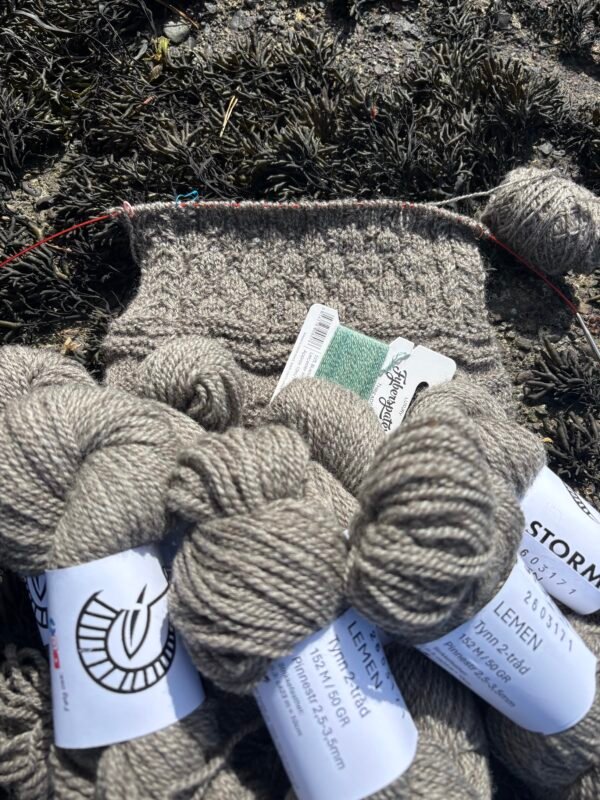
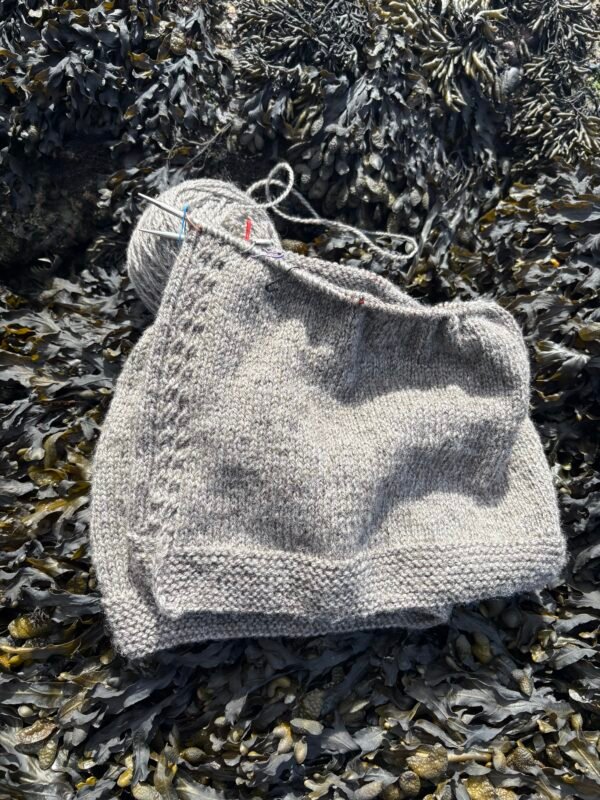
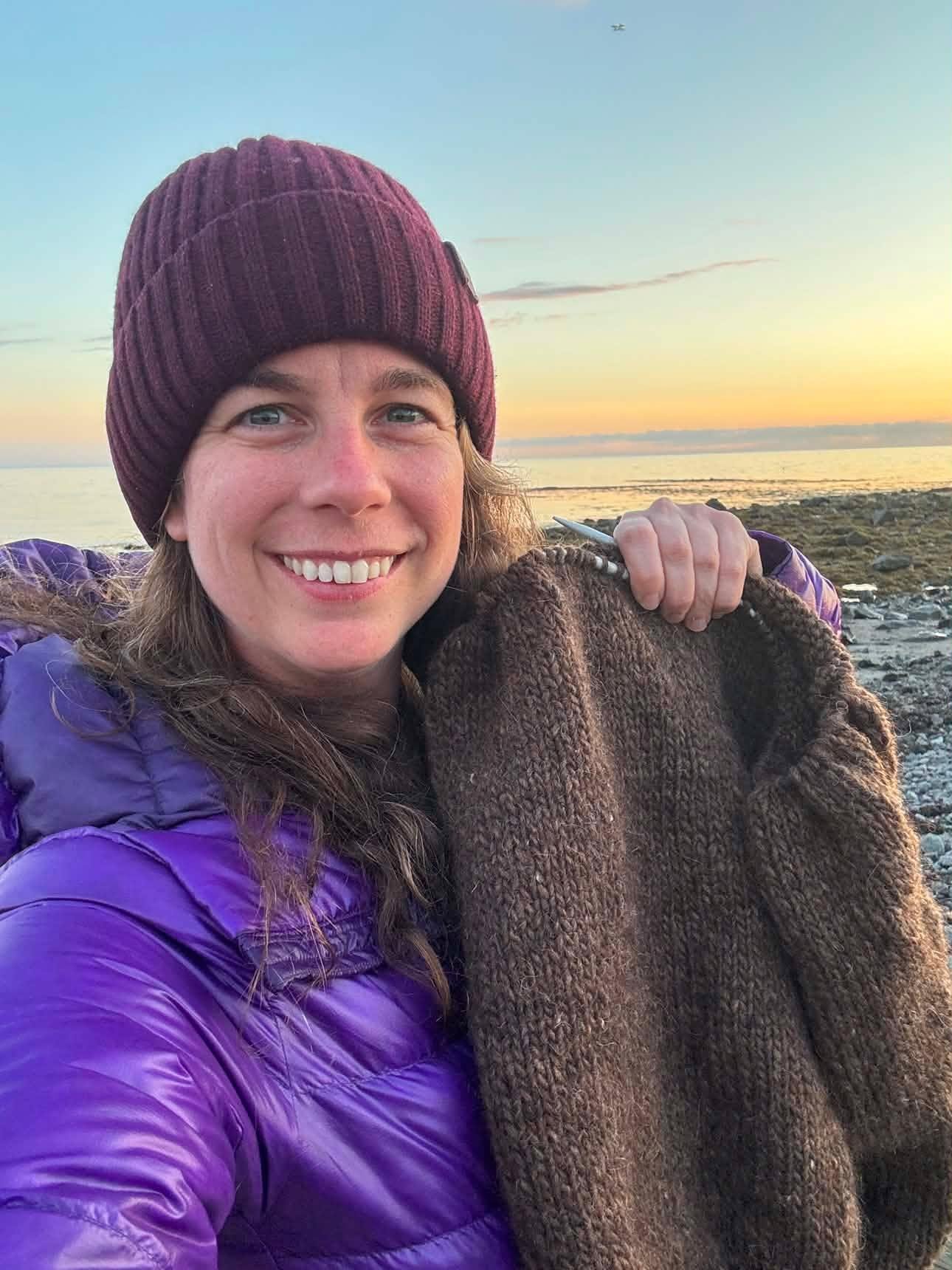
Knit in the round from the bottom up, the sweater connects traditional Irish gansey construction with local Norwegian wool sourced directly from the islands. The texture brings the Arctic landscape into the fabric, featuring a delicate "egg" motif nestled in garter-stitch waves and framed by twisted seaweed.
Jean comes from a long line of fishermen and their families on Cape Clear, off the south west coast of Ireland. She knits professionally for designer Conor O’Brien in Dublin. Her work has been shown at Dublin Independent Fashion Week and the World Wool Forum in Rome. She also teaches and works with Fibreshed Ireland, moving between heritage, craft and contemporary knitwear.
Through her Geansaí Chléire project, she has gone back to a gansey from 1920; reverse engineering it, recording it, and bringing it back to life.
“The project has been very personal for me. Ganseys were knit by local women to protect fishermen at sea, but they are also stories of identity, resilience and place. It has allowed me to explore my ancestry in a tangible way. And to highlight the largely undocumented contribution women made.”
The wool! Finding wool from Stormdal Ull, from the islands where the eiders come ashore to nest has been central to my project. It was not at all what I had planned to do. I did not even know it was a possibility! I was looking to work with gansey wool to showcase the stitches but I ended up working with a soft and very precious local fibre which is undyed and carefully spun in Helgeland. It is important to me as the wool is very strongly connected to the islands and the natural colour of the sheep’s wool makes me think of the colour of the eiderdown which lines the nest and keeps the eggs warm. Maybe the sheep have spoken to the ducks on the islands….
I hope they would think the sweater beautiful but that they would feel curious, that they would maybe ask questions about some of the design elements and stitch patterns that I chose to use in the sweater and perhaps ask questions about the story it is trying to tell.
Narrowing down the images and ideas. There is so much I want to say about seabirds and the eiders, in particular, and the relationship they have with their guardians in Vega but there is only so much I can “say” in one jumper. Jessica reminded me that the collective of the group can tell the whole story, my challenge is to focus on what I can contribute to the story. I have drawn on my coastal heritage from Cape Clear and designed a gansey for the eider tenders which is very much linked to Vega through the wool and the stitch patterns and hopefully it conveys the trust and connection between the eider and her guardians.
SYDNEY O'SHAUGHNESSY
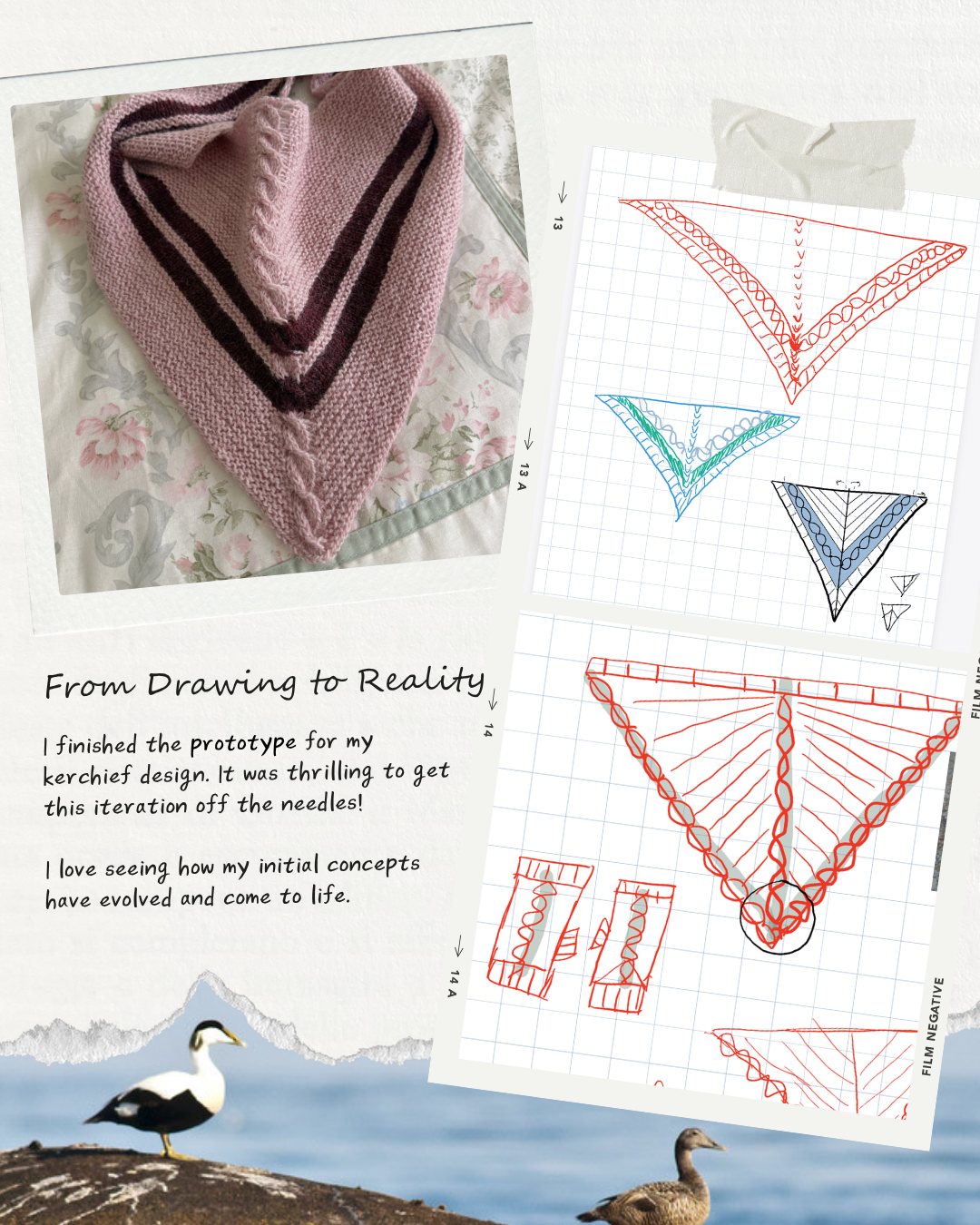
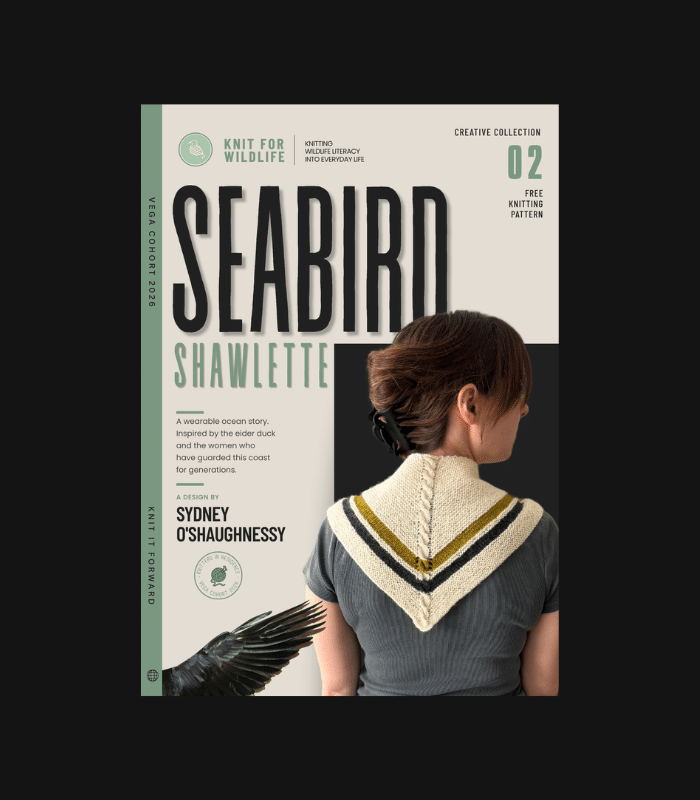
The Eider Tender Kerchief.
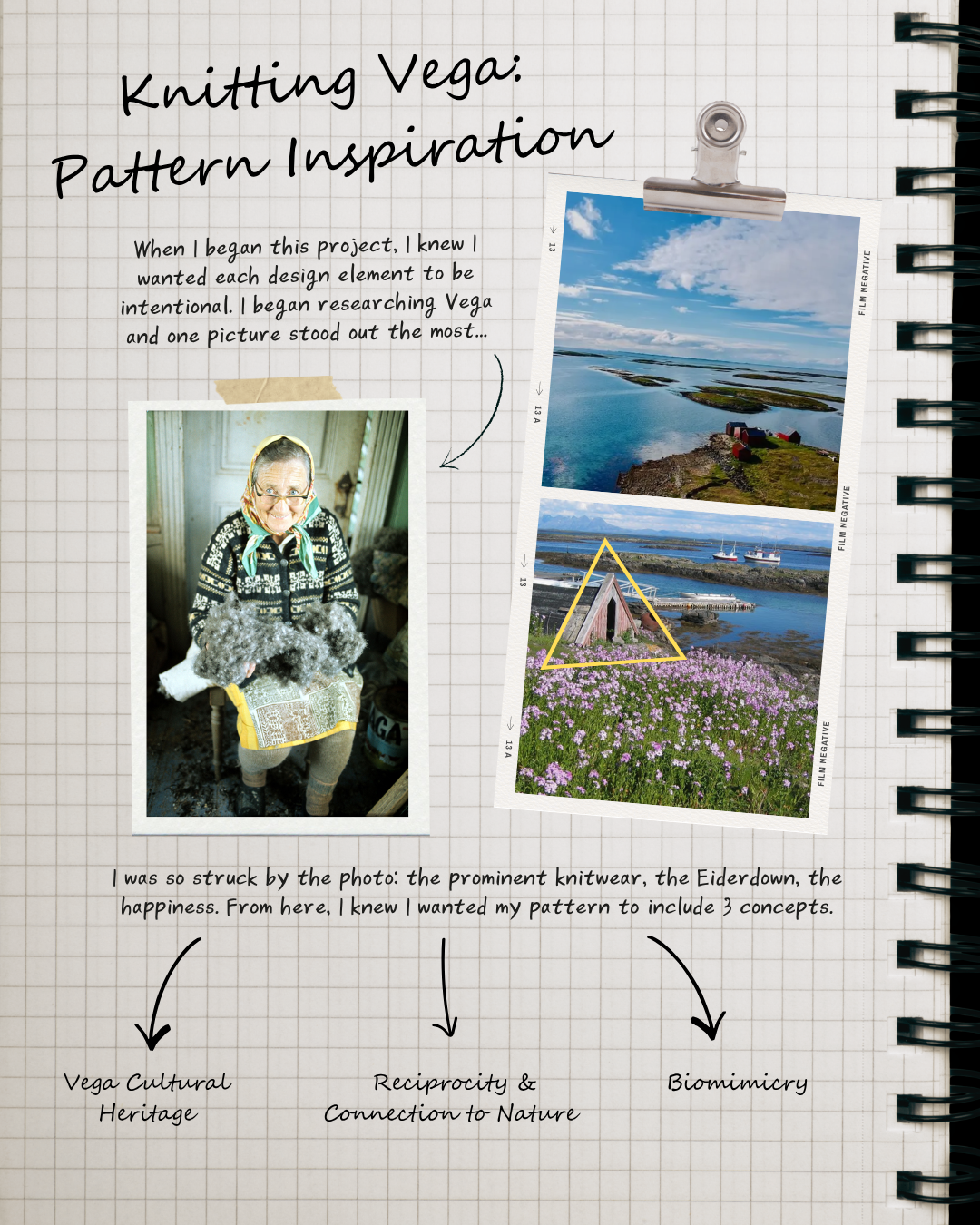
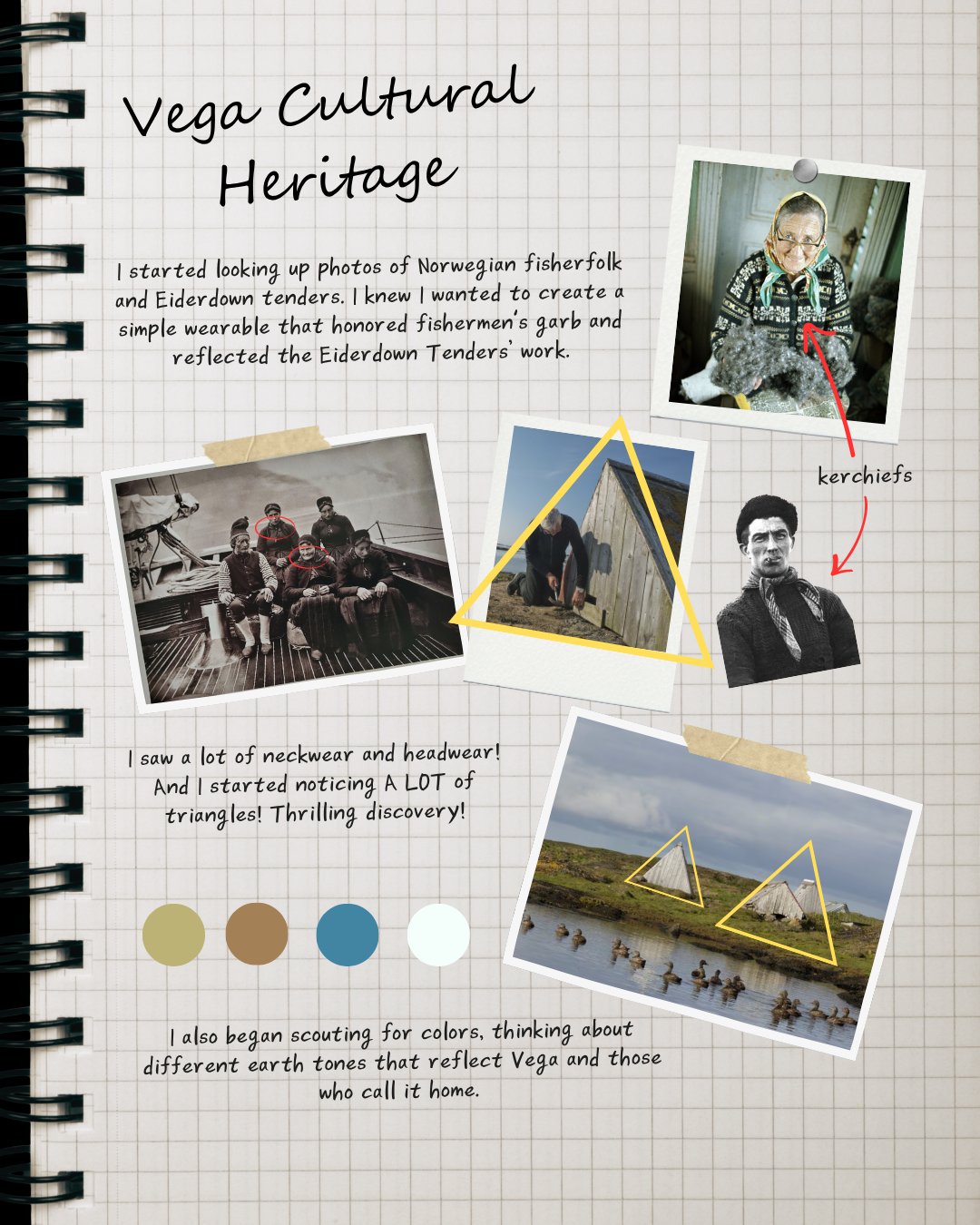
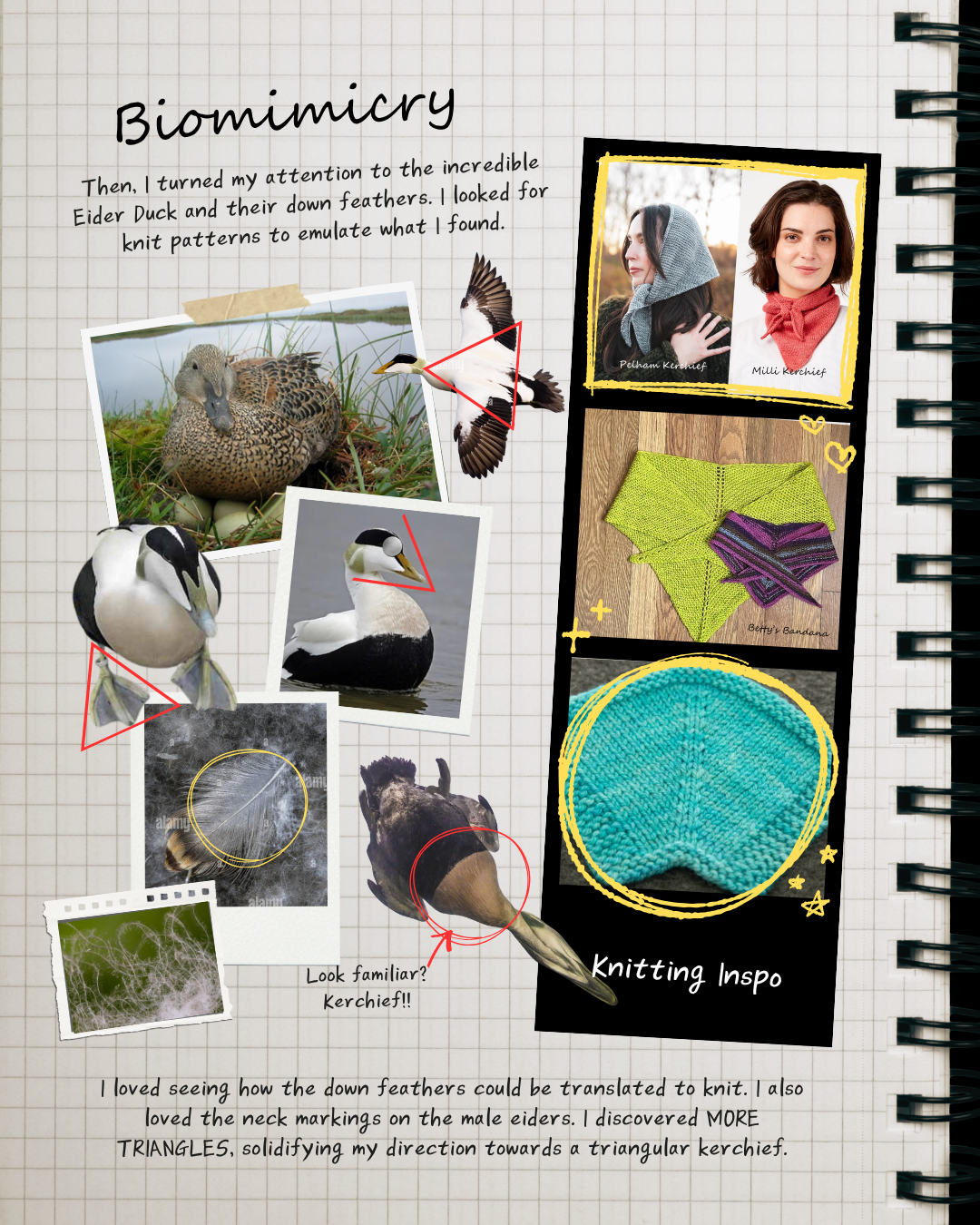
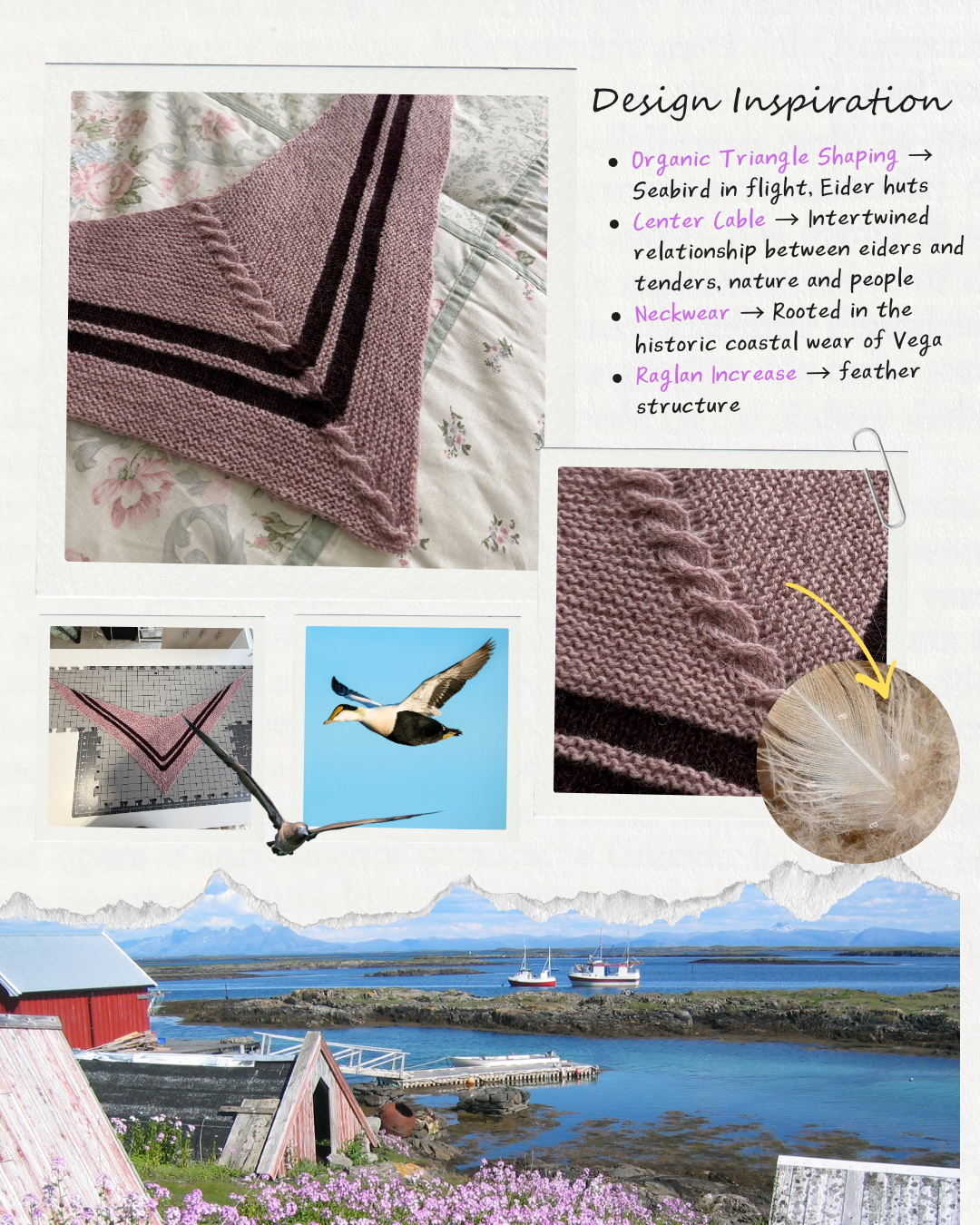
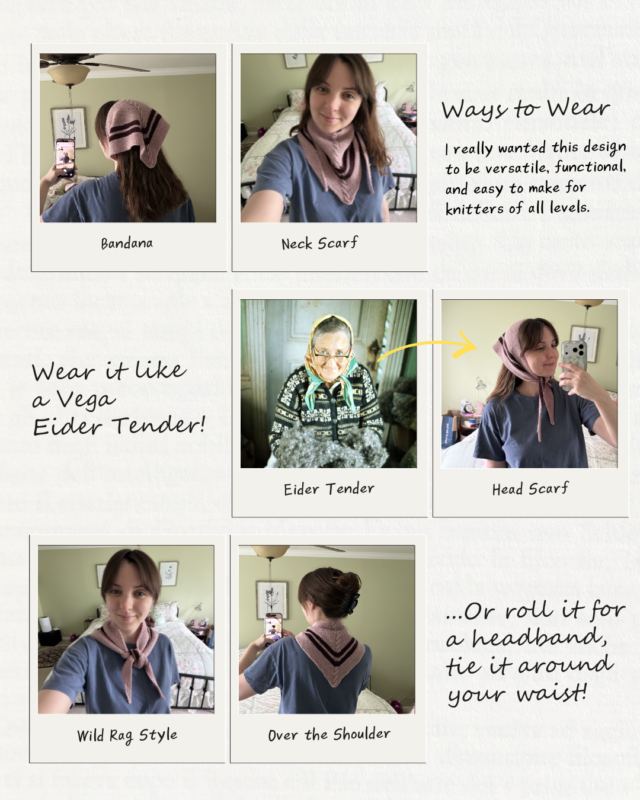
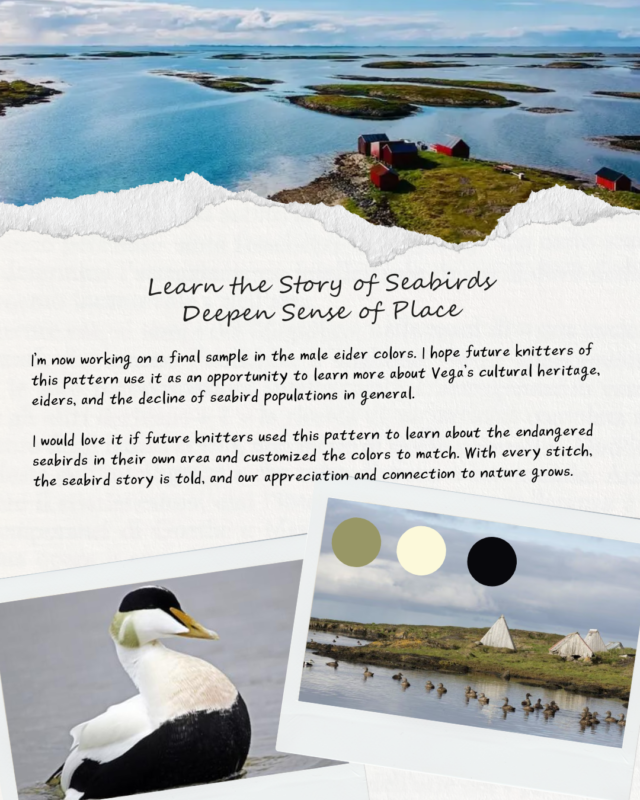
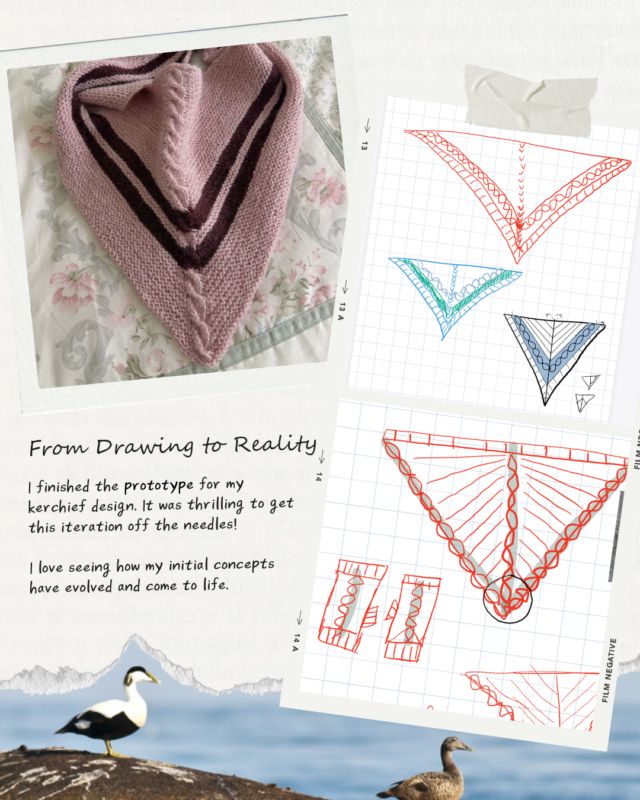
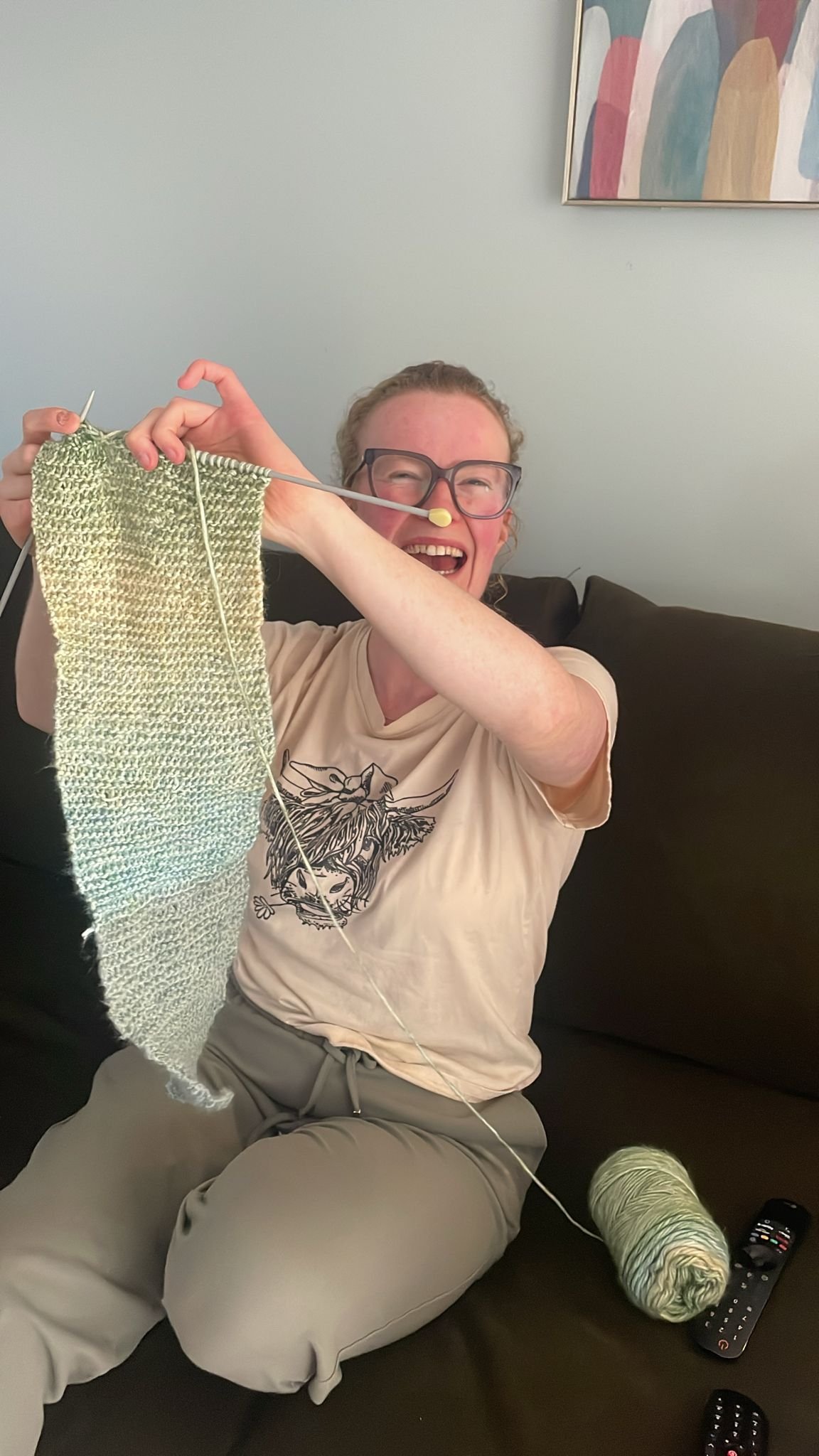
Sydney is designing a highly versatile, functional kerchief inspired directly by the traditional neckwear and headscarves worn by Norwegian fisherfolk and eiderdown tenders. Built using an organic, downward-facing triangle shape, the piece mirrors the architecture of the coastal eider huts and seabirds in flight.
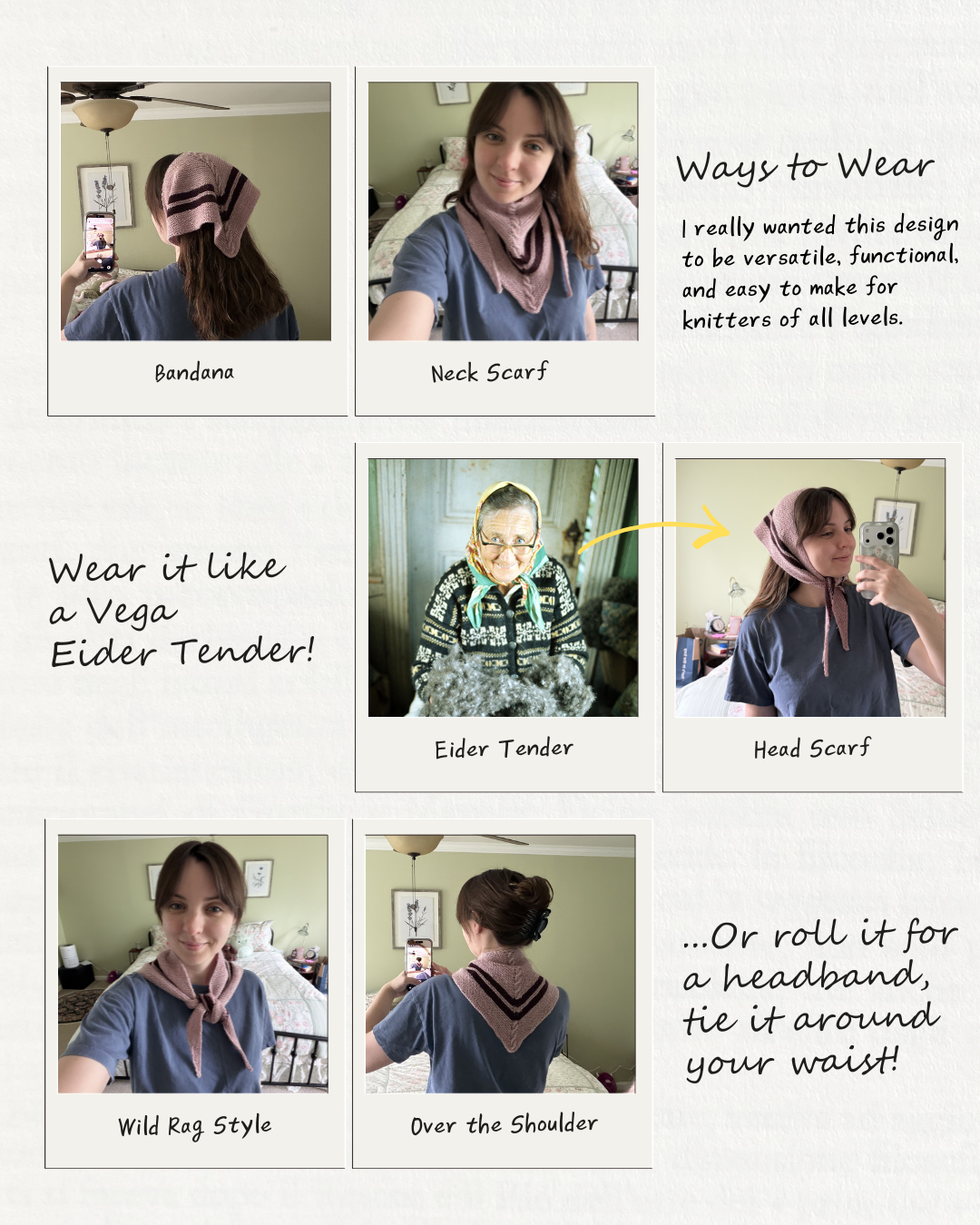
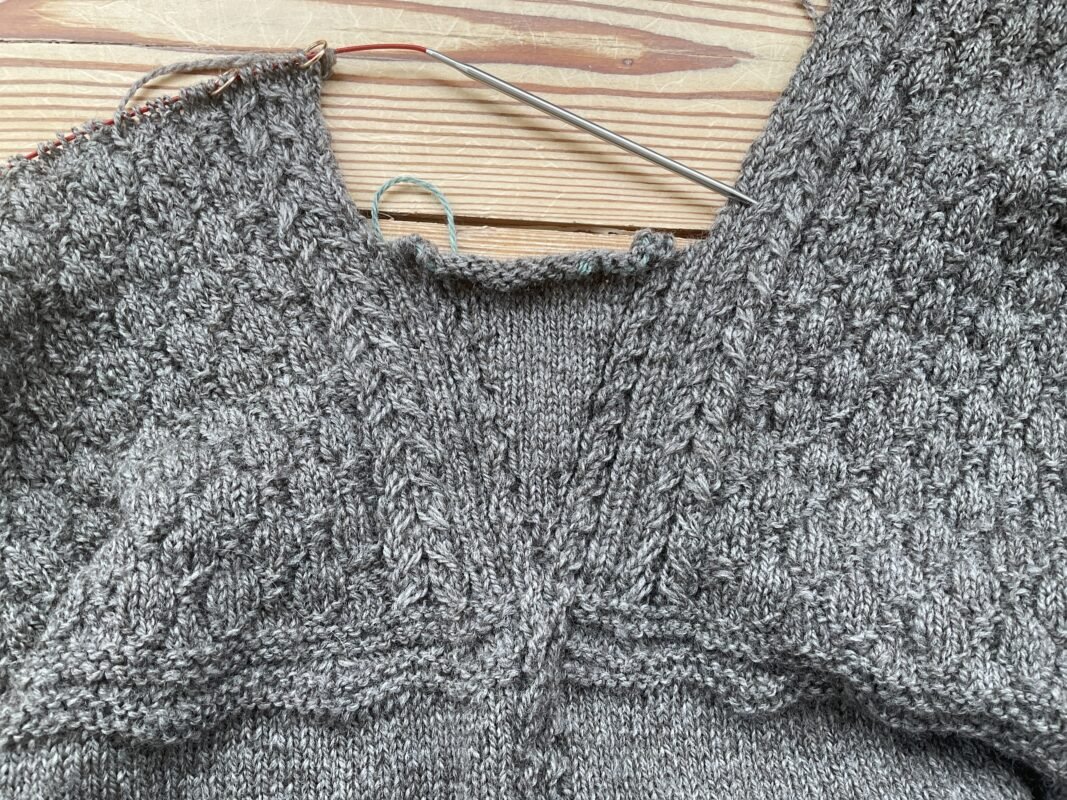
The piece is packed with deliberate, organic details: A prominent center cable symbolizes the intertwined bond between nature and the island tenders, while the raglan increases mimic the delicate structure of a bird's feathers. Rendered in muted earth tones that reflect the Vega landscape, this highly wearable accessory is designed for knitters of all levels and can be worn as a bandana, neck scarf, headscarf, or headband.
Sydney connects craft and communication in everything she does. Based in Washington, D.C., she is Director of Communications at the Rachel Carson Council. Translating environmental issues into stories that inspire people to care, and act.
That same instinct runs through her knitting. She builds communities around making. From leading fiber initiatives to founding a large craft club at the National Academies of Sciences, Engineering, and Medicine. Where scientists gather through knitting, sustainability, and shared learning.
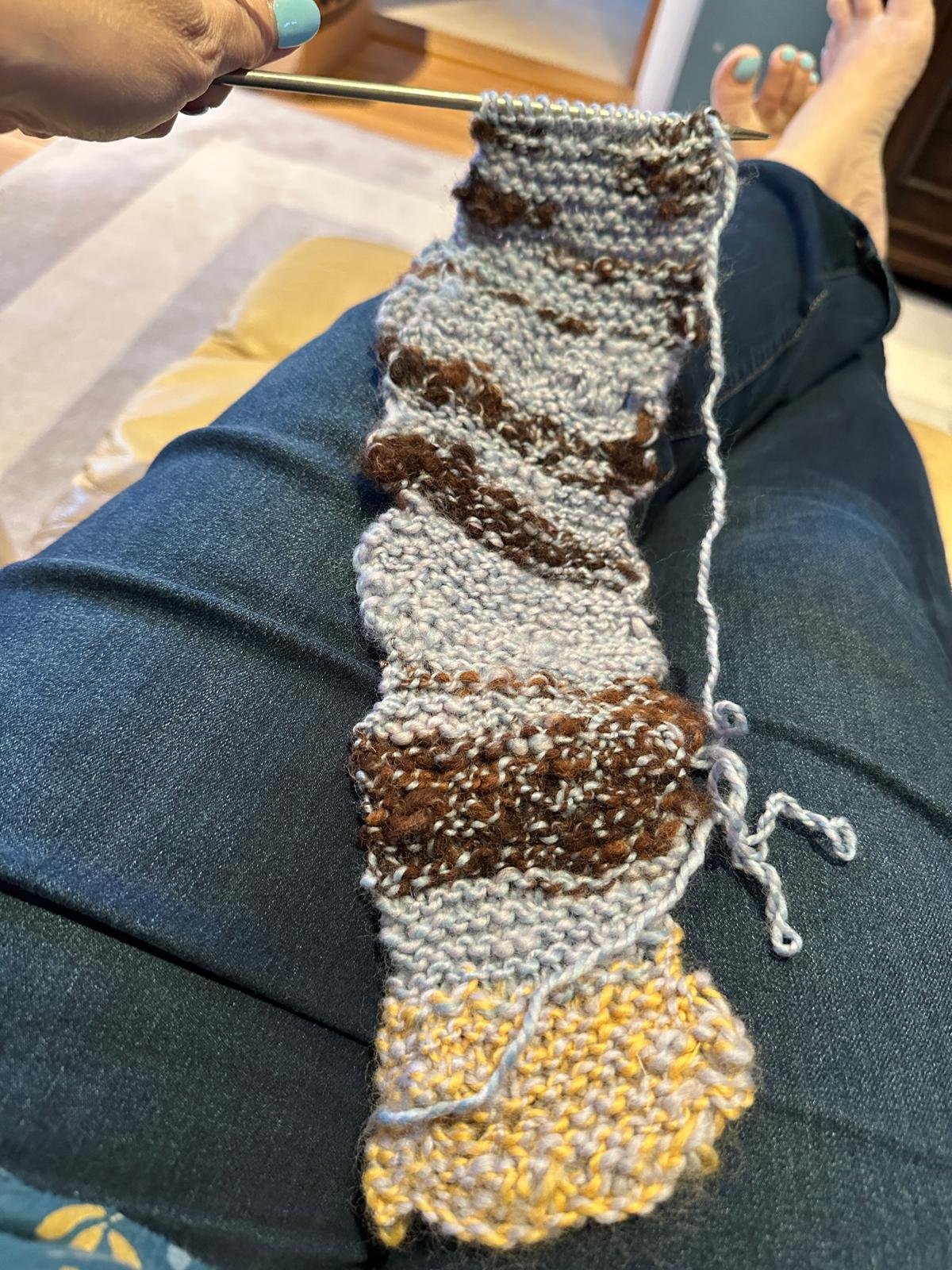
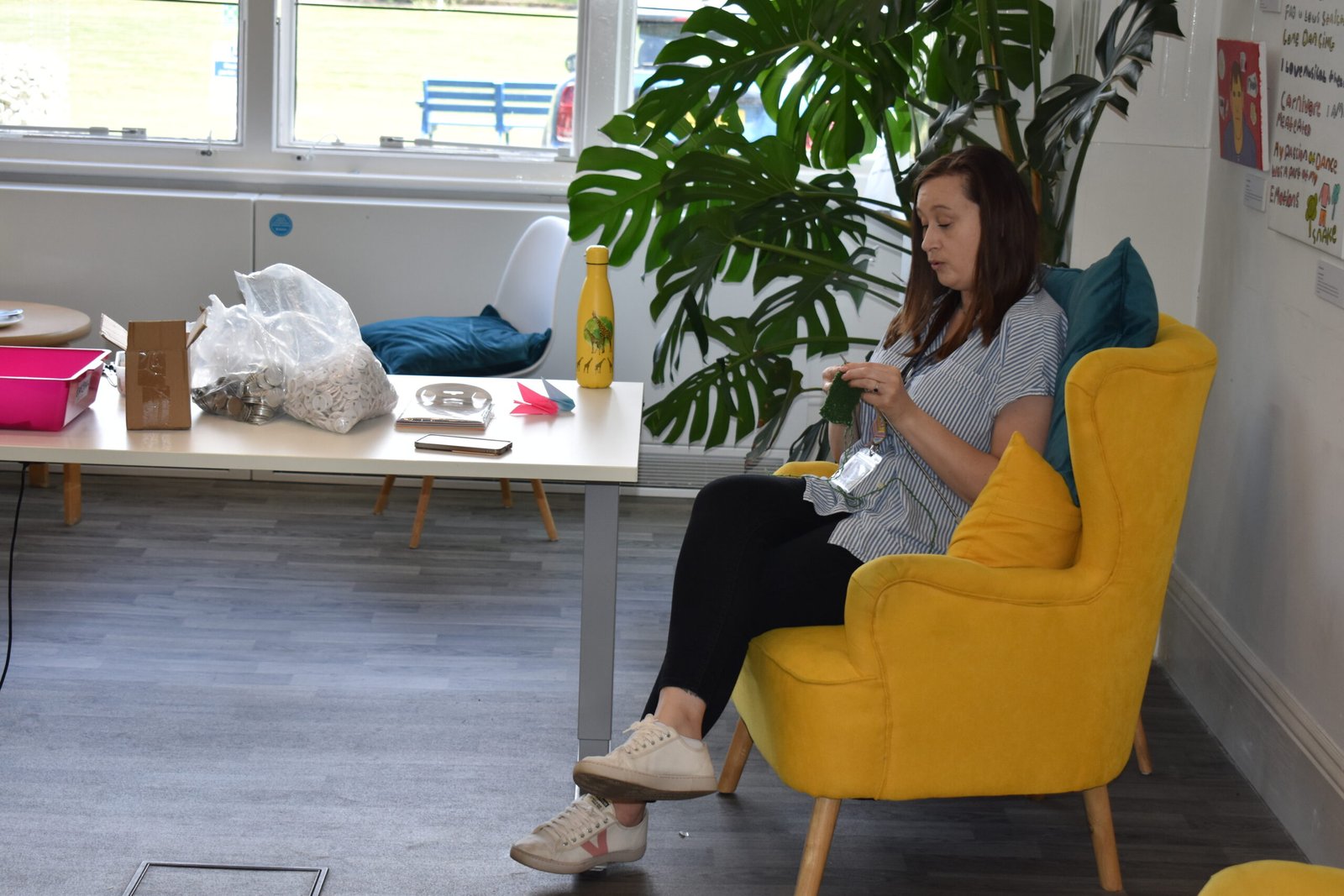
Her strength is creating the conversations that happen around knitting.
I would hope they would like it! And be interested in asking a question about it! My design does not have an immediately recognizable connection to wildlife, but I'm hoping it will start a conversation, which can lead to deeper discussions about conservation and stewardship.
For me, the biggest challenge has been to keep the design simple and focused. There are so many stories to tell about seabirds, eider ducks, eider tenders, and Vega, it is hard to narrow the design down! What has kept me on track is knowing that I am just one of an incredible cohort of knitters working to tell these stories. I hope that any one of our designs can serve as an entry point for future knitters to learn Vega's story, and inspire them to use their craft for wildlife conservation and environmental stewardship. Knitting is an incredible tool for telling environmental stories, spreading awareness, building community, and helping people feel more deeply connected to—and in awe of—the world around them.
How to Wear it!
Colour Palette!
The Pattern!
OPEN STUDIO
Shared knitting.
While the Residents develop their individual pieces, 11 international designers are working side-by-side in our virtual Open Studio. Spanning from the rugged coast of Newfoundland and the fjords of Norway to Portugal, the United States, and New Zealand, these knitters are connected by a single, urgent theme: the delicate ecosystem of the Vega archipelago and the global crisis of seabird decline.
Operating as a borderless collective, the Open Studio highlights that environmental vulnerability isn’t isolated to a single island group—it is a shared global story. Through their collective needles, these 11 designers are turning regional heritage, conservation data, and raw craft into a unified, worldwide response to protect our shared oceans and skies.
Photo: Knit by Cheryl Pech
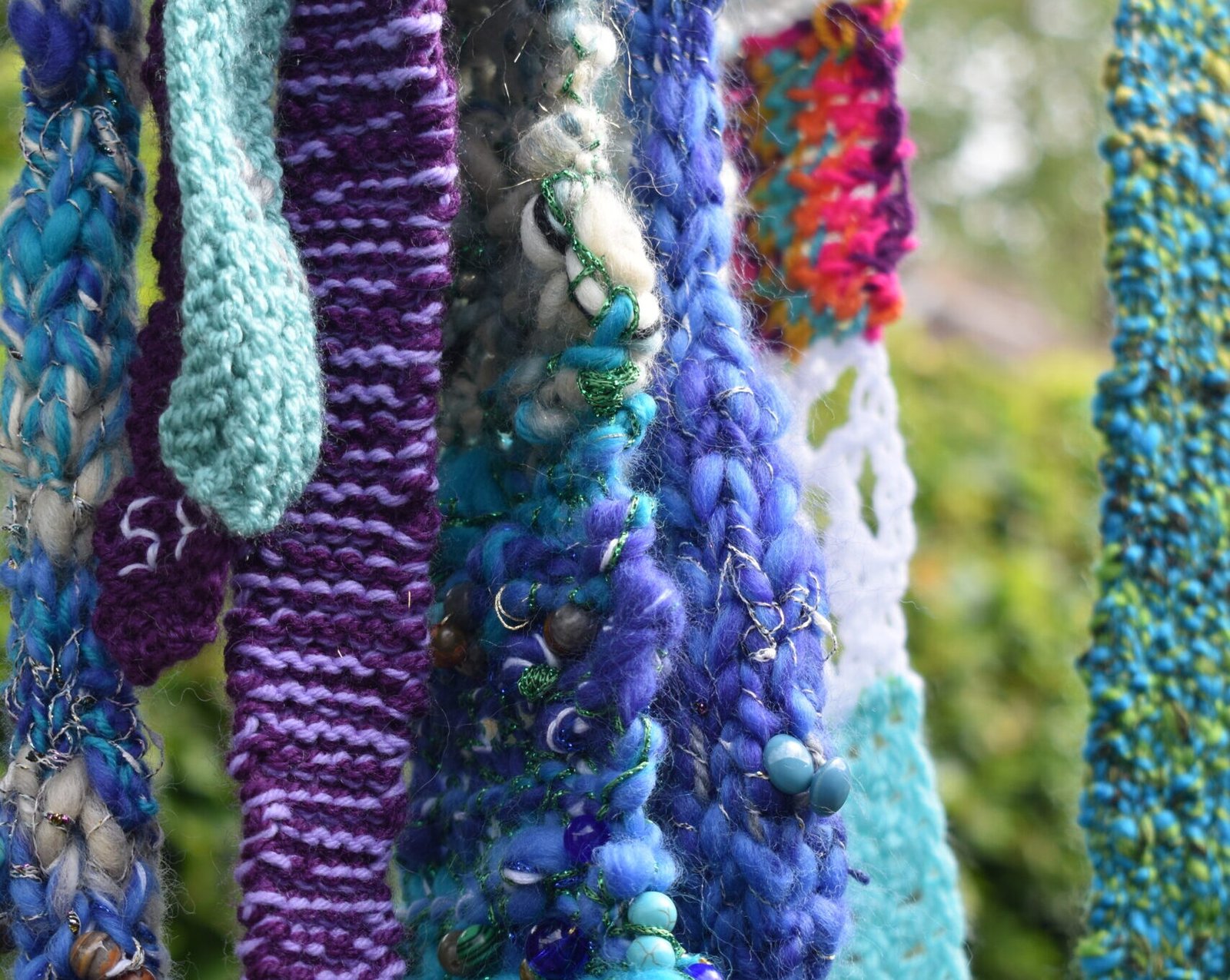
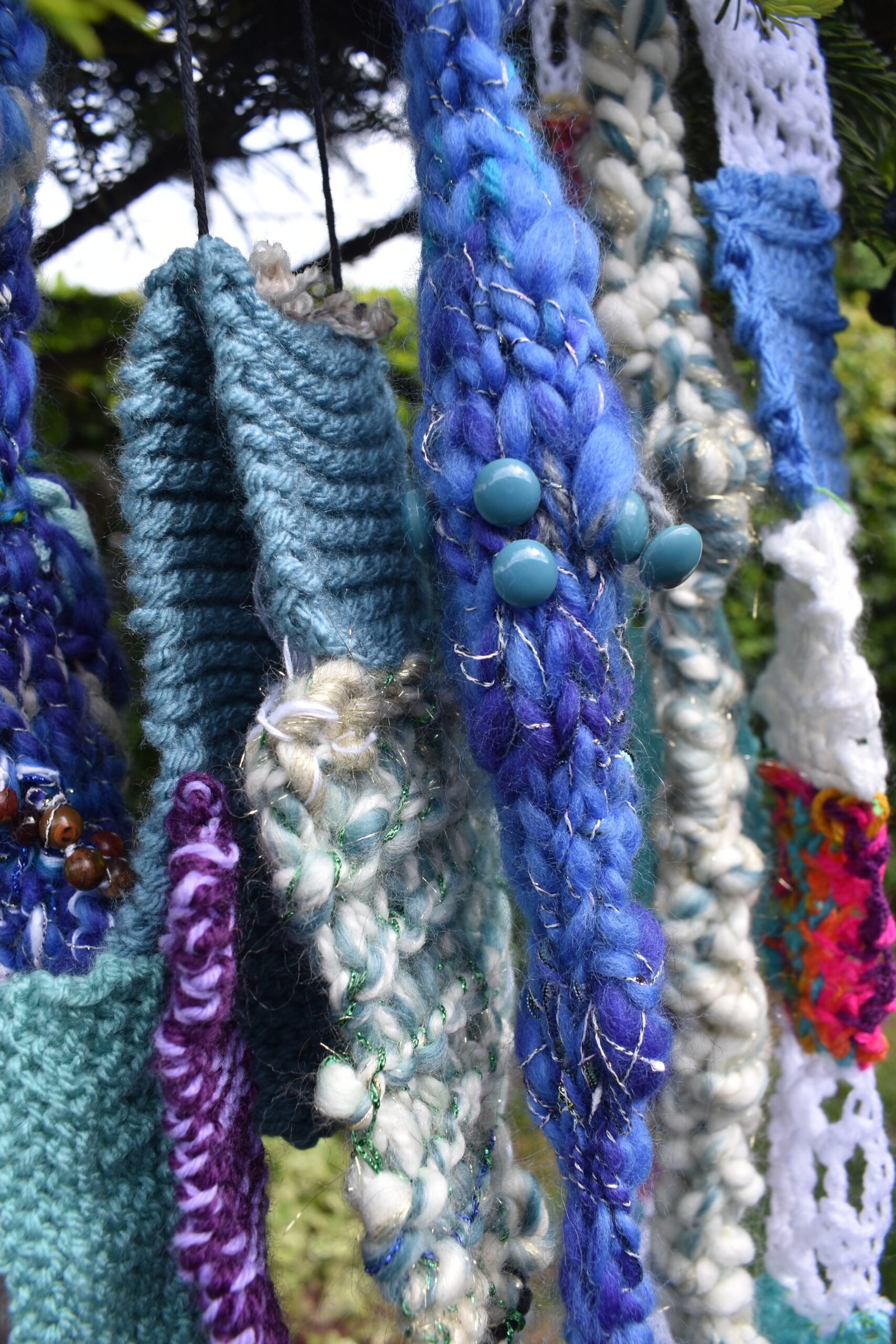
Co-creational Seaweed Forest
A concept by Kellie: "I became interested in the seaweed and kelp forests surrounding the Vega islands, and the importance of this material for the people and wildlife to continue this sustainable practice. Bird Tenders use knotted wrack to make nests that protect the eggs and the valuable down that is sustainably produced, representing a rare model of long-term human wildlife coexistence. The weed is gathered, dried and prepared into nests for the birds arrival. It is a lengthy and tiring process to prepare large numbers if nests at the beginning of each cycle. My intended outcome is to produce a selection of seaweed related designs that can be produced by multiple people to create our own 'seaweed forest' together, sharing the story of Vega's eider ducks."