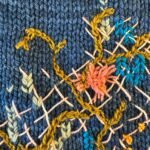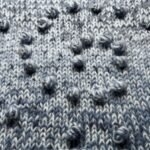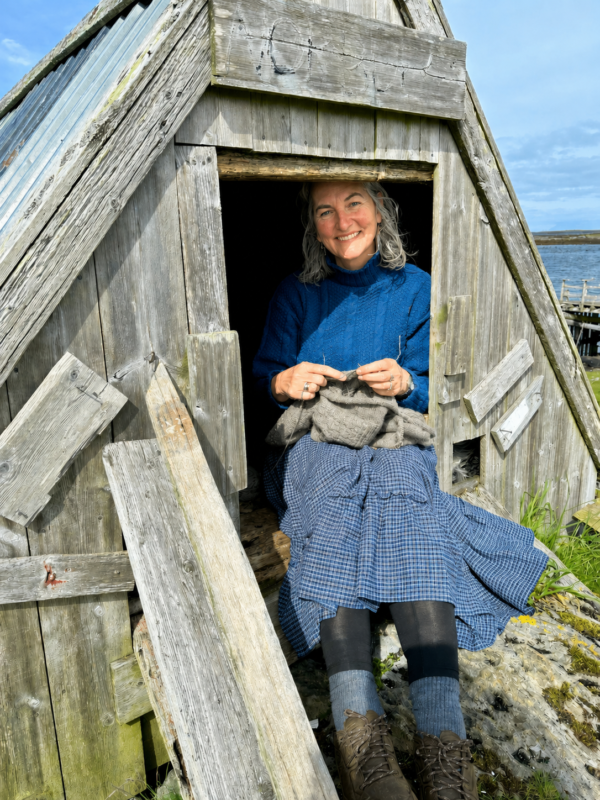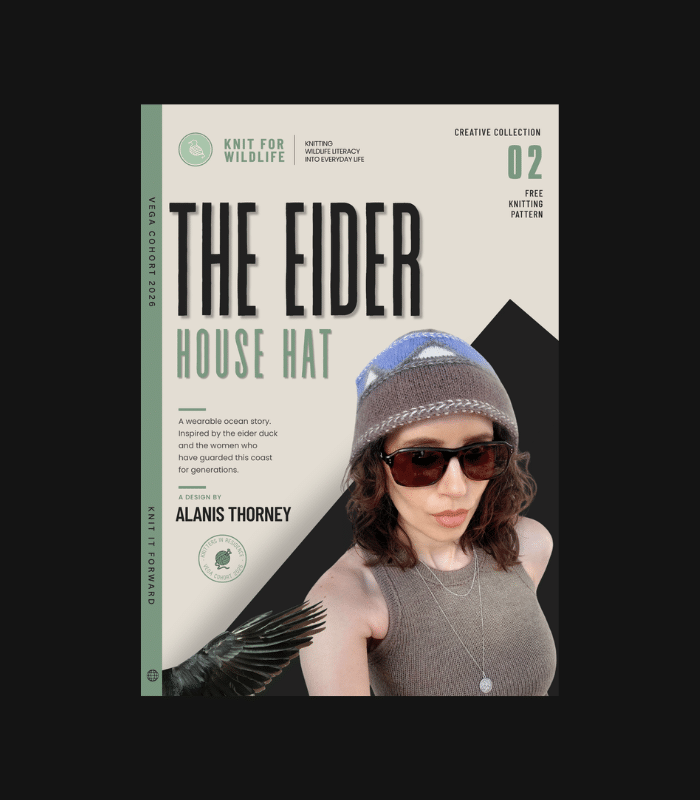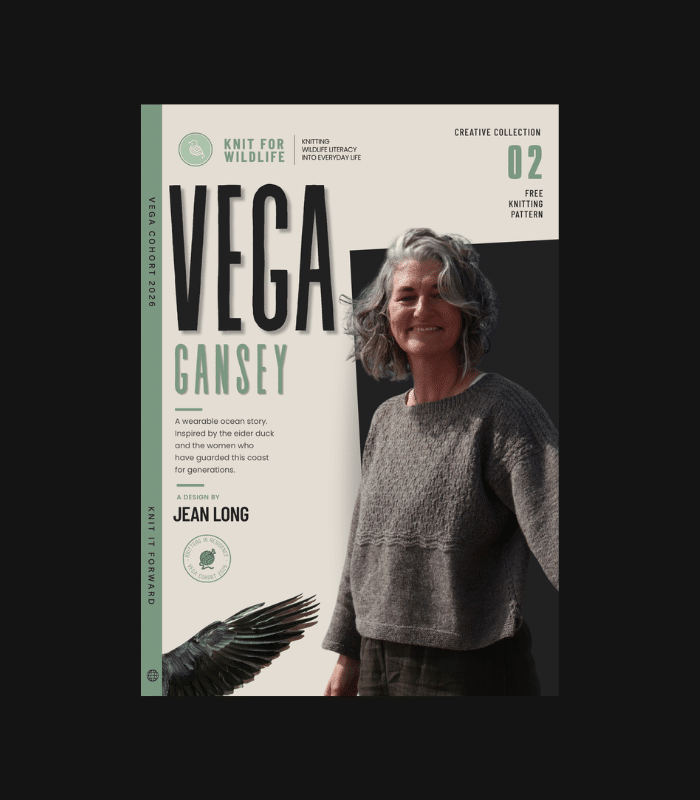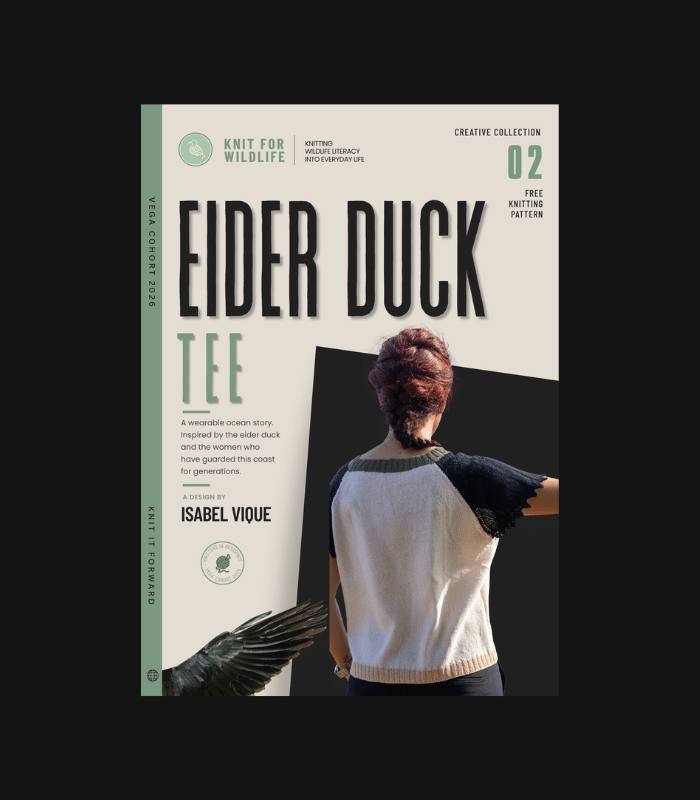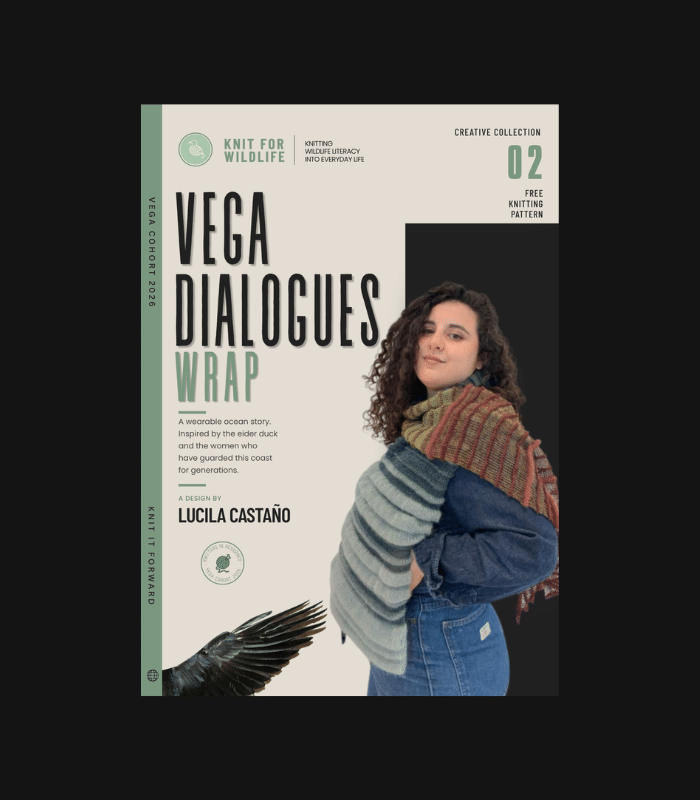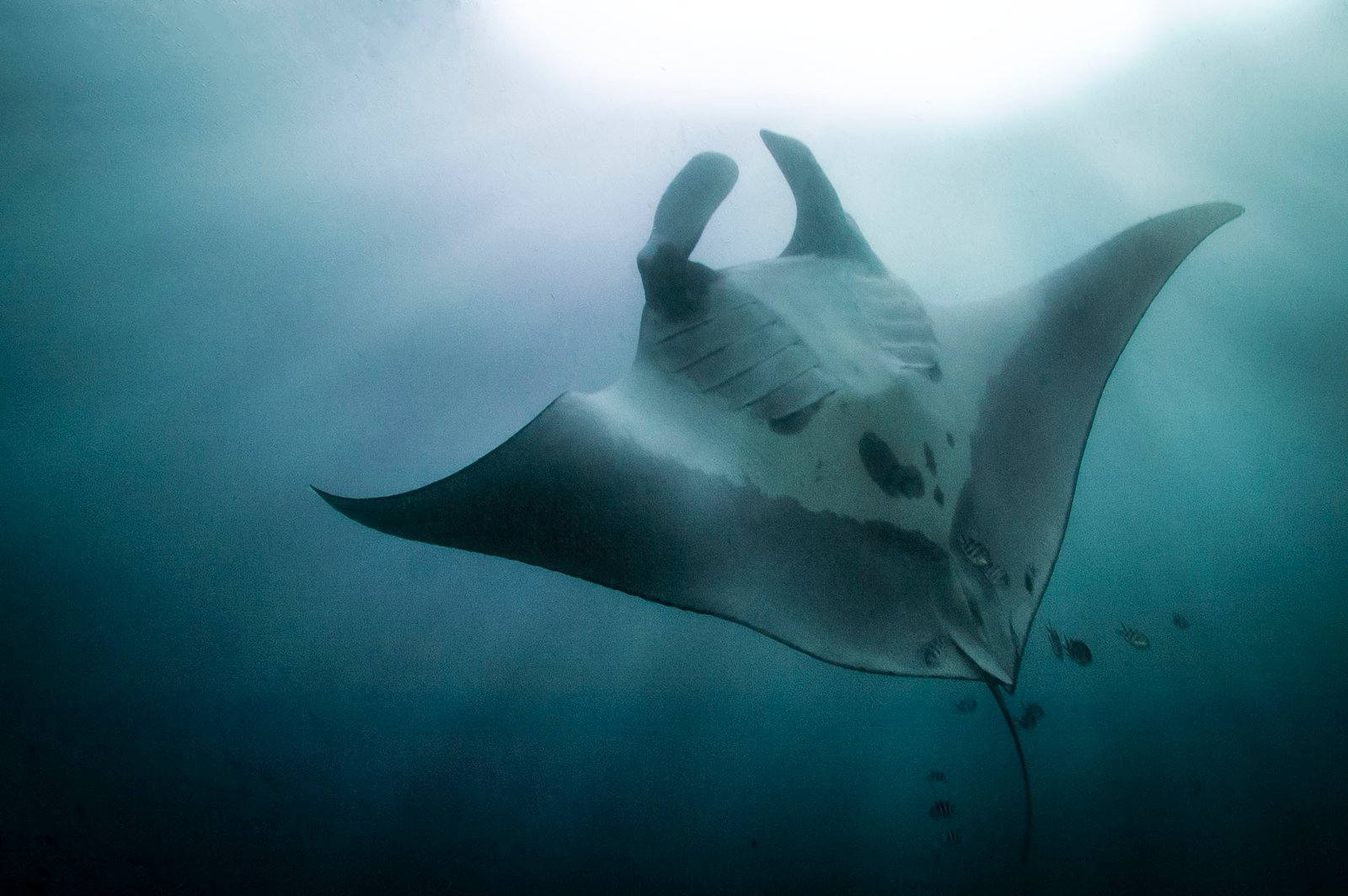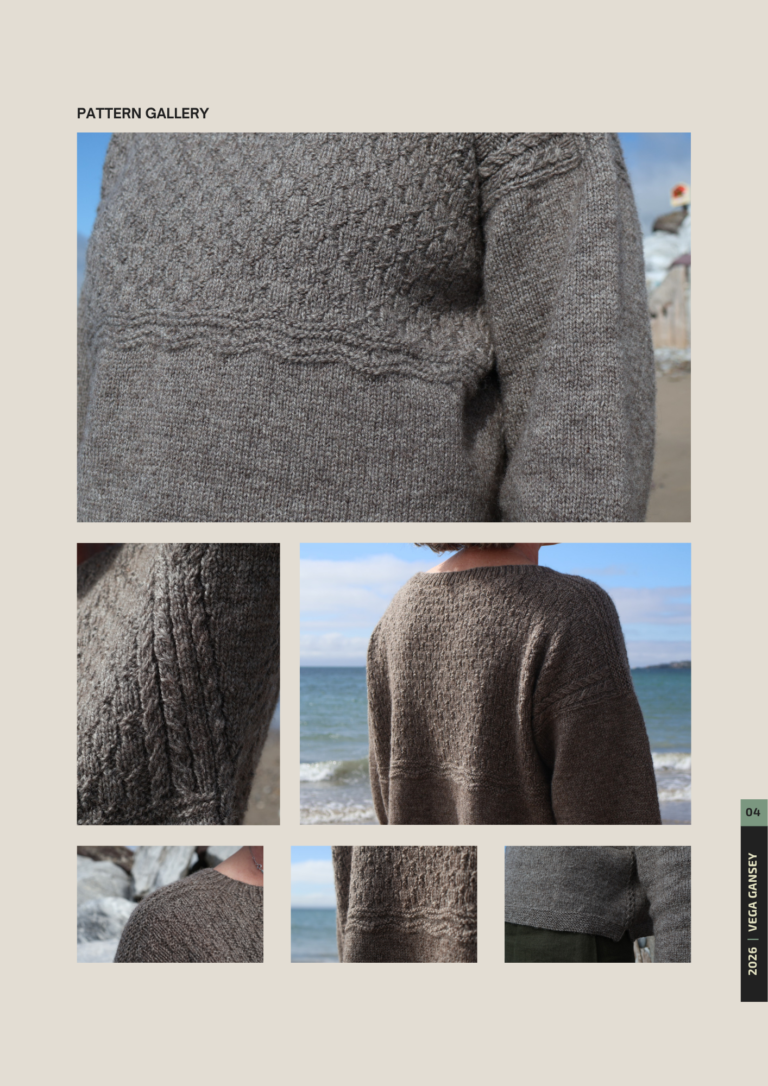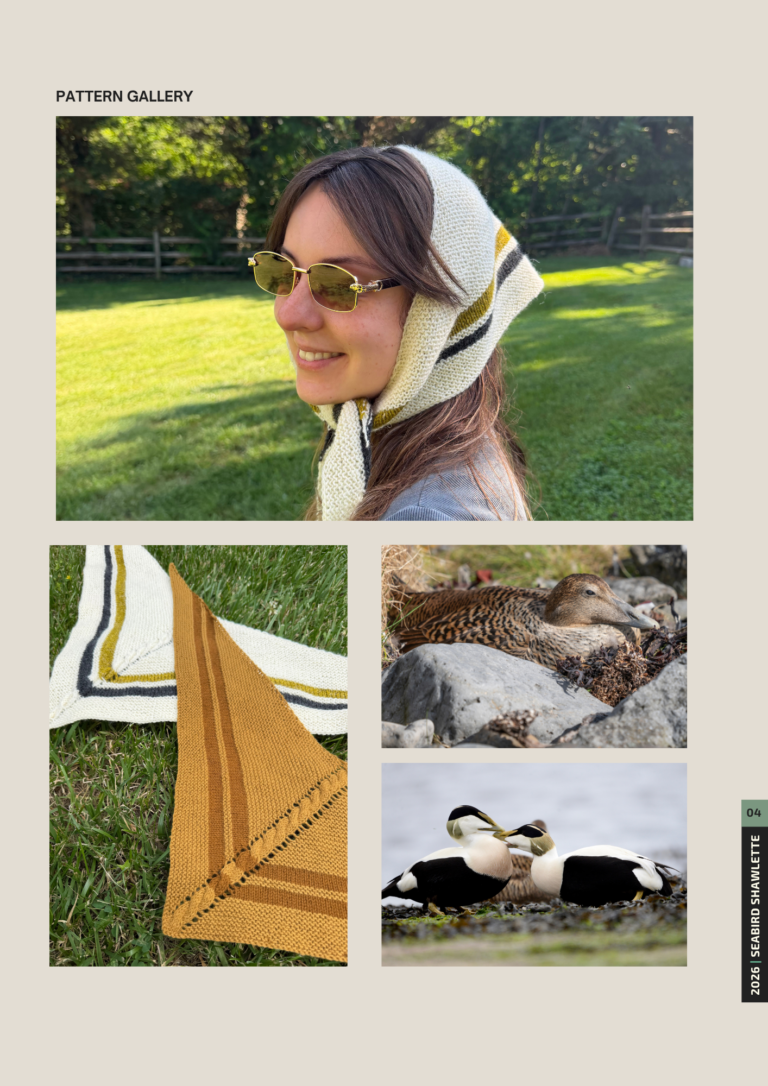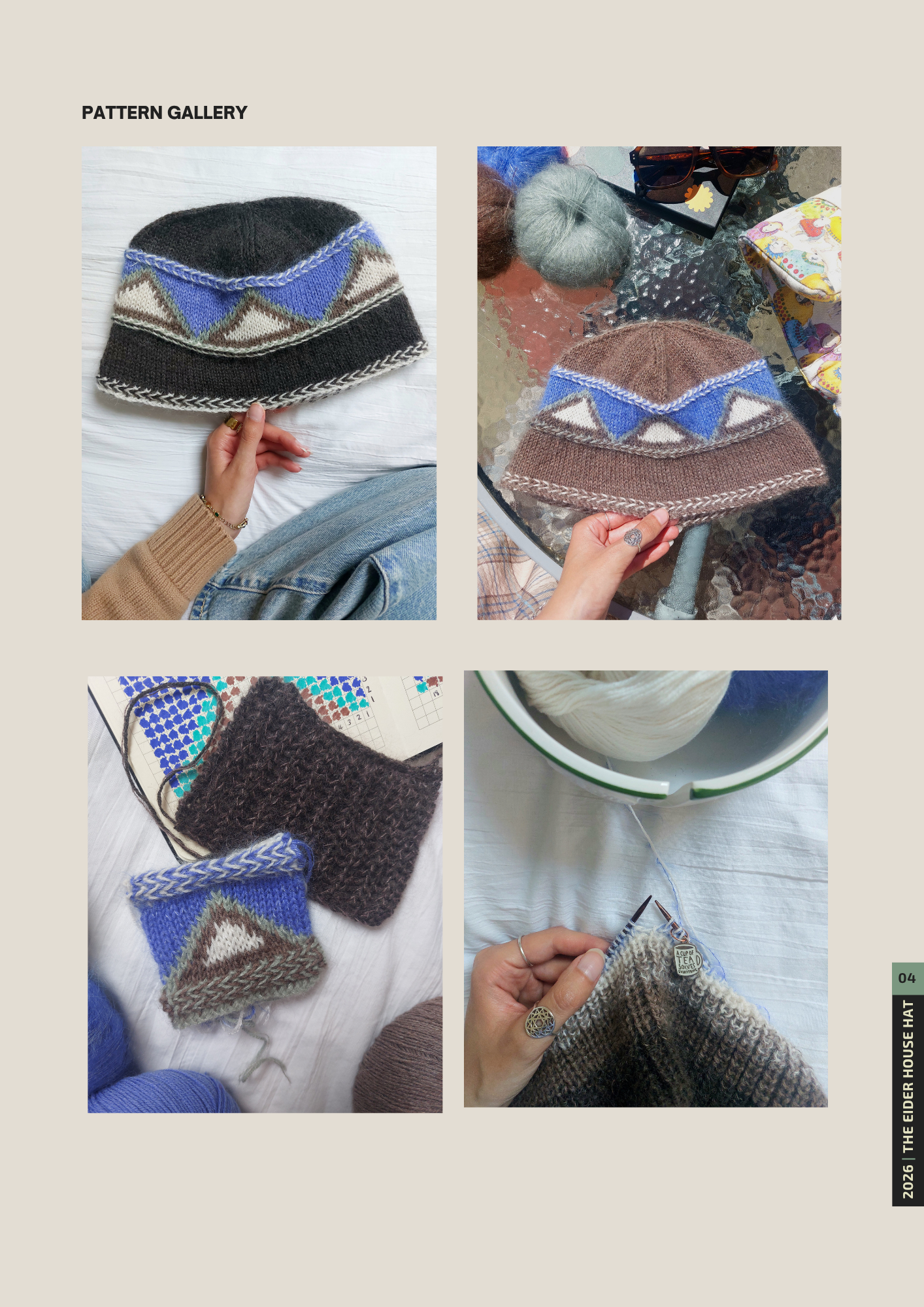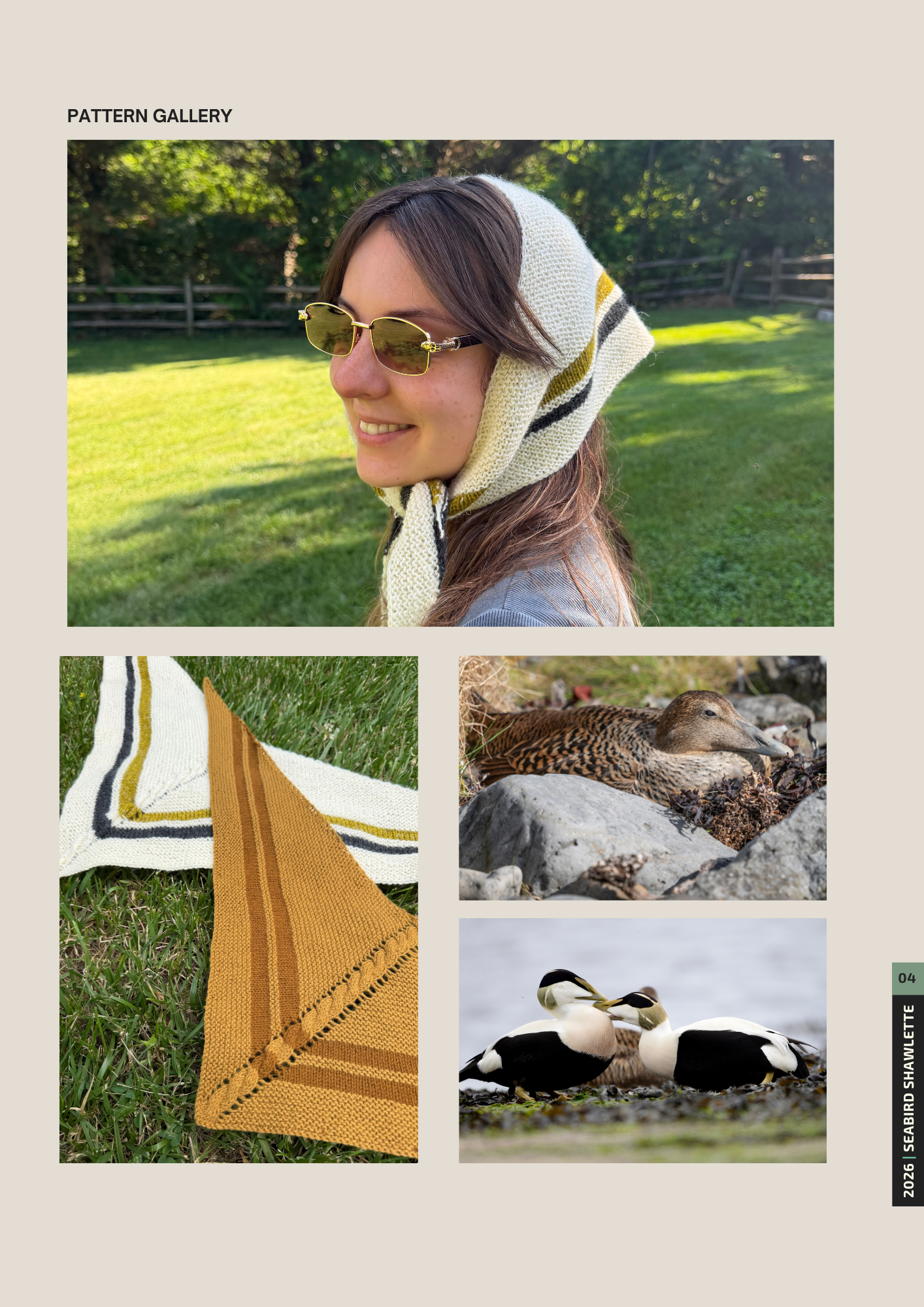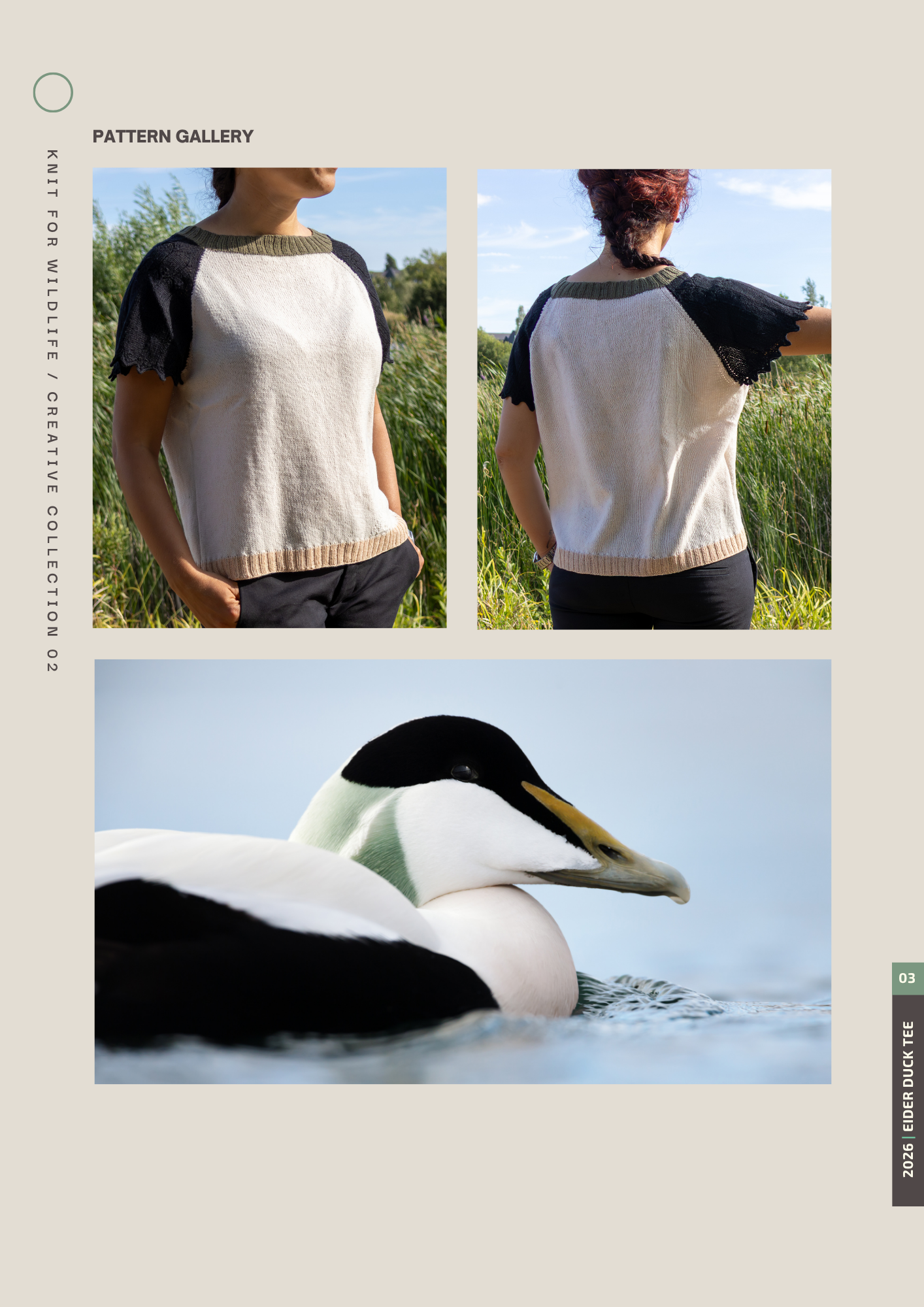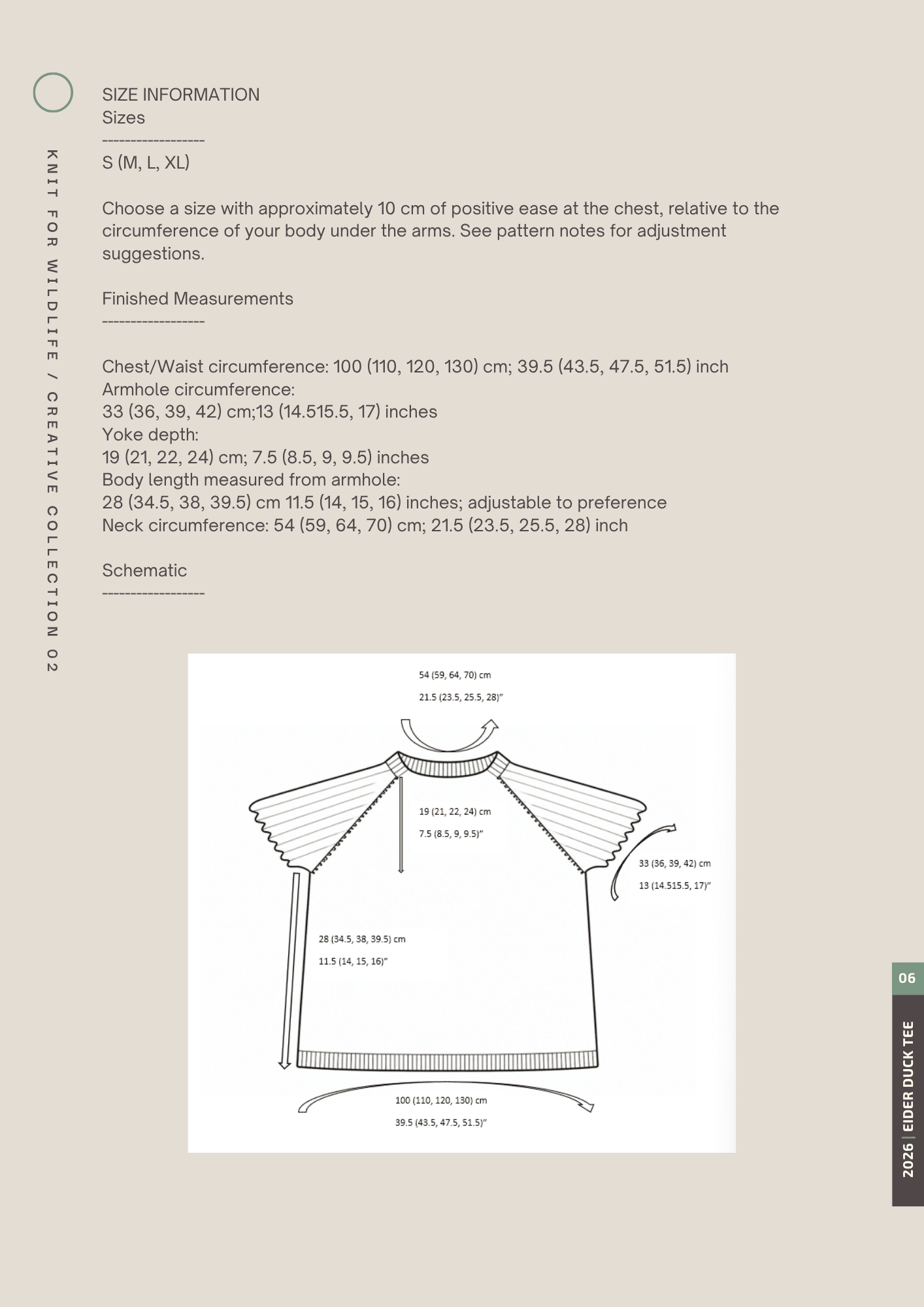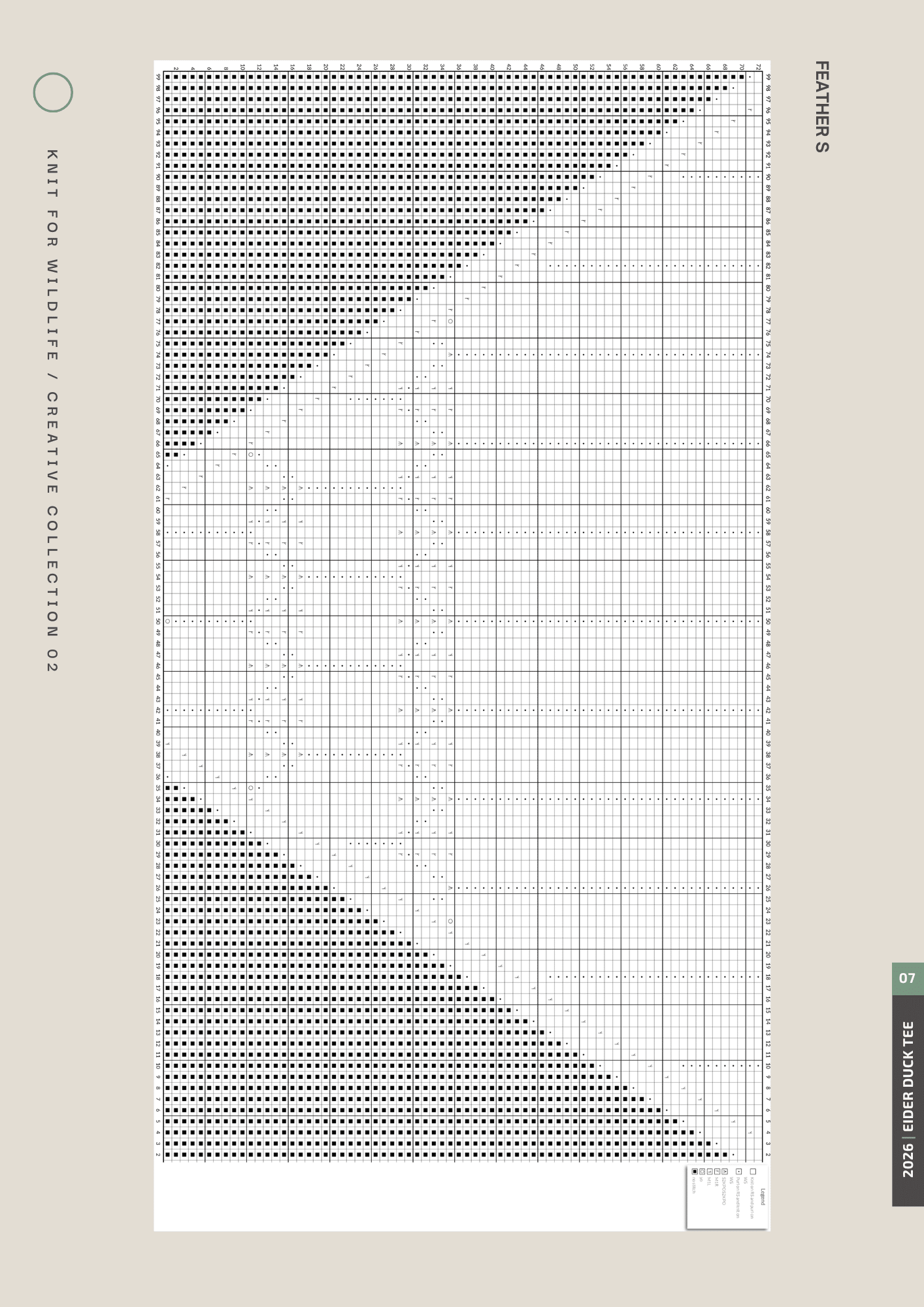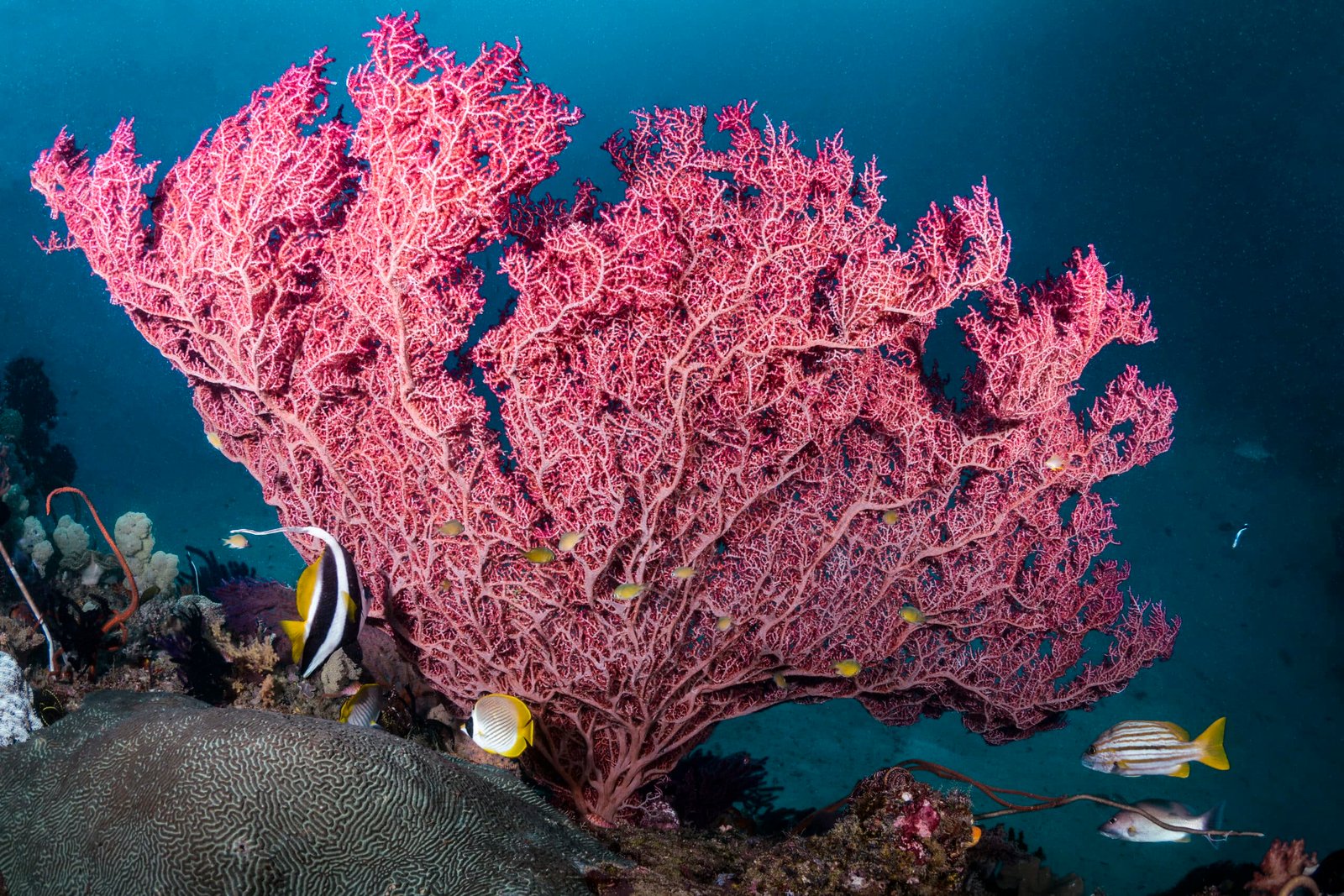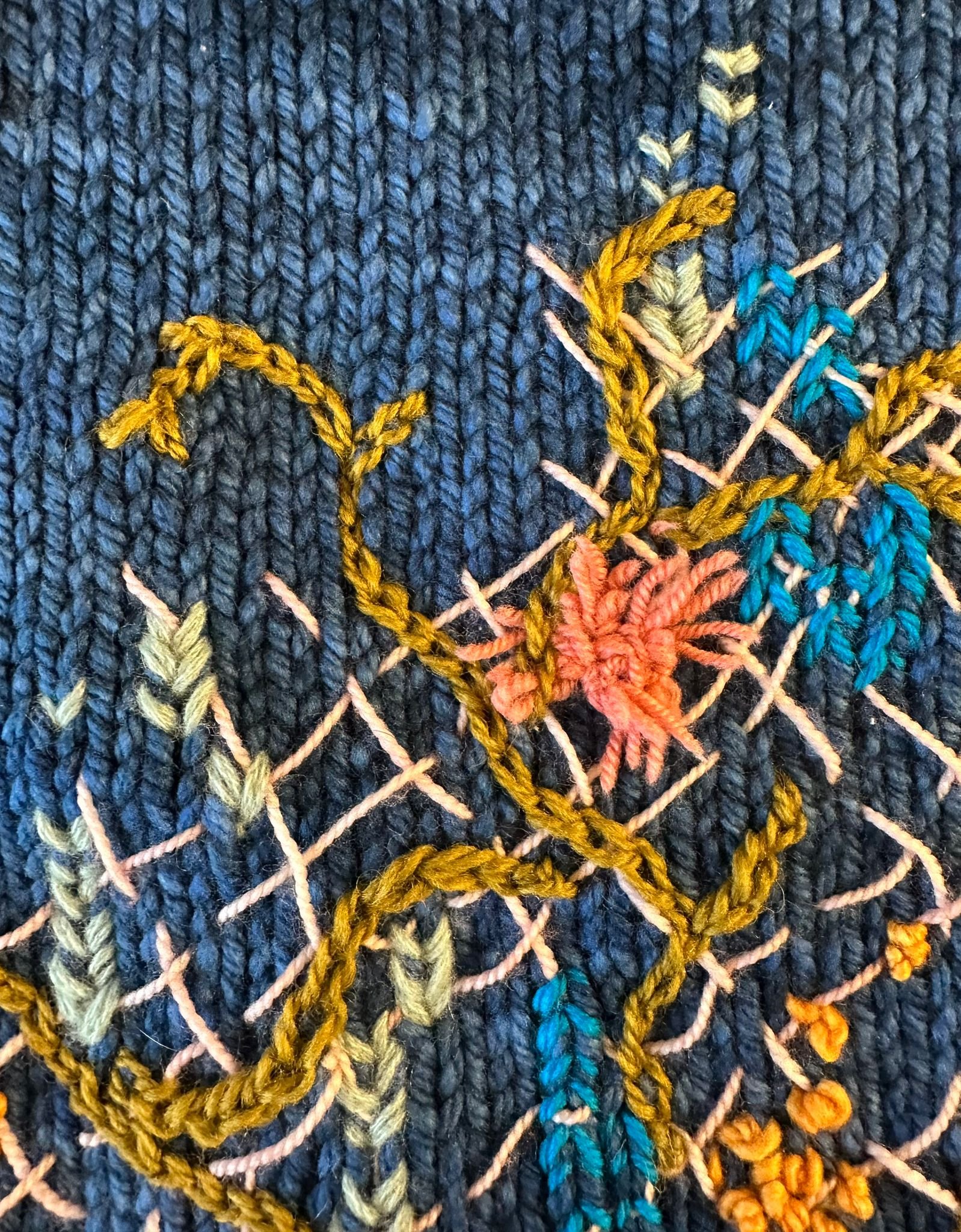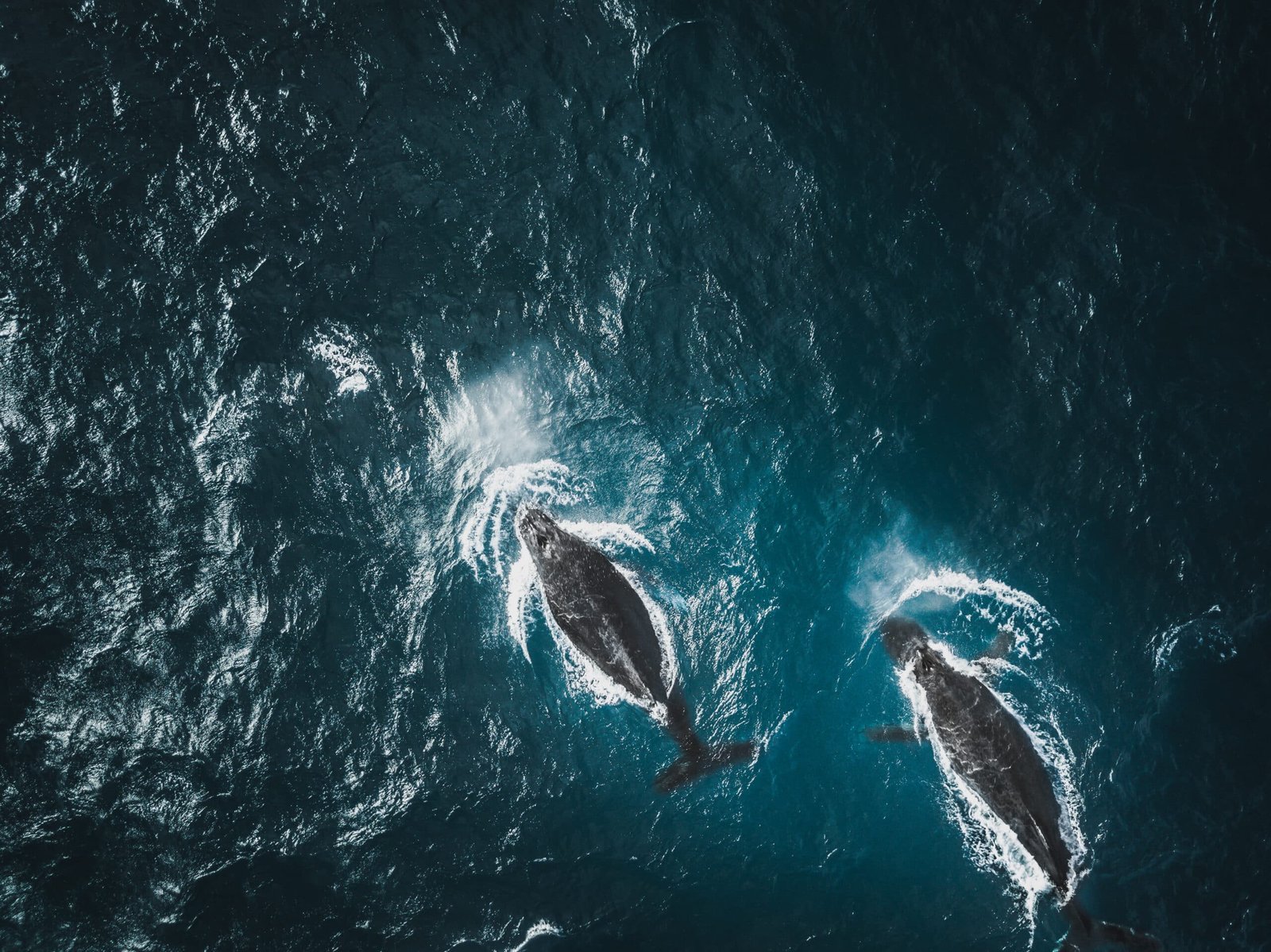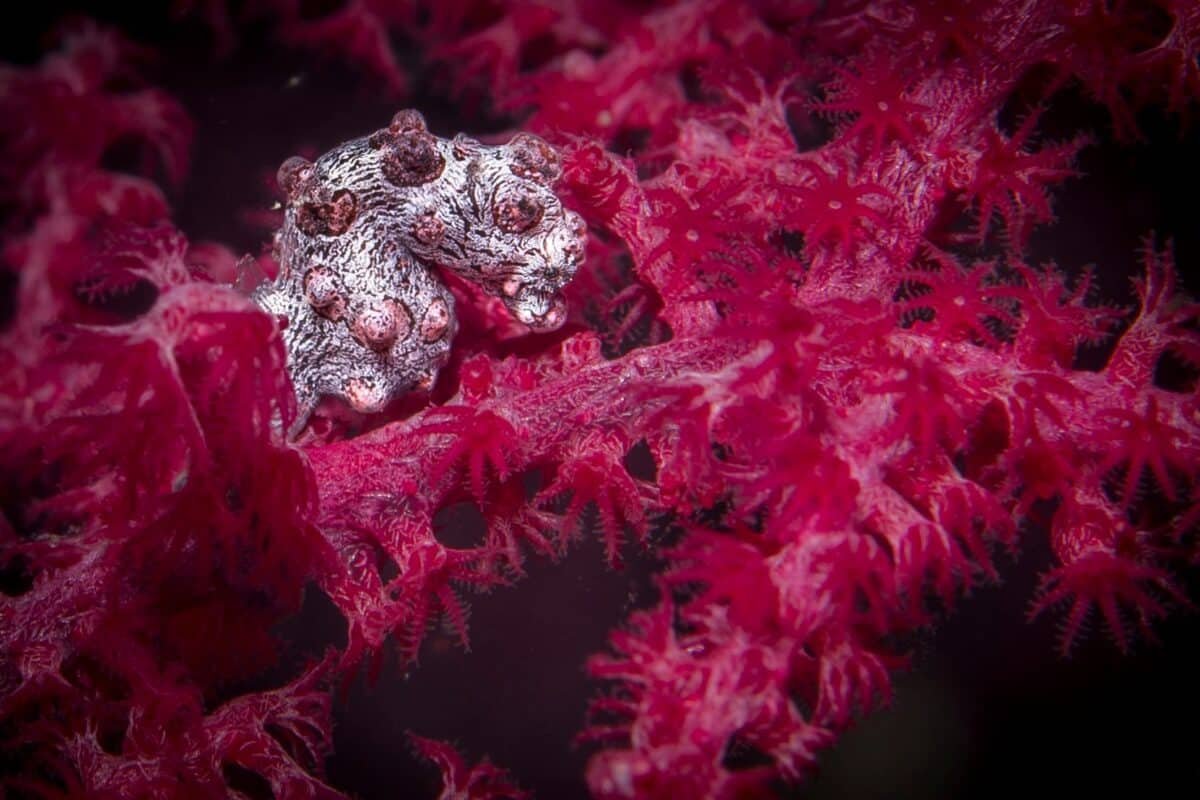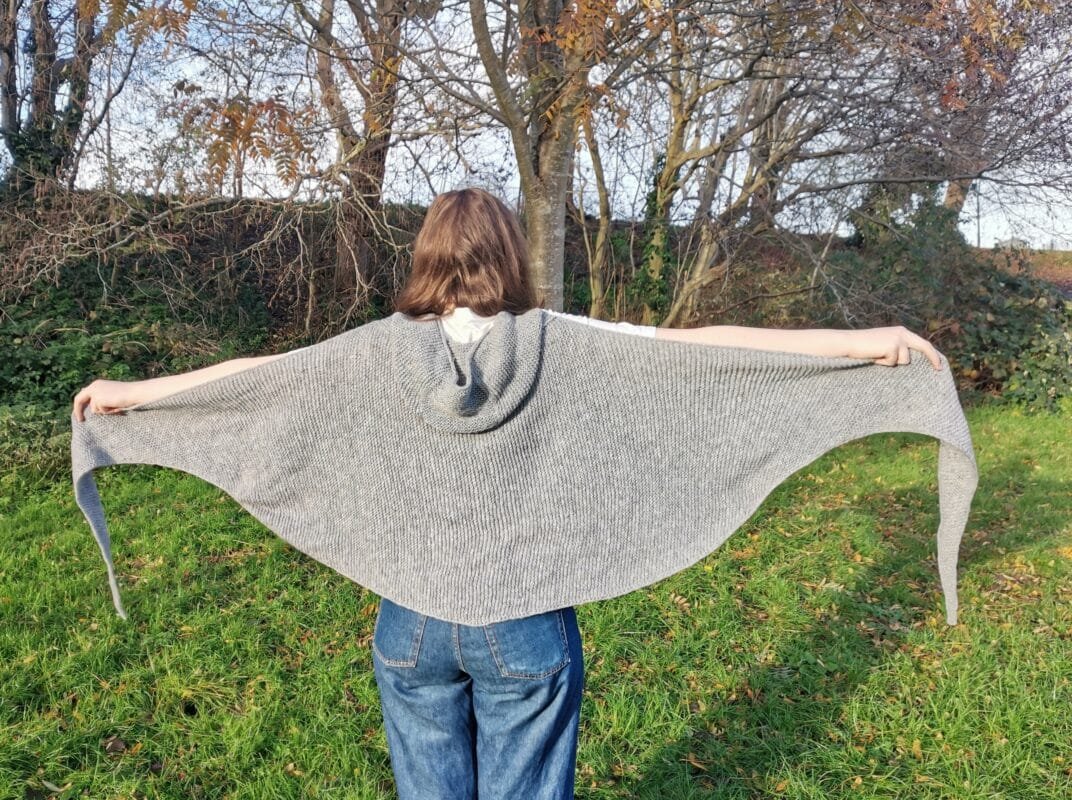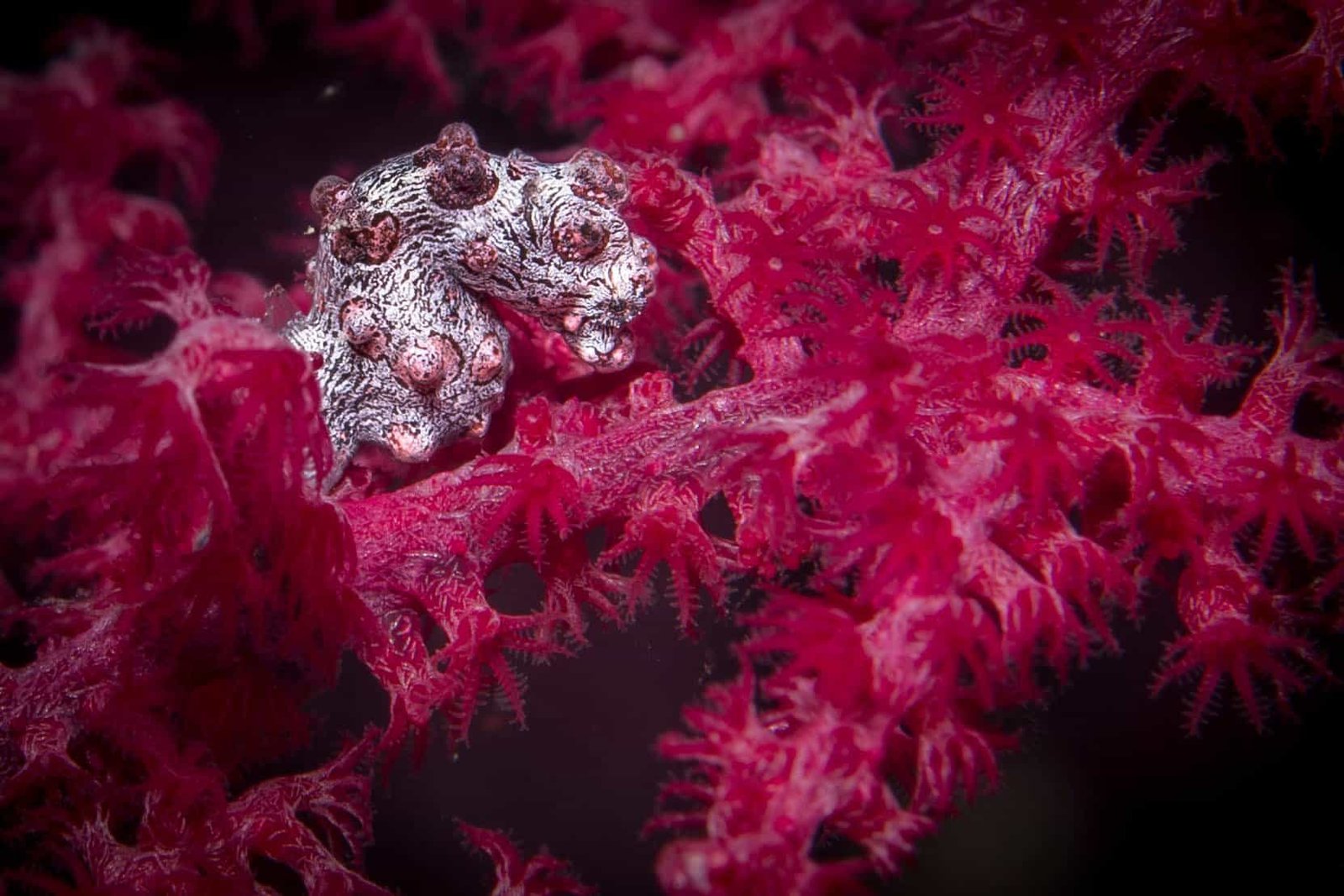



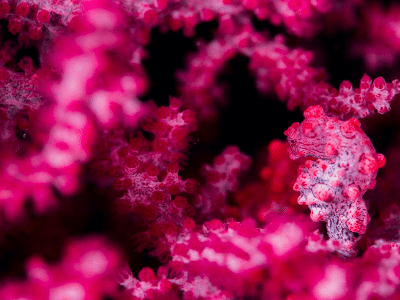
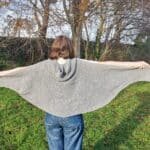
Nature’s pattern book: Wildlife has inspired human textiles for centuries. Today, knitters reimagine these patterns as cultural storytelling.
OUR CORE

KNITTERS IN RESIDENCE
Wear a story.

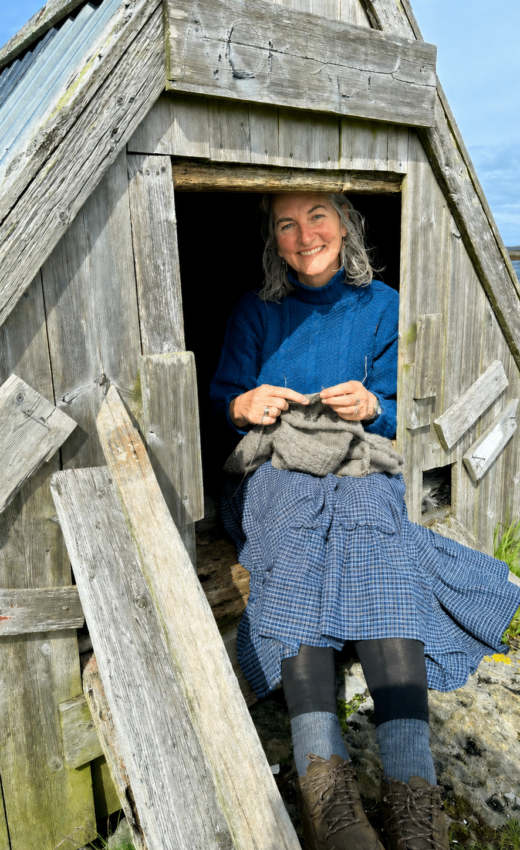
The Knitters-in-Residence program is the creative beating heart of our initiative. We invite passionate fiber artists, designers, and storytellers into a fully funded, immersive 3-month residency where science meets the needle. Our residents spend these months embedded with wildlife biologists, field researchers, and environmental educators. They translate raw conservation data, species behavior, and ecological urgency into wearable art. The ultimate goal of every residency? To produce beautiful, narrative-driven Open-Access Patterns.

Our mission is simple: Break down the barriers to eco-literacy and wildlife conservation. By making educational knitting patterns free and available to everyone, we ensure that anyone, anywhere, can knit to save a species and literally wear a story.

Residency Order

We host passionate knitters who collaborate directly with wildlife biologists and conservationists. During their residency, these knitters study specific endangered species or ecosystems and translate that vital scientific data into beautiful, narrative knitwear designs. These are fully digital residencies. Designed to fit around daily life but still provide professional-level support and collaboration.

Program structure:

  • 1:1 coaching with textile designers, cultural practitioners, or scientists.

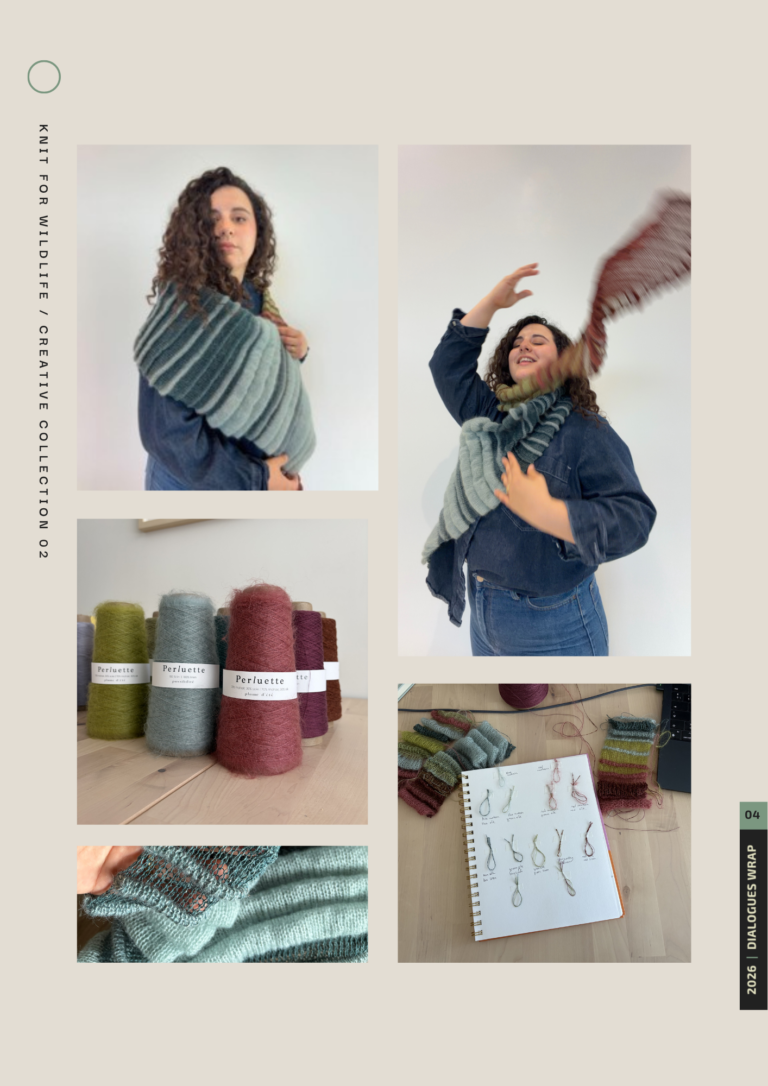
  • Group sessions exploring narrative techniques in knitting (e.g., lace for fragility, cables for strength, stranded colorwork for biodiversity).

  • Final exhibition & digital publication to spotlight residents and their pieces.

Residency outcomes:

  • Open-access patterns linked to conservation theme.

  • Limited-edition works (digital or physical) that contribute to awareness campaigns.

  • Visibility for knitters through publication, exhibition, and international conservation networks.

Why apply?

  • Your work will be spotlighted internationally, in digital exhibitions and open-access archives.

  • You’ll gain mentorship and coaching from experts across craft and science.

  • You’ll collaborate with peers who see knitting not only as craft, but as cultural storytelling and ecological action.

  • Most importantly: You’ll contribute your skills to a real-world conservation challenge.

Tip for applicants: Both traditional and experimental knitters are welcome. You don’t need to be a professional designer, but you should be curious, open to collaboration, and able to document your process clearly (patterns, notes, or visual records).
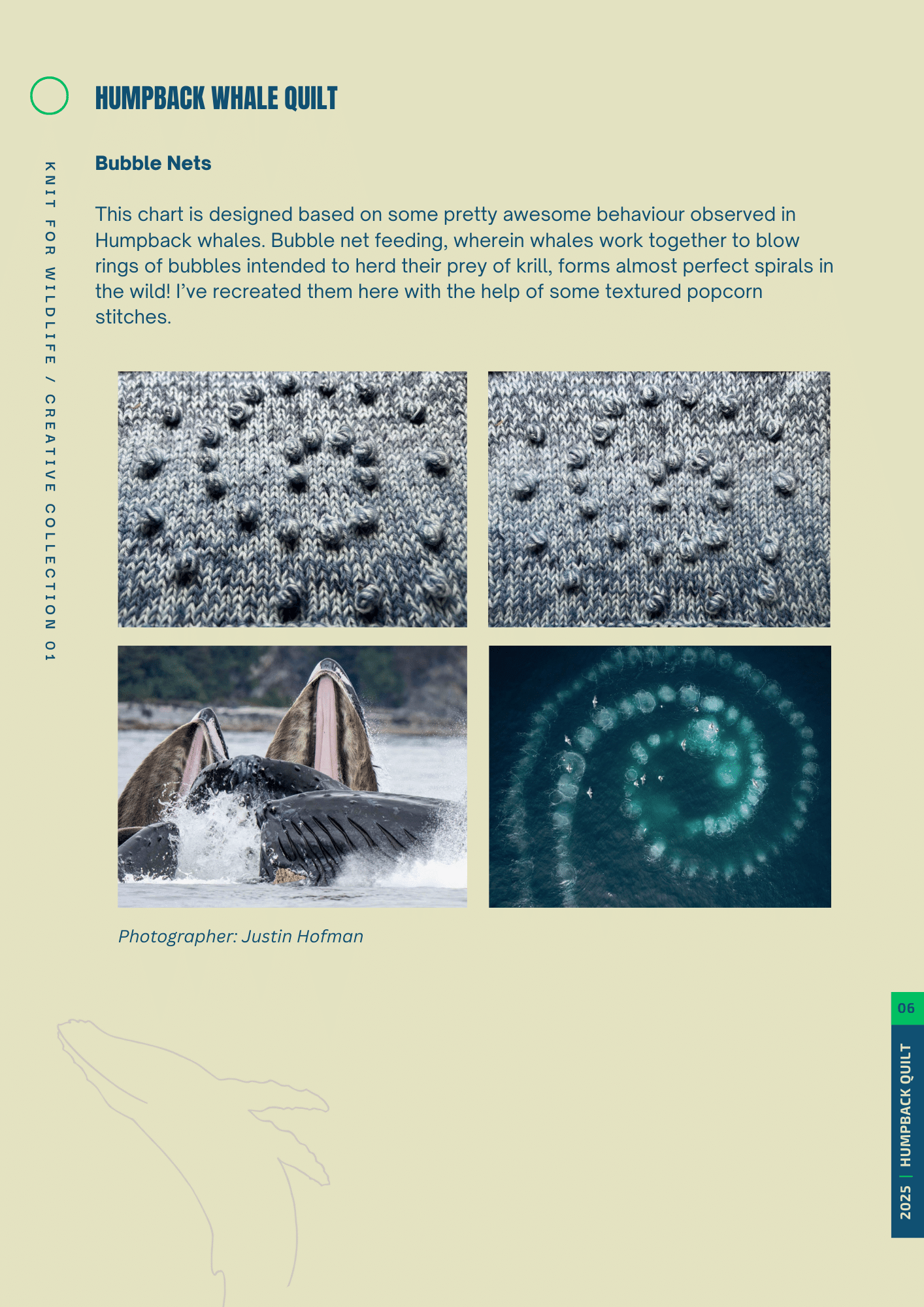
New Target Groups
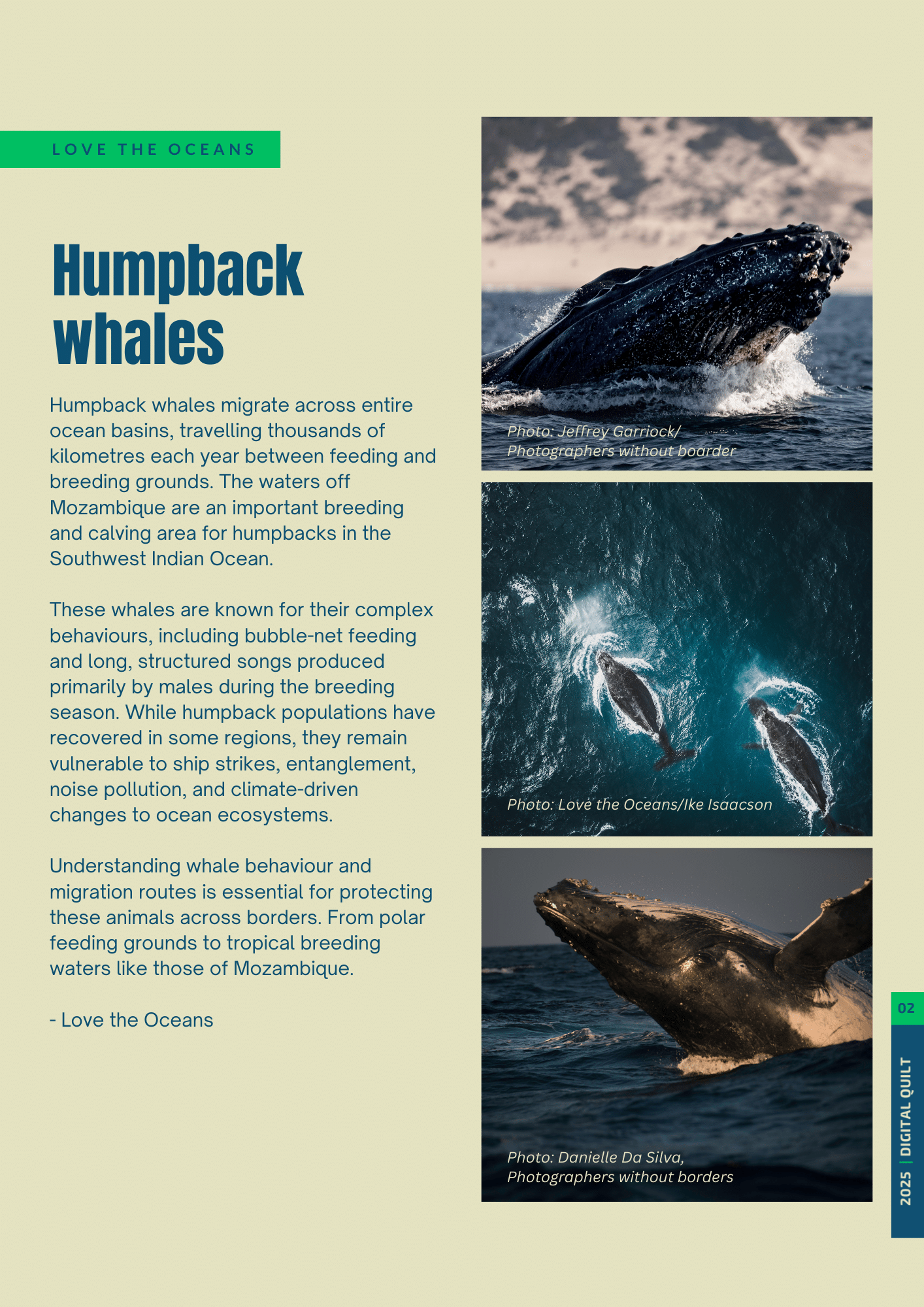
Conservation often preach to the converted. Knitting reaches elsewhere: Younger audiences, craft communities, influencers, lifestyle media. By framing wildlife through pop culture, we bring seabirds into spaces they’ve never been before. 

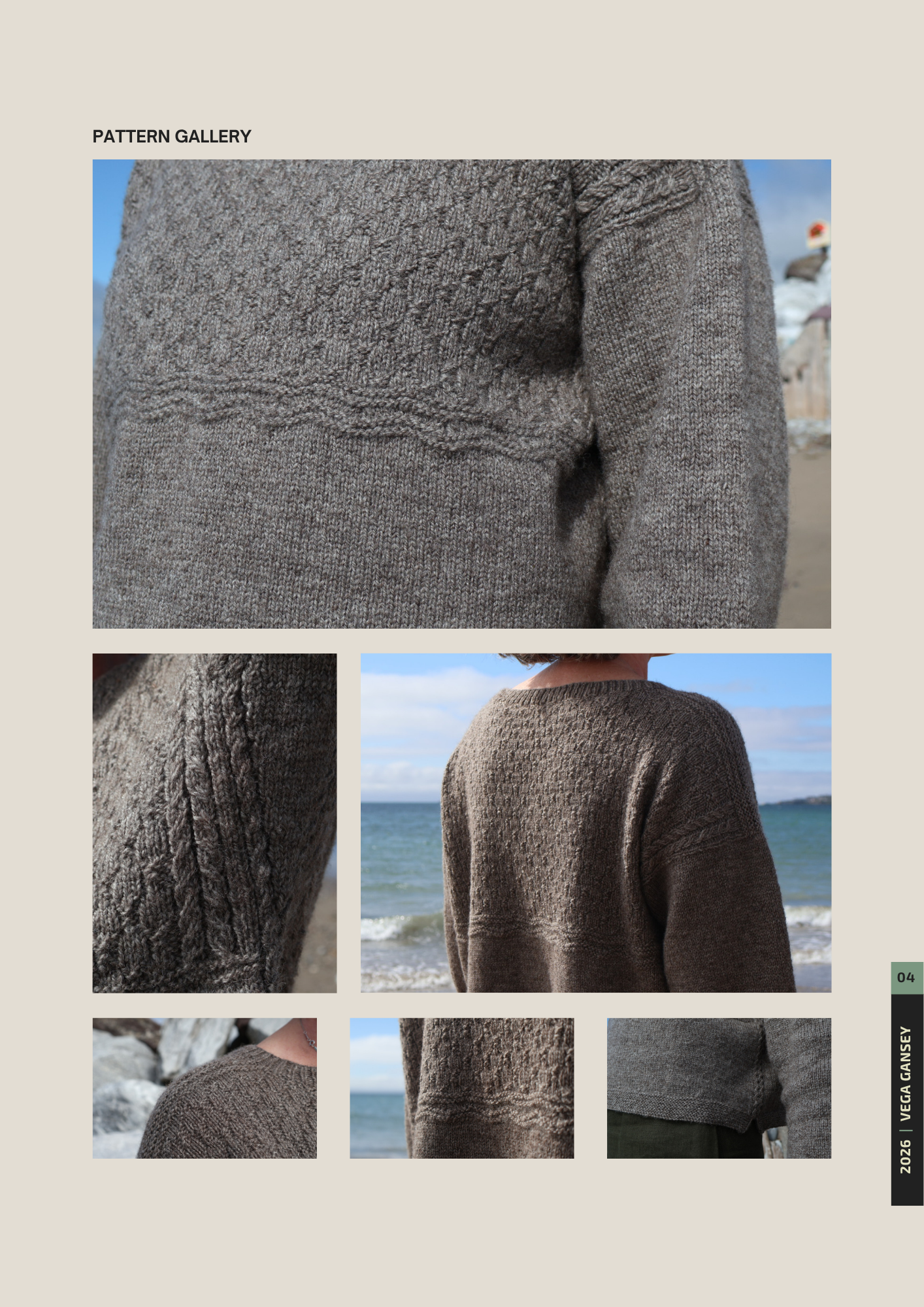
Residency outcomes are open-access patterns, limited editions, and curated campaigns. A puffin beanie sold in Reykjavík, an eider mitten workshop on Vega, or a shearwater-inspired design going viral on TikTok. Each creation carries layered meaning; wearable conservation stories that people can share, gift, and wear.

Every open-access pattern is more than just a set of instructions. It is a literacy tool. Embedded within the rows are field notes, species facts, and conservation stories. When you wear your finished piece, you become a walking ambassador for that animal.

Ripple Effects

We believe knowledge and activism shouldn't be locked behind a paywall. All patterns created during our residencies are completely free to the public. This open-access library allows crafters worldwide to download, create, and spread awareness without financial barriers.

Residencies don’t end with patterns. They create ripple effects: Pop-up events, knit-alongs, and tourism pilots where visitors engage with local culture through craft. Imagine a Vega knitting retreat around eider ducks. Seabird decline becomes not only urgent, but also experiential and accessible.

Knitters in Residence

Cohorts

We choose 2 causes/themes per year. 

Free!

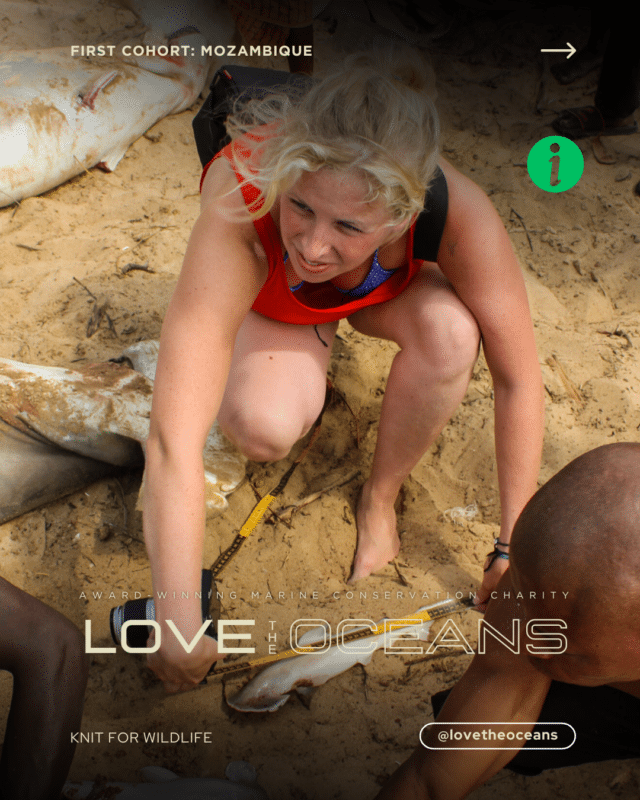
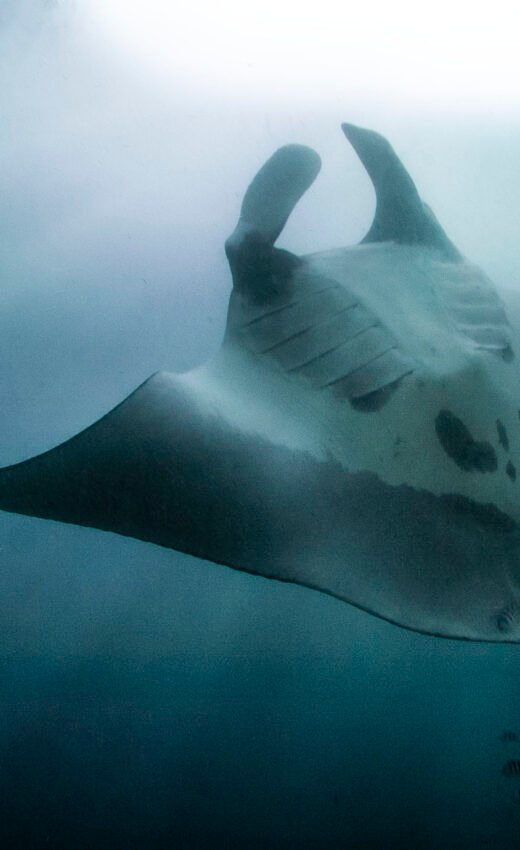
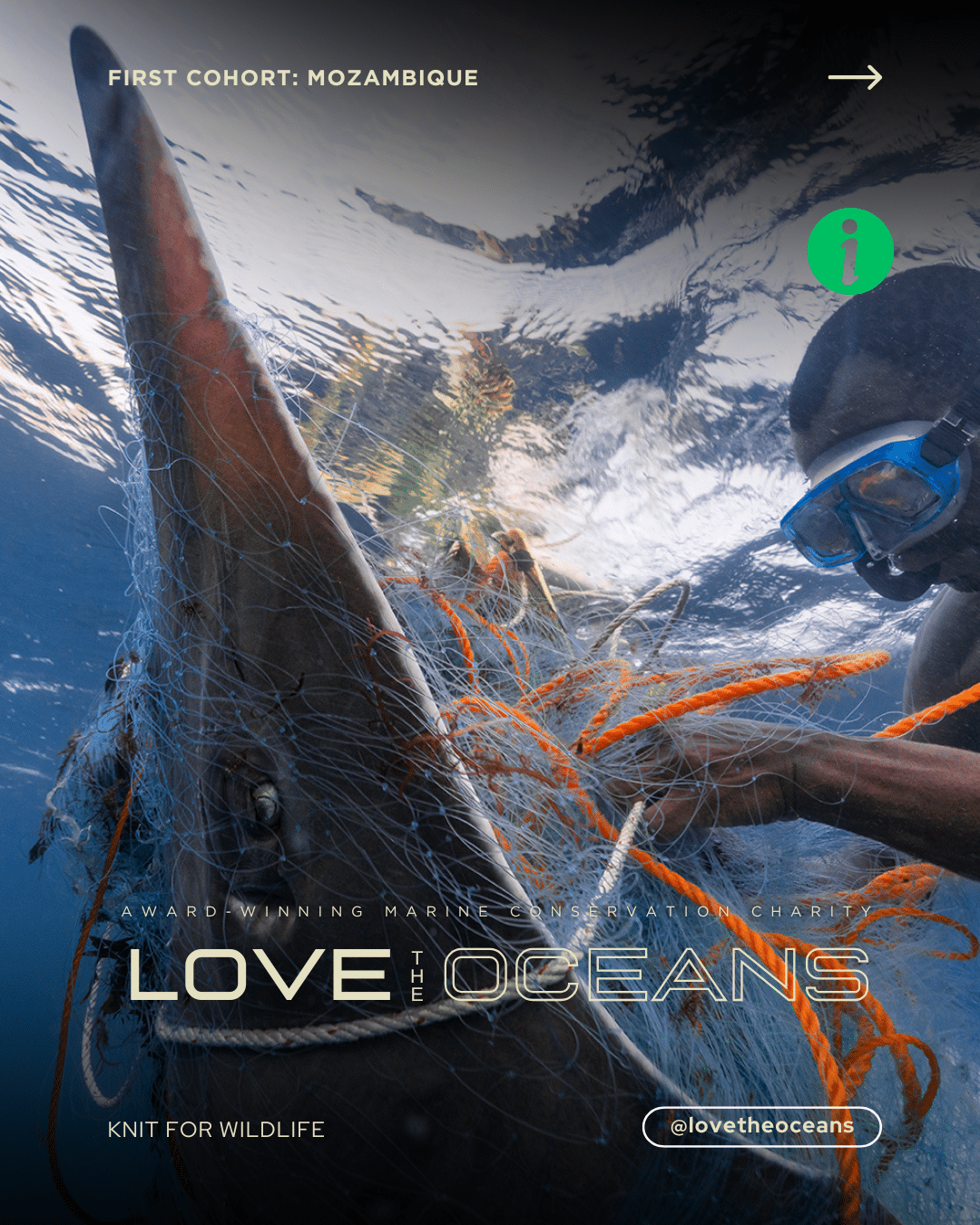
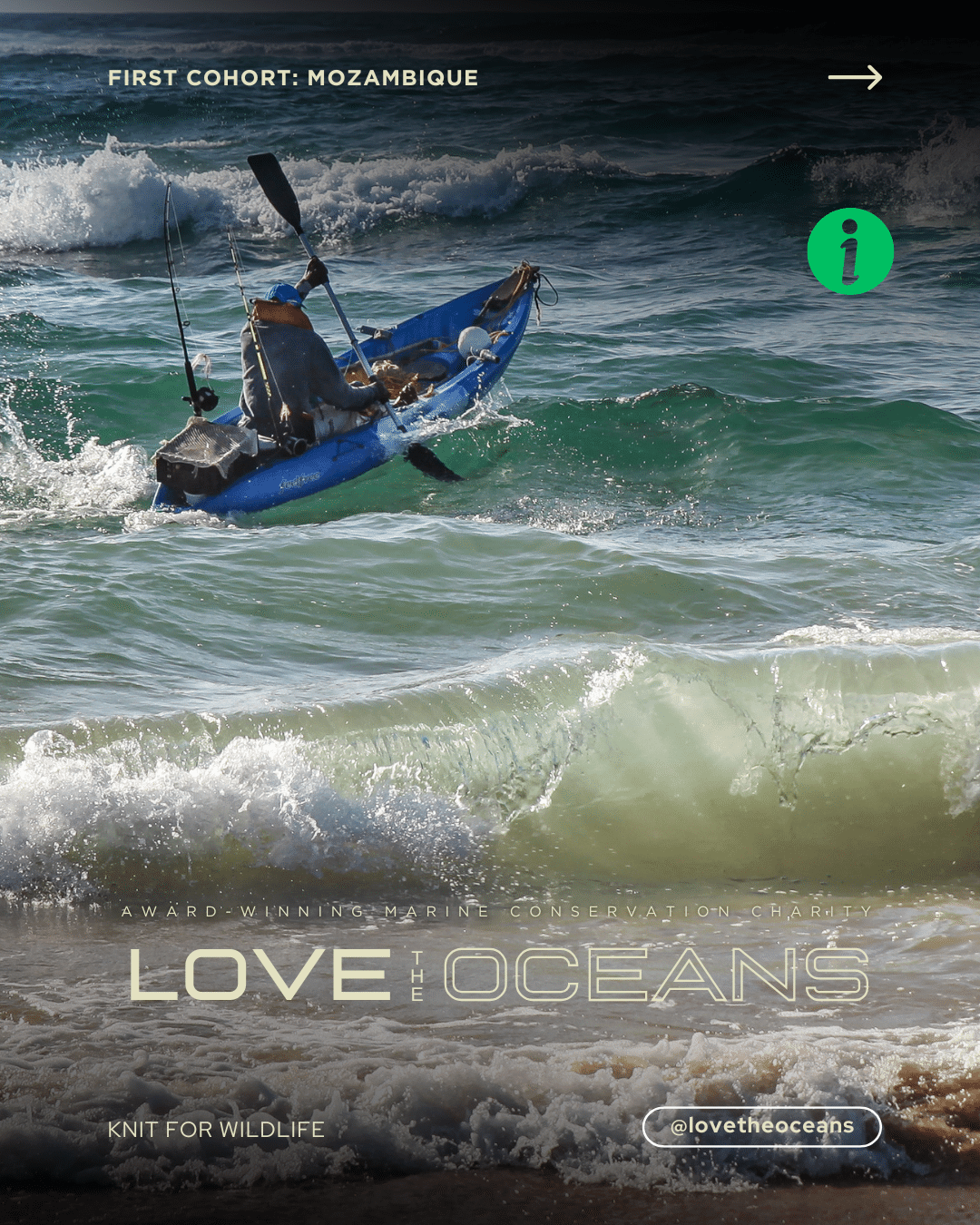
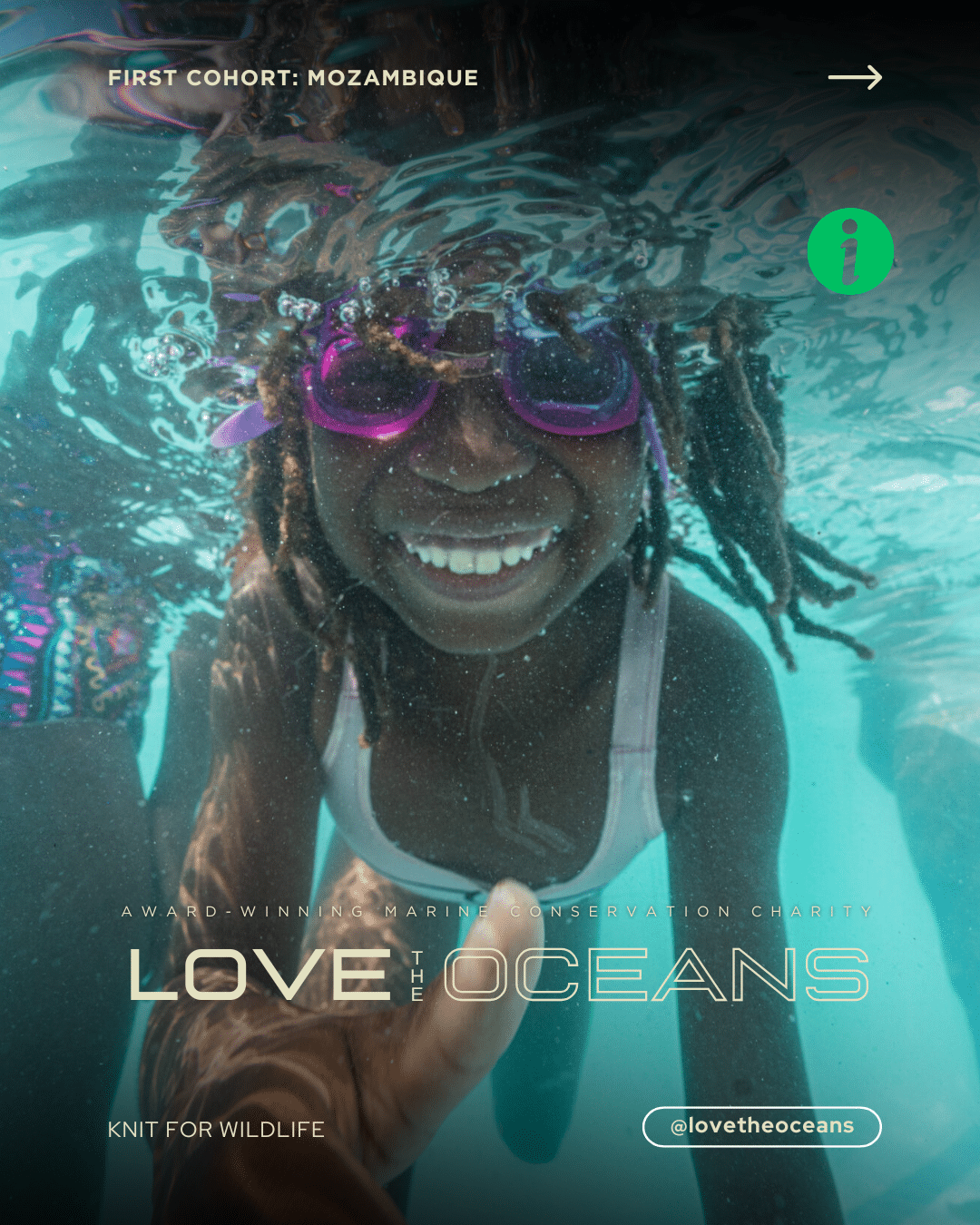
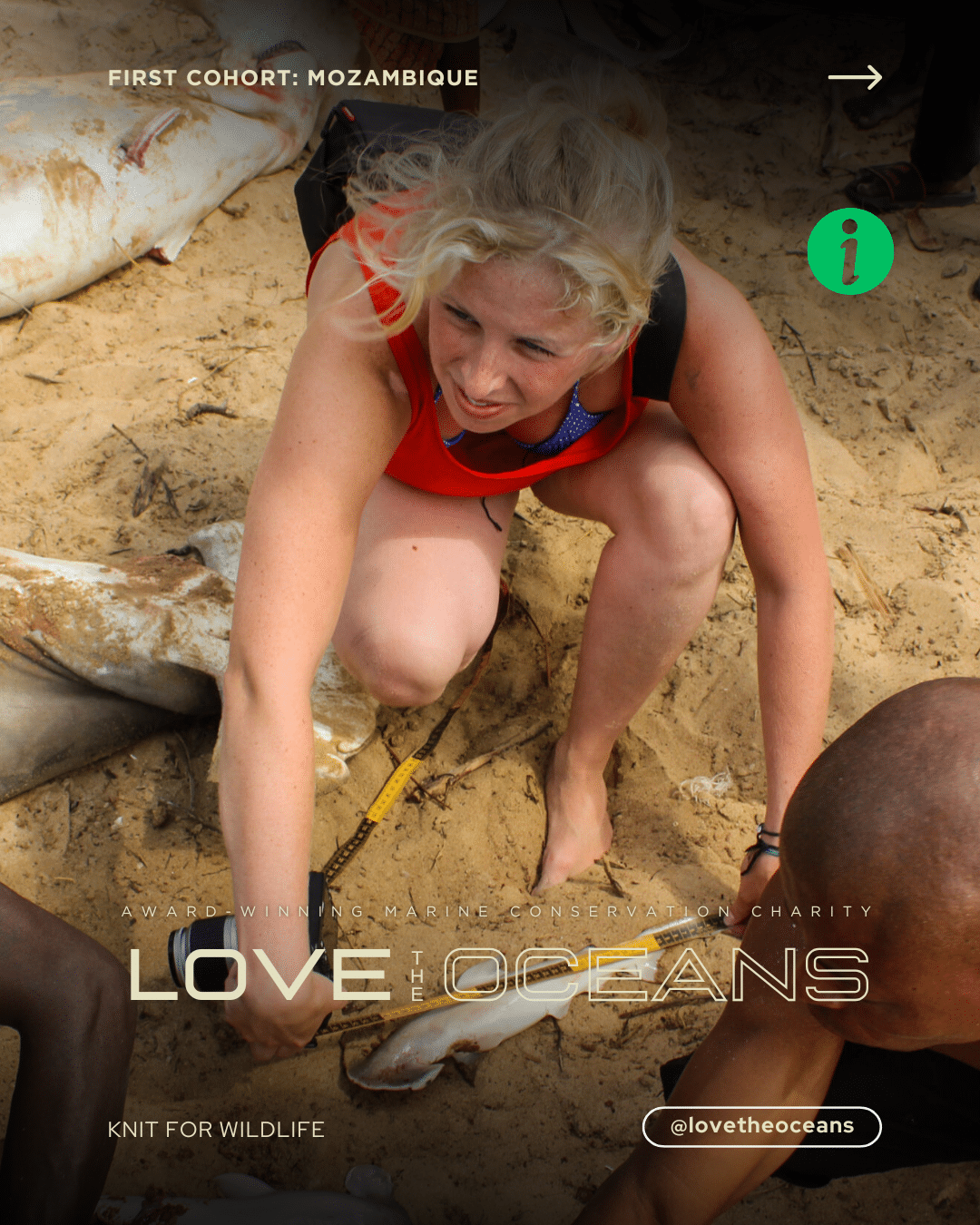
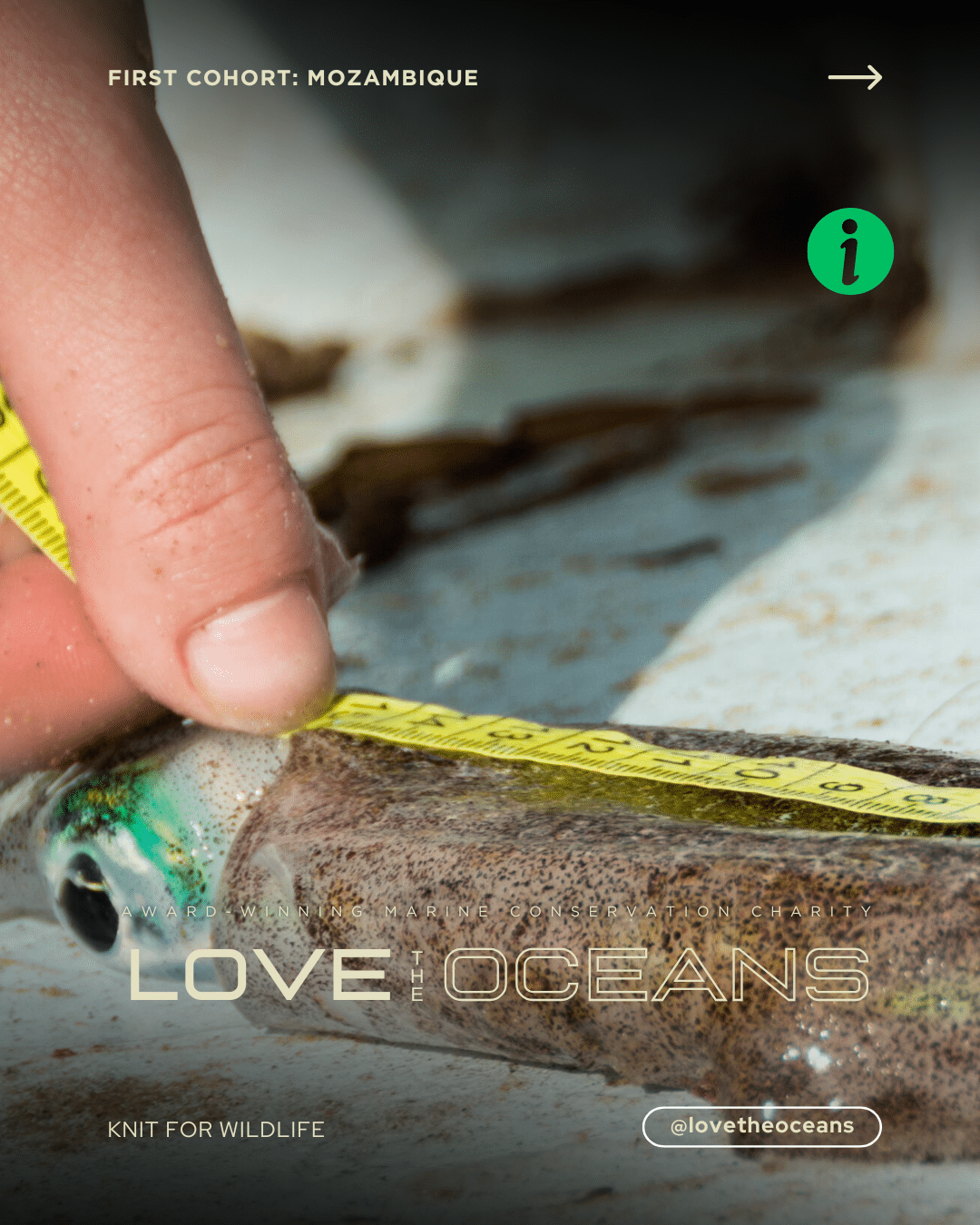
Love the Oceans: Mozambique

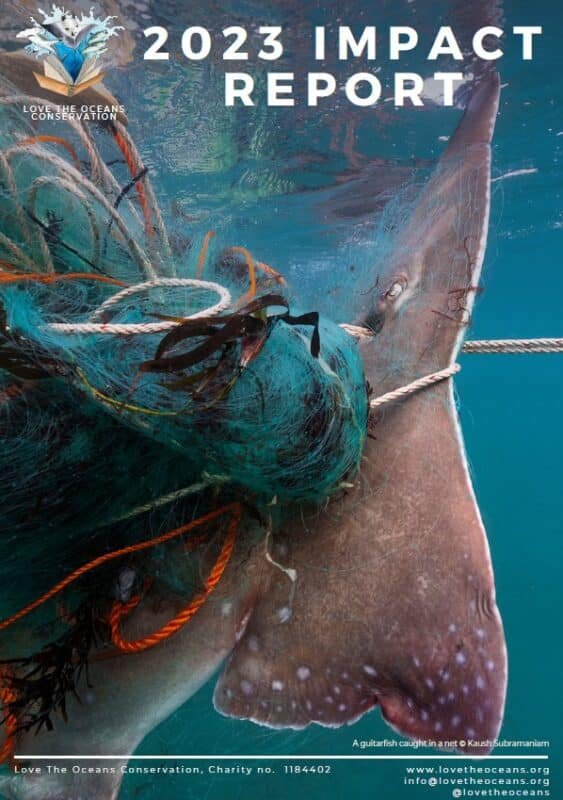
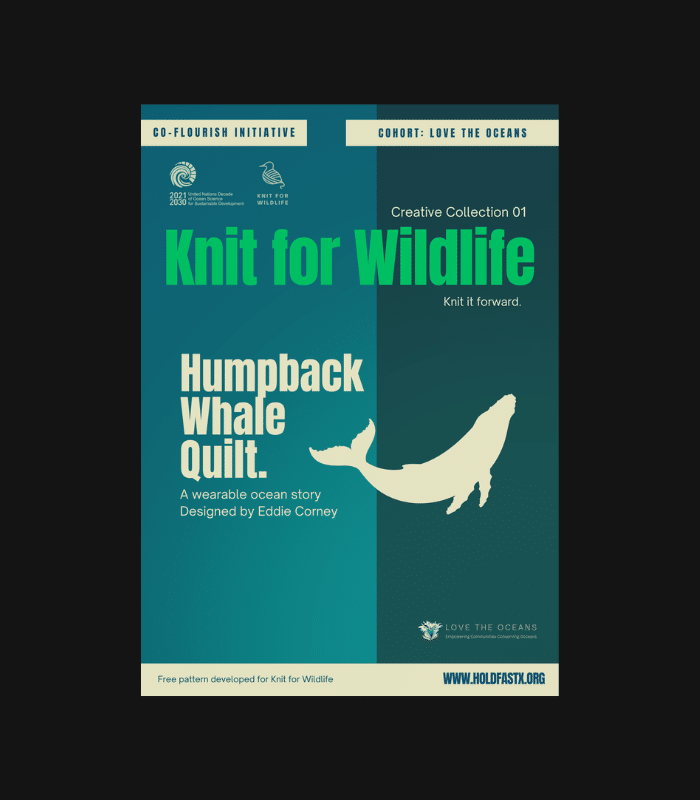
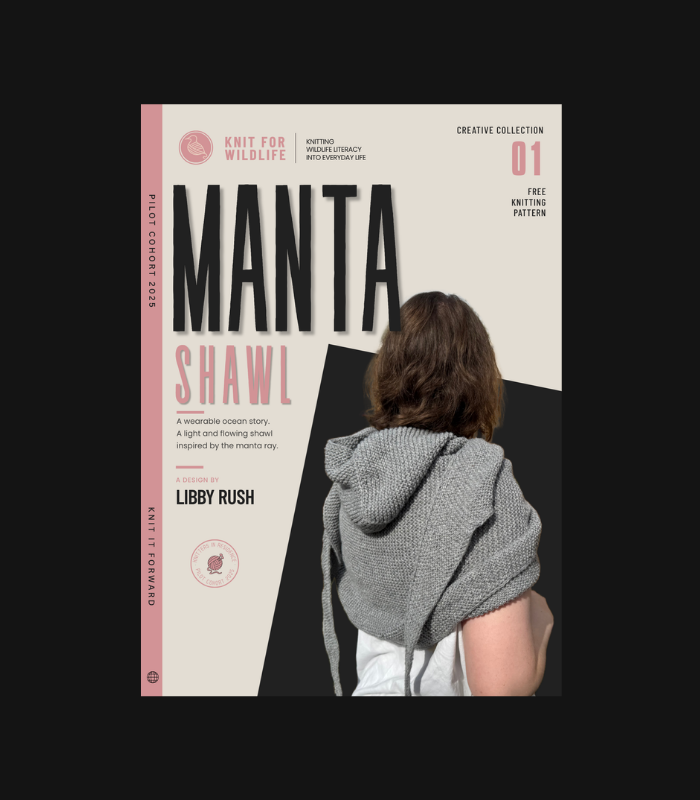
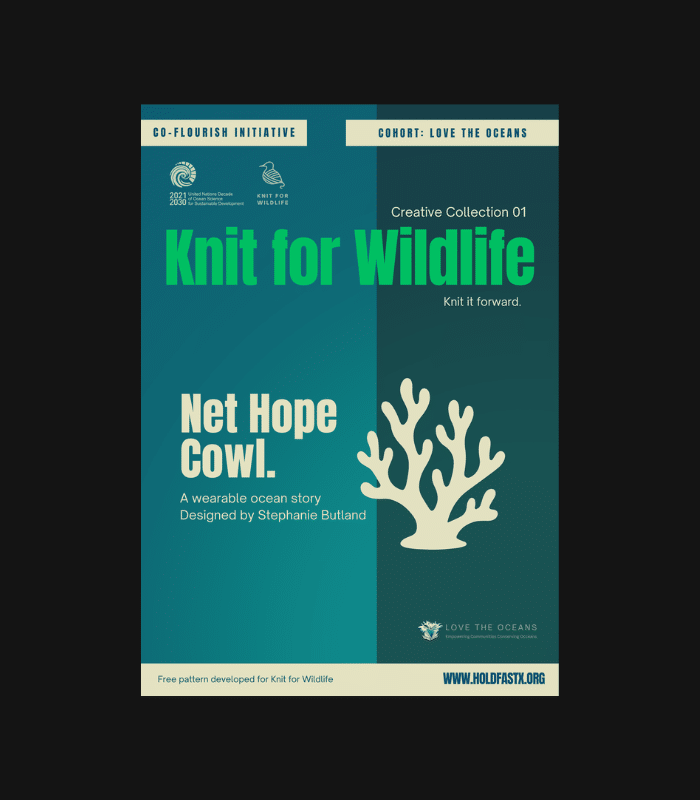
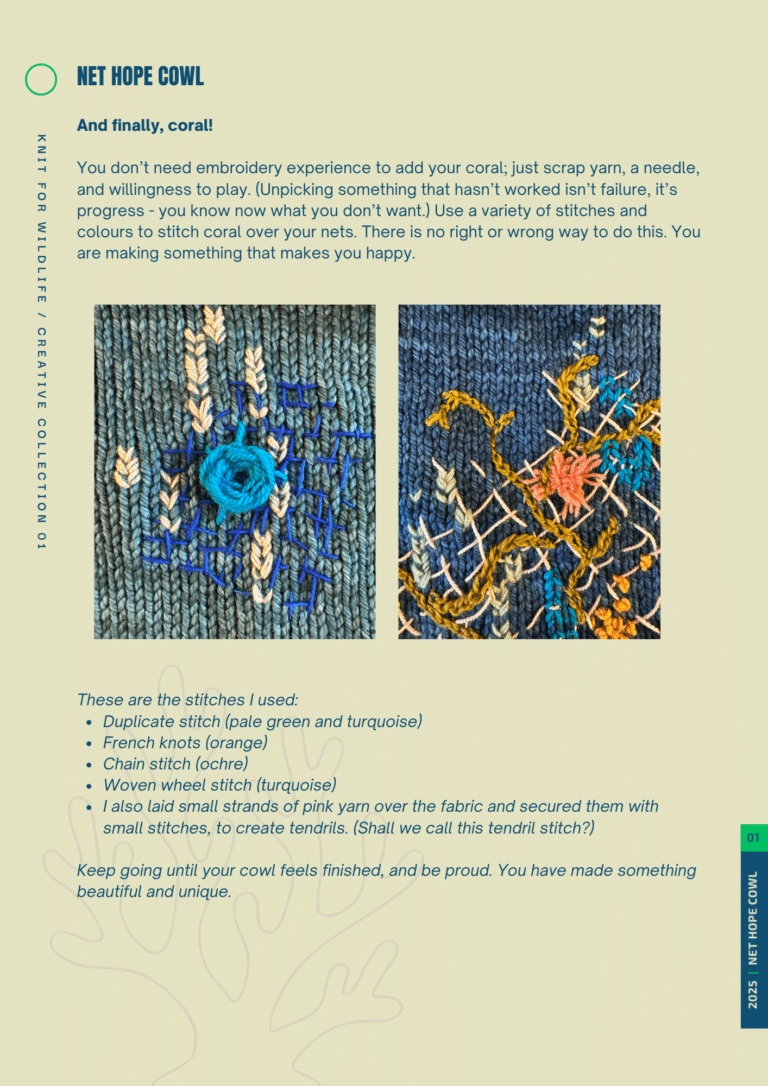
Our pilot in 2025 was in collab with Love the Oceans. Knitters were; Libby Rush, Eddie Corney and Stephanie Butland.

Vega world heritage

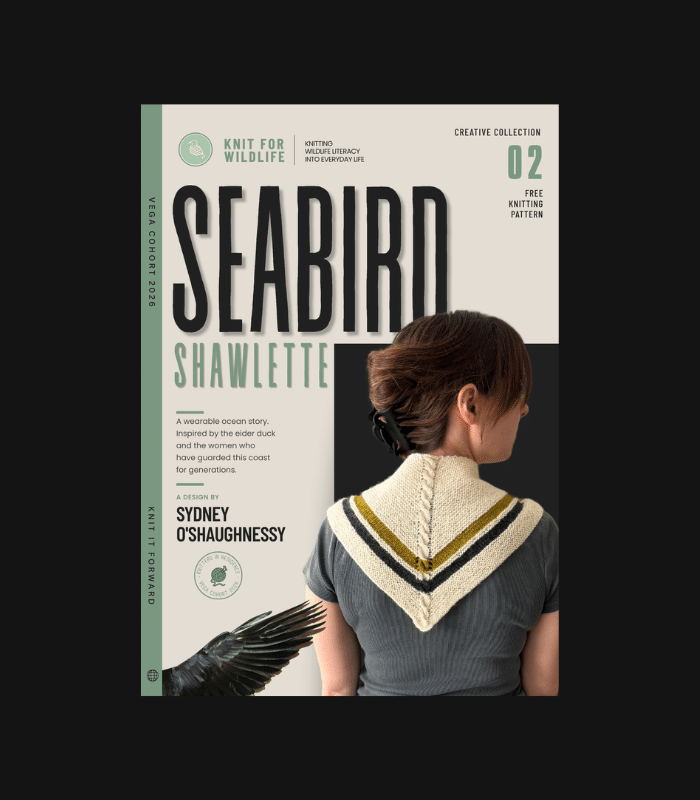
The 2nd cohort focused on Vega world heritage and seabird decline. Knitters are Lucila, Sydney, Jean, Alanis, Isabel.

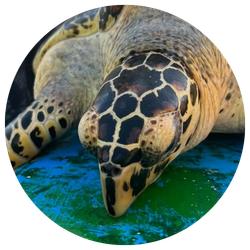
Hawksbill Turtle

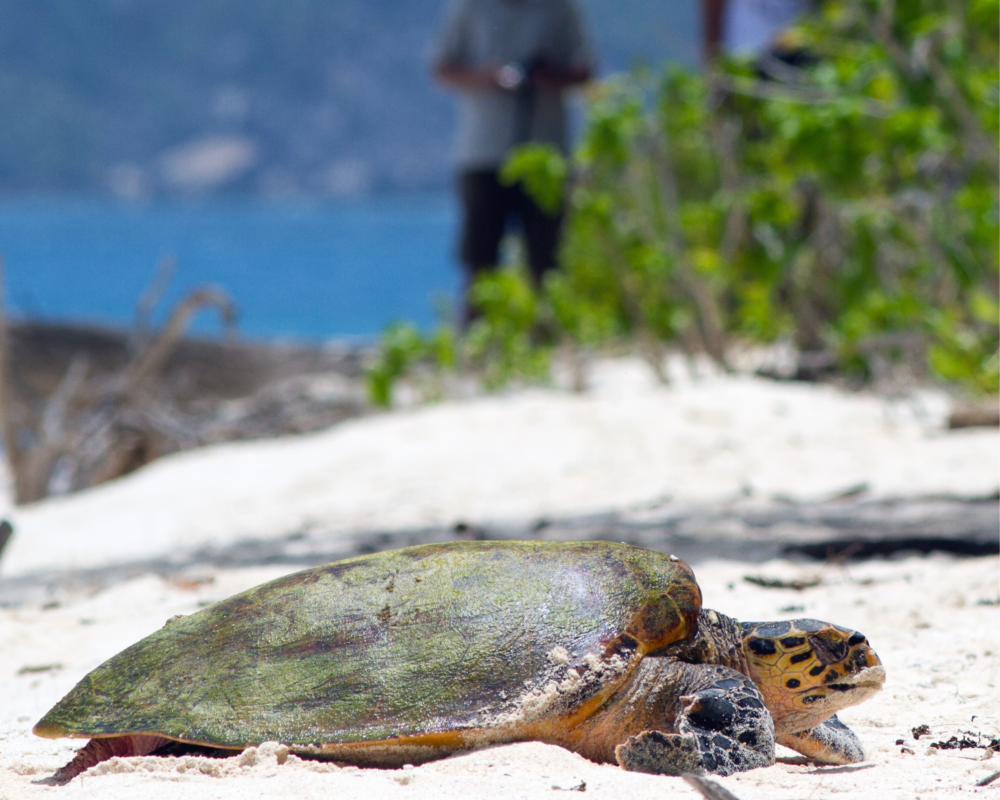
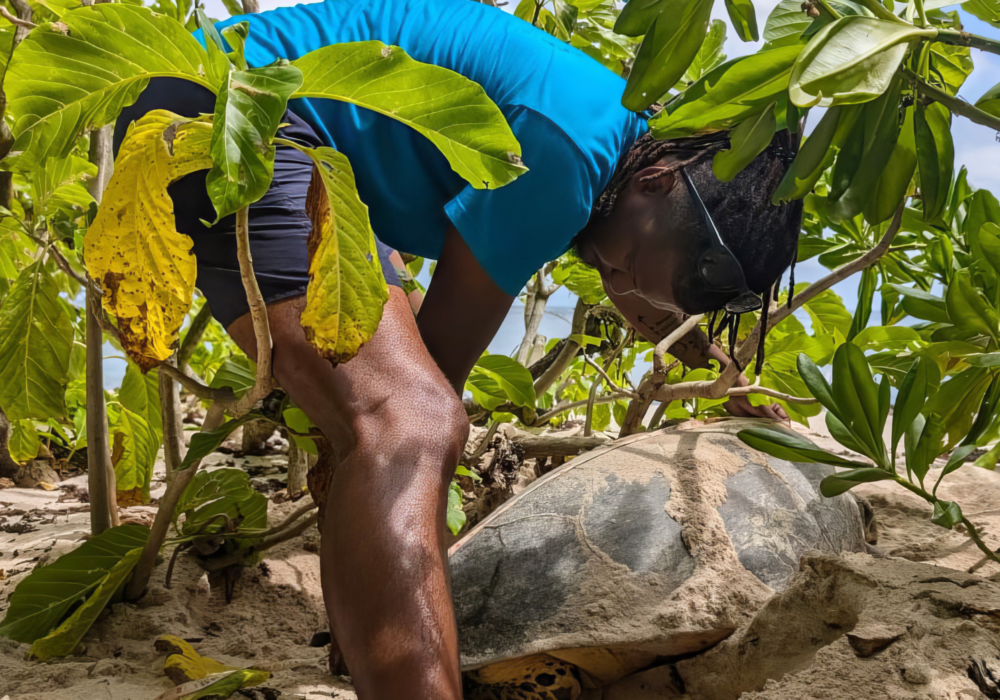
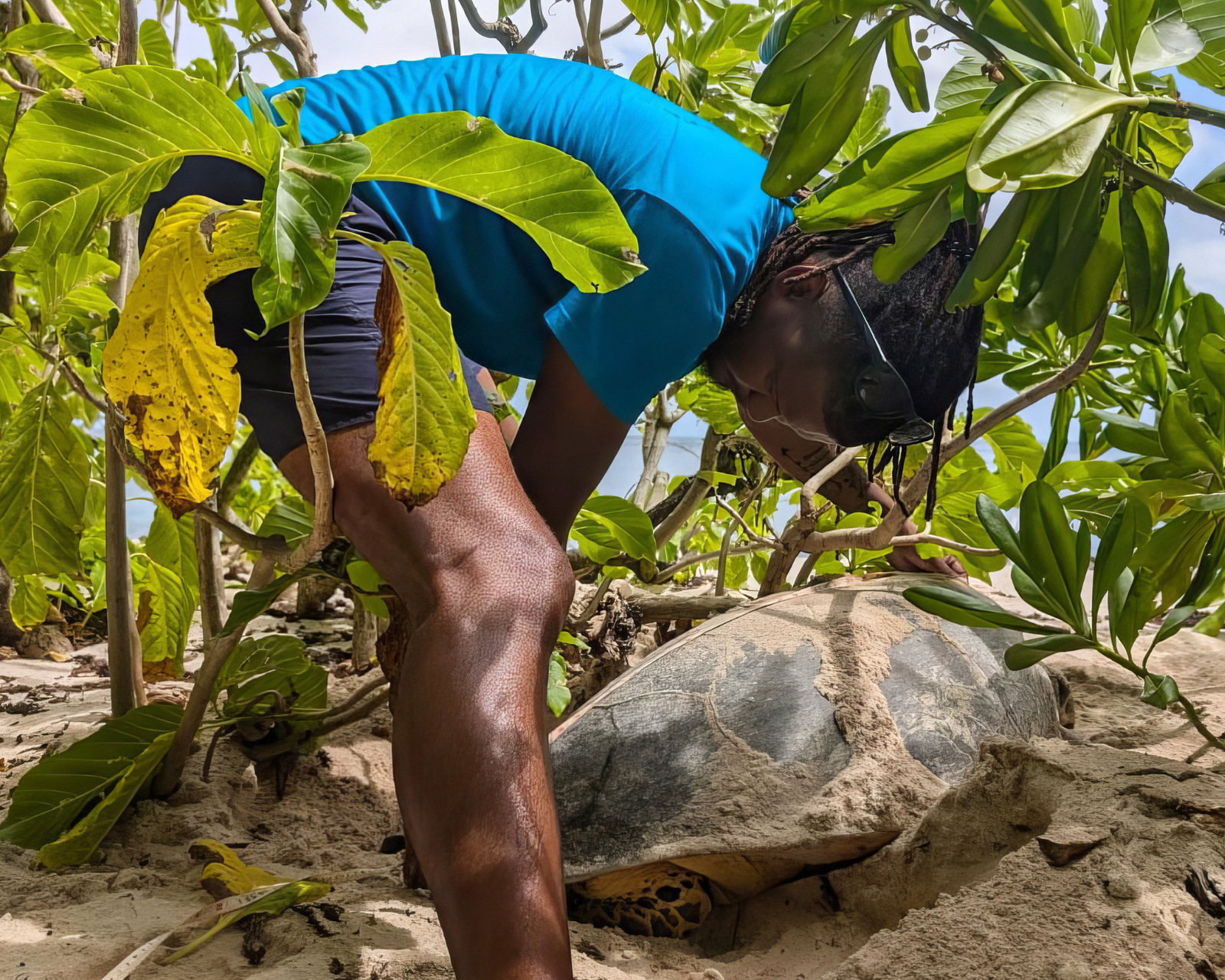
The next cohort will focus on Hawksbill Sea Turtle. Start Sept 2026.
1.

Free for All

Conservation should not be exclusive.

2.

#knitforwildlife

Show your knits.

3.

Gift a knitted story

Make one. Give it away.

4.

Pass it on

Because conservation should travel.

NEXT COHORT OPENS

3RD COHORT

0 days 00 hr 00 min 00 sc
1:1 SESSION PROFILES

MEET THE MENTORS

These were some of the mentors during the 2nd cohort (April - June 2026)

John Doe

CEO, co-founder

At elementum leo a porttitor aliquam amet scelerisque ut condimentum vestibulum parturient scelerisque.

John Doe

CEO, co-founder

At elementum leo a porttitor aliquam amet scelerisque ut condimentum vestibulum parturient scelerisque.

John Doe

CEO, co-founder
At elementum leo a porttitor aliquam amet scelerisque ut condimentum vestibulum parturient scelerisque.

John Doe

CEO, co-founder
At elementum leo a porttitor aliquam amet scelerisque ut condimentum vestibulum parturient scelerisque.

Your Mentors

Pick Chapter

Choose the chapter you want to explore first.

APRIL-JUNE 2026

CURRENT COHORT
Vega world heritage.

Knitters in Residence is a programme where knitting meets conservation. Knitters collaborate with scientists, conservationists, and local communities to translate wildlife challenges into patterns and stories.

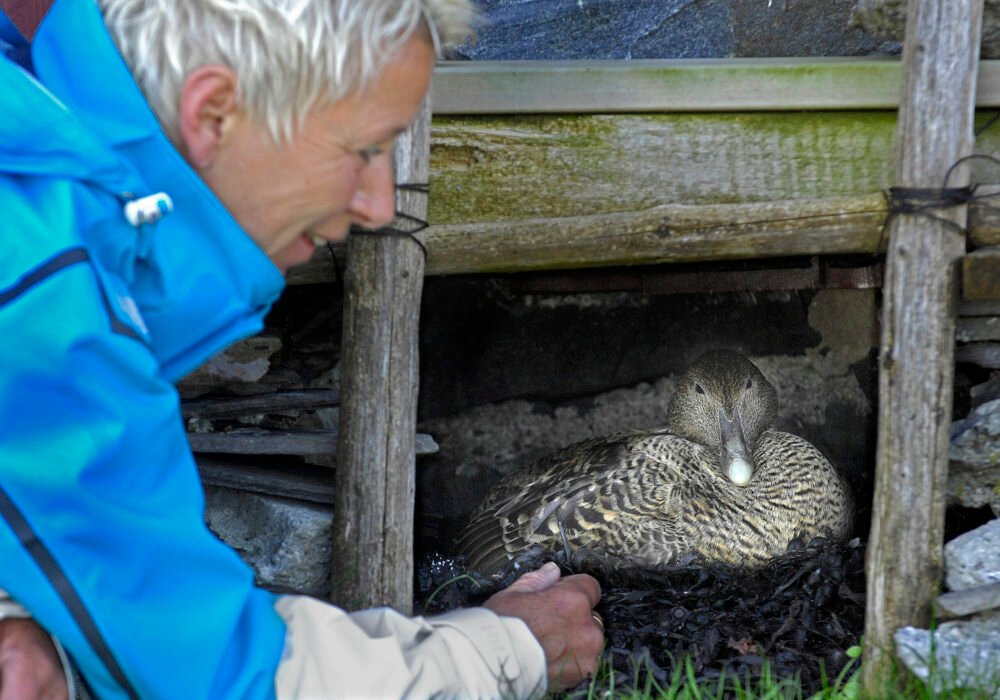
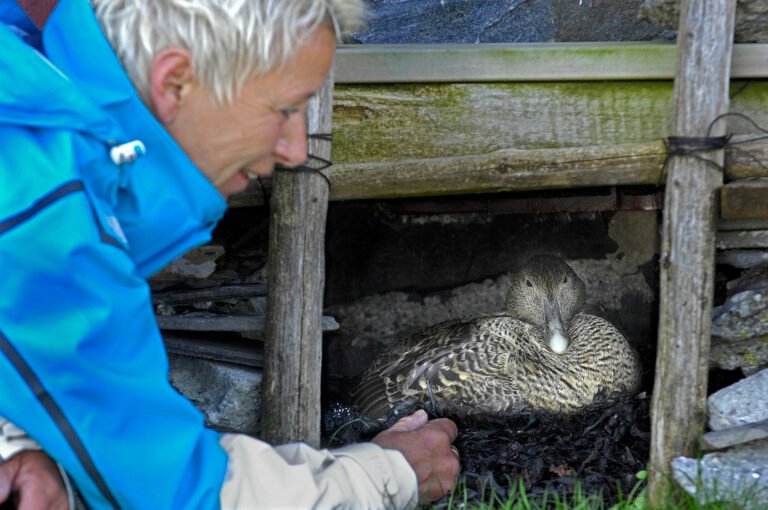
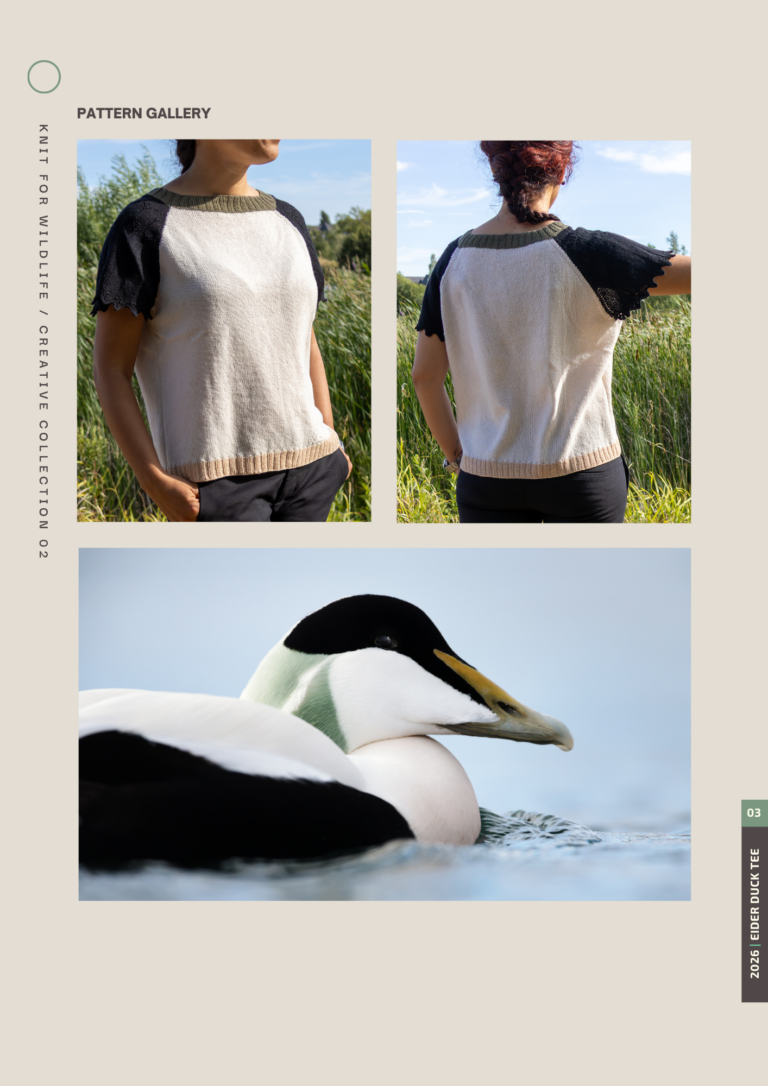
The second Knit for Wildlife residency takes place in Vegaøyan, a UNESCO World Heritage Site shaped by eider bird tending. This cohort focuses on the eider duck and seabird decline driven by climate change, shifting ocean conditions, and human pressure. Central to the project are Vega’s eider tenders, whose stewardship of nests and breeding grounds represents a rare model of long-term human-wildlife coexistence.

Photo: Fredrik Refvem, Stavanger Aftenblad

The Knitters

TH

Collab Partners
Events
Residency Profiles

MEET THE MENTORS- 2nd cohort

These were some of the mentors during the 2nd cohort (April - June 2026)

SEPT-NOV 2026

COHORT 3
Hawksbill Sea Turtle.

Knitters in Residence is a programme where knitting meets conservation. Knitters collaborate with scientists, conservationists, and local communities to translate wildlife challenges into patterns and stories.

The second Knit for Wildlife residency takes place in Vegaøyan, a UNESCO World Heritage Site shaped by eider bird tending. This cohort focuses on the eider duck and seabird decline driven by climate change, shifting ocean conditions, and human pressure. Central to the project are Vega’s eider tenders, whose stewardship of nests and breeding grounds represents a rare model of long-term human-wildlife coexistence.

The Knitters

TH

Collab Partners
Events

3rd cohort

KNITTERS IN RESIDENCE 100%
1

Cause

5

Knitters

90

Days

KNITTERS IN RESIDENCE

Frequently Asked Questions

What makes this residency unique?

Knitters in Residence is the first program where knitting meets wildlife storytelling. It is:

  • Digital-first: Join from anywhere in the world.

  • Collaborative: Knitters, conservationists, and craft experts working together.

  • Impact-driven: Designs shine a light on real species and ecosystems.

  • UN Ocean Decade endorsed: Part of a global initiative for the ocean.

Instead of exhibitions for a few, this residency brings conservation stories into everyday culture; knitting clubs, cafés, Instagram feeds, and limited editions.

Why knitting + wildlife?

Knitting is slow, mindful, and social. It builds resilience, identity, and care; the same qualities needed in conservation. By linking knitting to wildlife:

  • Conservation becomes tangible. You can hold it, wear it, share it.

  • New audiences get involved. People who may never read a research paper will still knit a pattern.

  • Stories travel. Patterns and images live in cafés, homes, and feeds worldwide.


Who can apply?

This residency is open to a wide spectrum of knitters:

  • Experienced designers who want to explore new narratives.

  • Passionate amateurs who care about wildlife and community.

  • Textile artists curious about connecting craft with global causes.

You don’t need to be a professional. What matters is your willingness to experiment, share your process, and contribute a final pattern/piece. Diversity of style and background is welcome, the residency thrives on different voices.

What do residents receive?
  • Portfolio-building: Add a unique project to your CV or creative portfolio, connected to an international, UN-endorsed initiative.

  • Expert mentorship: Learn from voices in textiles, sustainability, storytelling, and conservation.

  • Field context: Access to research, visuals, and stories from whale shark monitoring and coral reef restoration, to seabird decline.

  • Recognition: Your work will be featured as part of the Knit for Wildlife residency collection and credited across publications, exhibitions, and project communications.
  • Visibility: Residents are introduced through "Knit for Wildlife" channels and may be featured in interviews, publications, and project storytelling. Your work will be showcased through "knit for wildlife" and partner networks.

  • Helping wildlife: Simply by participating, your design spotlights a species and case study, bringing it into everyday culture where conservation is rarely visible.

  • Extra opportunities: Selected works may also be featured in limited editions or kits, creating additional visibility and reach.

  • Community: Join a global network of knitters who combine craft and care for the planet.

How does it work?
  • The residency runs digitally over 3 months.

  • Expect 1-2 touchpoints per week (webinars, meetups, e-mail or mentoring) plus time for your own creative process.

  • This is not a 40-hour commitment. It is designed to fit alongside work, studies, and family life.

  • The main goal is that you create one open-access pattern.

  • Results are showcased in a publication.

Timeline
How to apply

Applications open: 1 August 2026

Notifications: by 27 August 2026

Send your application to: hello@knitforwildlife.org

Please include:

  • A short introduction (who you are and where you’re based).

  • Links to your Instagram/website (Ravelry optional).

  • 3-6 images of your knitting or textile work (finished pieces or work-in-progress).

  • A short idea spark (100-150 words) about what you might want to explore.

  • Confirmation of your availability September-November.

Email subject line: “Knit for Wildlife application. 3rd Cohort 2026”

Selection:

  • Small cohort of ~5 residents.

  • Based on knitting quality, story potential, reliability, and diversity of voices.

  • Panel includes OCEANhab and invited mentors.

Your role as a resident
  • Creative ownership: You keep full rights to your work.

  • Shared impact: You agree to release one open-access pattern so others can join in.

  • Flexibility: Attend key sessions (live or recordings) and complete one final pattern/piece.

  • Collaboration: Some works may later be included in kits, exhibitions, or publications as part of "Knit for Wildlife", always with full credit to the designer.

This is about exploration, storytelling, and helping wildlife through knitting.

KNITTERS IN RESIDENCE

Filter through the cohorts and knitters.

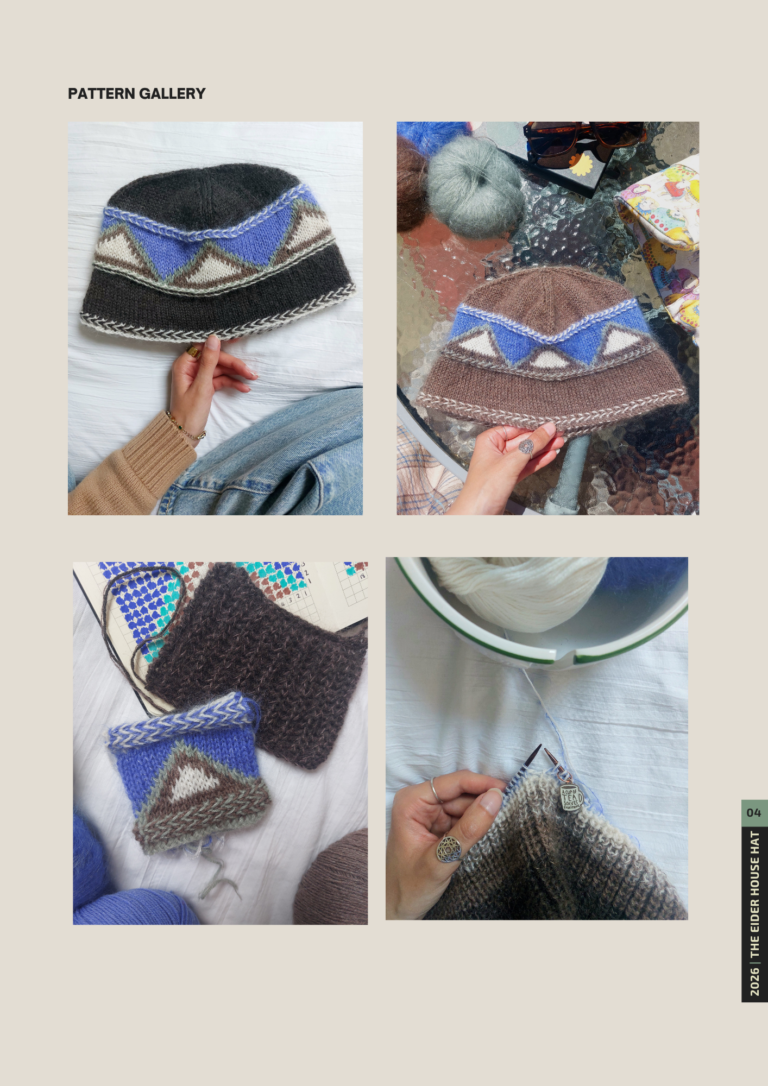
Our beanie is free for all. Designed by Brit Adolfsen.

HFX MITTENS

Inspired by the Lofoten fishermen and the tattooed mantra Hold Fast, the mittens are a cultural remix with a purpose. Pattern for free.